The furnace in a small apartment in Warsaw doesn't care about geopolitical posturing. It doesn’t read the morning briefings or track the Brent Crude futures. It only knows a singular, cold truth: the fuel is getting harder to find. When the pilot light flickers against the backdrop of a continent on edge, the ripples don’t just stay in the basement. They travel through the copper wires of the global economy, screaming into the trading floors of London and New York.
For months, the narrative has been written in blood and black gold. We are told that when the drums of war beat, the energy sector is the only refuge for a panicked portfolio. It is the oldest play in the book. Conflict breaks out, supply lines tighten, and the price at the pump climbs until it draws tears. Naturally, you buy the giants. You buy the companies with the rigs and the tankers.
But something strange is happening in the shadows of the current surge.
While the cost of oil and gas has vaulted toward the ceiling, the stock market is behaving like a fractured mirror. Usually, a rising tide lifts all boats. In this case, some boats are sinking despite the tide, while others—the ones nobody was looking at—are sailing with a terrifying, silent speed. The old logic has developed a leak.
The Cost of the Machine
Consider a man named Elias. He isn't a CEO. He’s a foreman on a rig in the Permian Basin. For Elias, the "surge" in oil prices isn't a headline; it’s a logistical nightmare. Every time the price of a barrel jumps, the cost of the steel he needs for casing jumps with it. The diesel required to run his generators is more expensive. The specialized labor—the hands that know how to keep a high-pressure well from becoming a catastrophe—is demanding a premium that eats the margins alive.
This is the hidden friction of the energy boom. We see the high price of the finished product, but we ignore the soaring cost of the ingredients.
The market is starting to notice that the giants are sweating. For many of the household names in the S&P 500 energy sector, the "war premium" is a double-edged sword. Yes, they are selling their product for more, but they are spending a fortune just to keep the status quo. Their "break-even" point is shifting upward, chasing the very inflation they helped ignite. This is why, during the most recent sell-off sparked by escalating tensions, some of the most prominent energy stocks actually dipped. Investors looked at the balance sheets and saw a house of cards built on expensive sand.
They realized that a high price doesn't always mean high profit. Sometimes, it just means high risk.
The Defiant Ones
In the middle of this chaos, a handful of tickers are holding their ground with a stubbornness that borders on the defiant. They aren't the ones you’d expect. They aren't the massive, integrated conglomerates that own everything from the wellhead to the gas station.
Instead, the winners of this cycle are the lean operators—the companies that locked in their service costs years ago or those that have pivoted to "brownfield" projects. These are the scavengers of the industry. They don't build new, massive, multi-billion dollar platforms in the middle of a war zone. They take existing, half-dead wells and use new technology to squeeze out the last bit of value.
Their overhead is fixed. Their output is predictable. When the price of oil spikes, they don't have to hire 5,000 new engineers at inflated salaries. They just keep the pumps moving.
This is where the human element of investing meets the cold math of the market. The retail investor often buys the story—the "War is happening, buy oil" story. The institutional shark buys the efficiency. They are looking for the companies that can survive a $60 barrel just as easily as they can thrive on a $120 barrel. Resilience is the new growth.
The Psychology of the Sell-Off
Why did the broader market panic? Fear is a physical weight. You can feel it in the way the volume spikes in the final hour of trading. When news broke of renewed strikes in the Middle East, the instinct was to liquidate everything. "Risk-off," they call it. It sounds clinical. It feels like a stampede.
In that moment, the "war-focused sell-off" claimed almost everything in its path. Tech stocks, already weary from interest rate hikes, were the first to go. But then, the selling reached the very sector that was supposed to be the hedge. Energy stocks were sold not because they were failing, but because they were the only things left with any gains to harvest.
It is the great irony of a crisis. You sell your winners to pay for your losers.
Yet, even in that red sea, those "defiant" stocks stayed green. This wasn't an accident. It was an endorsement. It was the market saying: We trust these specific machines to keep turning, regardless of who is drawing lines in the sand.
The Ghost in the Ticker
We often treat the stock market as a scoreboard for a game we aren't playing. But every decimal point movement represents a human decision. It represents a pension fund manager in Chicago trying to protect a teacher’s retirement. It represents a young trader in Singapore trying to prove he’s worth his desk.
The surge in costs isn't just a line on a graph. it’s a pressure cooker. When a company "defies" a sell-off, it’s because the people behind that company have made a series of brutal, quiet decisions over the last five years. They chose not to over-leverage when debt was cheap. They chose to automate when others were bloating their payrolls. They chose boring stability over exciting expansion.
In a world addicted to the "next big thing," we are currently being taught the value of the "same old thing, done better."
The invisible stakes are found in the delta between the price of oil and the cost of extraction. That gap is where wealth is either created or incinerated. Right now, for many of the world’s biggest producers, that gap is narrowing. They are running faster and faster just to stay in the same place.
If you look closely at the companies that didn't flinch when the missiles flew, you’ll find they all share a single trait: they are masters of their own house. They don't rely on the kindness of global supply chains. They own their equipment. They have long-term contracts. They are insulated from the very volatility that is making their product so valuable.
The lesson for anyone watching this isn't about oil. It’s about the vulnerability of complexity. The more complex your operation, the more ways the world can break you. The more moving parts in your engine, the more likely a single grain of sand—or a single drone strike—will grind the whole thing to a halt.
The Echo in the Well
Imagine a board room where the air is thick with the scent of expensive coffee and silent panic. The data shows that while revenue is up 40%, expenses are up 45%. The CEO has to explain to shareholders why the "boom" feels like a "bust." This is the reality for the laggards of the sector. They are the victims of their own scale.
On the other side of town, in a much smaller office, a team of ten people monitors a network of automated sensors across a dozen old fields in Oklahoma. Their revenue is up 40%, but their expenses haven't moved a cent. They aren't just "defying" the sell-off. They are laughing at it.
The market is a blunt instrument, but it eventually finds the truth. The truth right now is that the old ways of playing the energy cycle are dead. You cannot just "buy oil" and expect to win. You have to buy the people who know how to manage the cost of the oil.
We are living through a period where the "cost of doing business" has become the primary business. The war-focused sell-off was a stress test. It filtered out the pretenders who were merely riding the coattails of a commodity price. It left behind the lean, the mean, and the prepared.
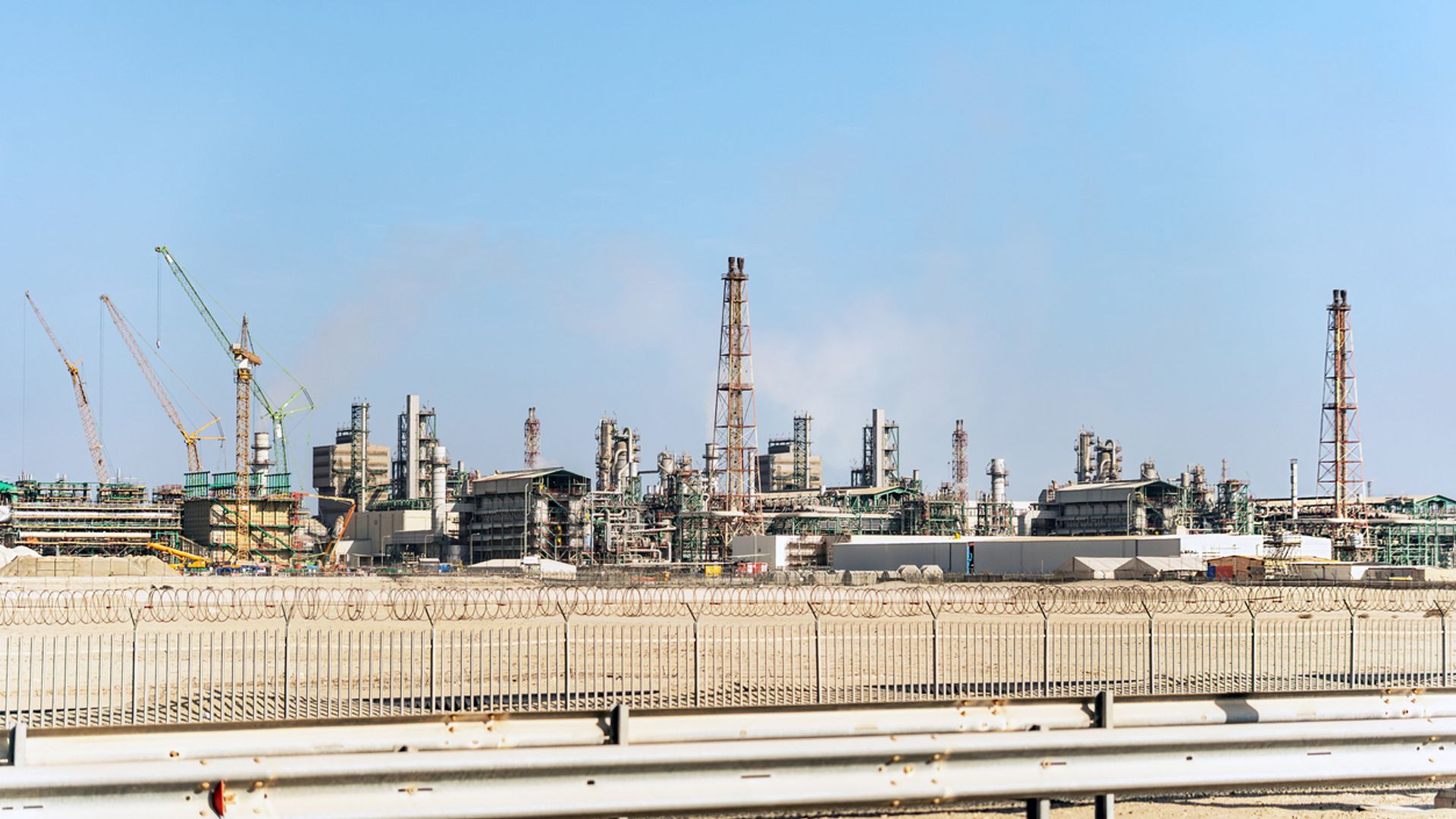
As the sun sets over the refineries of the Gulf Coast, the flares flicker like candles in a cathedral of steel. They are burning off the excess, the waste, the things that aren't needed. The market is doing the same thing. It is burning away the inefficient, the bloated, and the scared.
What remains isn't just a collection of stocks. It’s a map of who will still be standing when the smoke finally clears.
The price of a barrel will eventually fall. The wars will eventually reach an uneasy truce. But the companies that learned how to thrive while the world was on fire—those are the ghosts that will haunt the tickers of the losers for a generation. They didn't just survive the surge. They mastered the friction of a world that has forgotten how to be cheap.
In the end, the most valuable commodity isn't the oil in the ground. It’s the discipline to get it out without losing your soul—or your shirt—to the machine.
The pilot light in Warsaw stays lit. The trade goes through. The world keeps turning, but the hands on the wheel have changed.