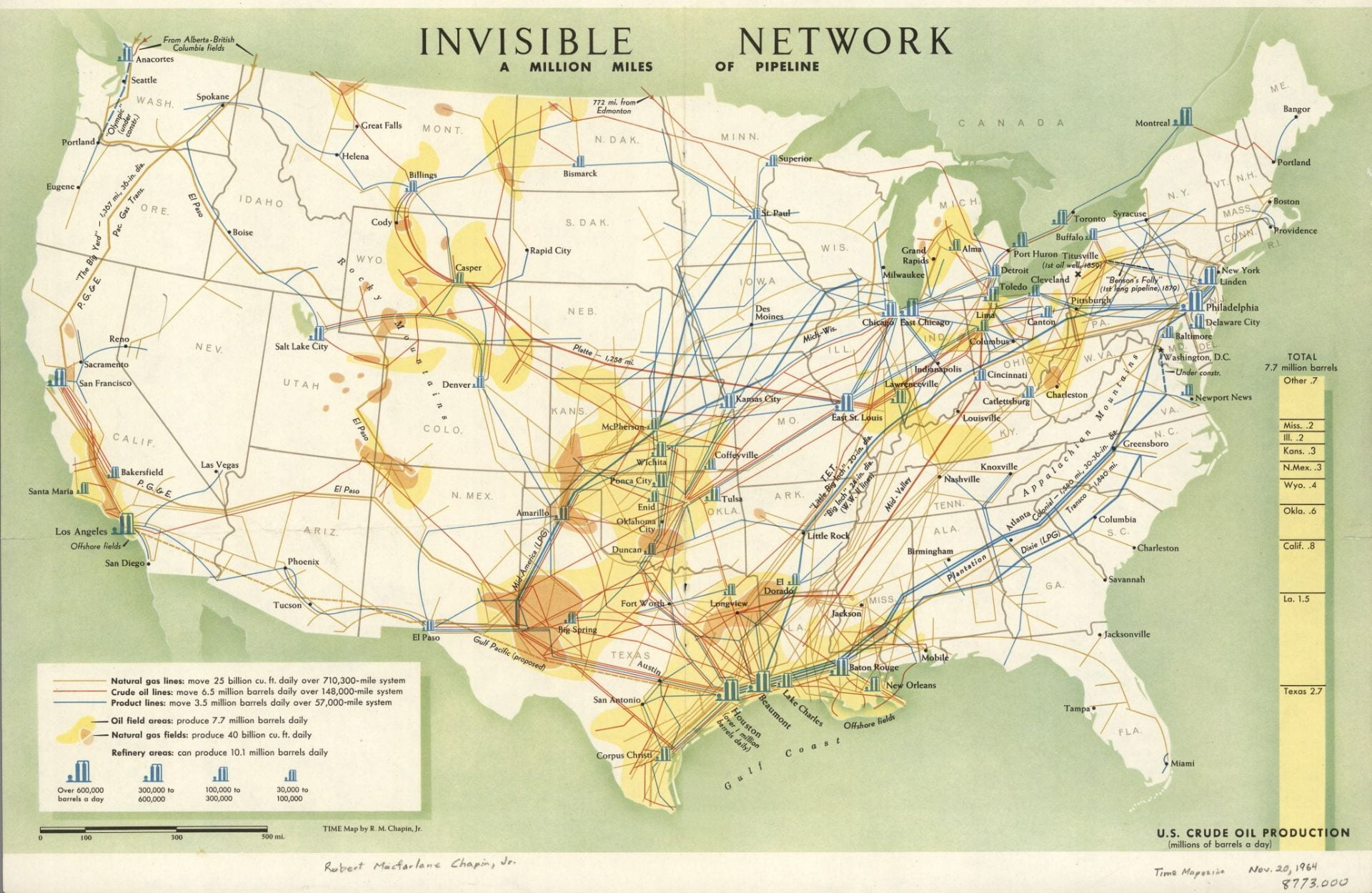
The ground beneath a quiet cul-de-sac in a suburb doesn't usually talk back. But for residents living near the latest experimental "hydrogen clusters," the silence of the earth feels heavy. It is the weight of a multi-billion-dollar bet being placed with their backyards as the chips.
We are told that hydrogen is the savior. The miracle molecule. The clean, green future that will decouple our modern lives from the carbon-choked past. In glossy brochures and high-production corporate advertisements, hydrogen is depicted as a gentle mist, a harmless vapor that powers our world and leaves behind nothing but pure water.
The reality, as any pipefitter or seasoned safety inspector will tell you, is far more temperamental.
Hydrogen is the escape artist of the periodic table. Its atoms are so small they can slip through the molecular structure of solid steel, making it prone to leaks that remain invisible to the naked eye. It burns with a flame that is nearly impossible to see in daylight. If a natural gas leak is a shout, a hydrogen leak is a ghost—present, potent, and hauntingly quiet.
The Architect’s Oversight
Consider a hypothetical engineer named Elias. Elias has spent twenty years maintaining the vast, aging network of natural gas pipelines that crisscross the country. He knows the groan of a pressurized valve and the scent of the odorant added to methane to warn a family that something is wrong.
Now, Elias is being told to prepare those same pipes for a massive influx of hydrogen.
The regulators sitting in glass-walled offices in the capital say the transition will be "blended" and "integrated." They speak in the language of spreadsheets and decarbonization targets. But Elias is looking at the metallurgy. When hydrogen enters high-strength steel pipes at high pressure, it can cause "hydrogen embrittlement."
It’s a slow, structural rot. The metal becomes brittle, losing its ductility until it cracks like a dry twig under tension. To Elias, the regulatory push for rapid expansion isn't just an energy policy; it’s an invitation for a catastrophic failure that hasn't been properly accounted for in the rush to meet a green deadline.
The stakes aren't abstract numbers on a climate report. They are the structural integrity of the energy grid and the physical safety of the people living on top of it.
The Shell Game of "Green" Labels
The skepticism among those who actually watch the regulators isn't born from a hatred of the environment. It’s born from a history of broken promises.
We are currently seeing a gold rush for "Blue Hydrogen." This is hydrogen produced from natural gas, where the carbon emissions are—theoretically—captured and stored underground. It sounds responsible. It sounds like a bridge to a better world.
However, the "capture" part of carbon capture and storage (CCS) has a track record that is, at best, spotty. Many of the flagship CCS projects have either failed to meet their targets or serve primarily as a way to pump more oil out of the ground through enhanced oil recovery.
When regulators grant massive subsidies for these expansions, they are often subsidizing the status quo with a fresh coat of paint. They are asking the public to trust that this time, the technology will work exactly as the marketing department says it will.
But why should we?
The history of energy regulation is littered with "pivotal" moments where the public was told a technology was "too cheap to meter" or "perfectly contained," only to be left holding the bill—and the environmental cleanup—decades later. Trust is earned in inches and lost in miles. Right now, the distance between regulatory assurance and physical reality is a yawning chasm.
A Leak in the Living Room
Let’s move from the industrial pipeline to the kitchen stove.
In some trial projects, gas companies are blending hydrogen into the domestic gas supply. They claim a 20% blend is safe for existing appliances. But hydrogen has a much lower energy density by volume than natural gas. To get the same amount of heat, you have to pump more gas through the system.
This increases the pressure. It changes the way the flame sits on the burner.
For a family living in an older home with vintage brass fittings, this isn't a "seamless transition." It is a chemistry experiment. Hydrogen's wide range of flammability means it ignites much more easily than natural gas. A tiny spark that wouldn't bother a methane leak could turn a hydrogen leak into a flash fire.
The regulators, however, seem focused on the macro-level "synergy" of the energy market. They talk about "market activation" and "infrastructure readiness." They rarely talk about the cost to the homeowner who might have to replace every seal, valve, and burner in their house to accommodate a fuel they never asked for.
The Cost of the Invisible
There is a psychological toll to being a test subject.
When a community is told that a massive hydrogen hub is being built nearby, the first thing they look for is transparency. They want to know the "worst-case scenario" modeling. They want to know how much water will be consumed—since producing "Green Hydrogen" via electrolysis requires immense amounts of purified water.
In drought-prone regions, taking millions of gallons of water to create fuel for export is a bitter pill to swallow. It creates a hierarchy of needs where the industrial "green" machine sits at the top, and the local farmer's well sits at the bottom.
The regulators have, thus far, shown a startling lack of interest in these local friction points. They view the map from 30,000 feet. At that height, you don't see the drying creek or the worried face of a parent reading about embrittlement. You only see the line moving toward "Net Zero."
But the line on a graph cannot keep a house warm, and it cannot guarantee that a pipeline won't fail in the middle of a winter freeze.
The Architecture of Accountability
If we want a hydrogen future, we need an architecture of accountability that doesn't currently exist.
Right now, the oversight looks more like a partnership. The regulators and the utility giants are locked in a dance, moving toward a shared goal of massive capital expenditure. After all, utility companies make their money by building things. The more they build, the more they charge. A massive hydrogen expansion is a guaranteed revenue stream for the next fifty years.
The regulator’s job is supposed to be the friction in that system. They are supposed to be the ones asking the uncomfortable questions.
- What happens when the carbon capture rate hits 60% instead of the promised 95%?
- Who pays for the pipeline upgrades when the steel starts to fail?
- Why are we prioritizing hydrogen for home heating when heat pumps are significantly more efficient?
When these questions are brushed aside as "impediments to progress," we know the system is broken. Progress that requires the suspension of disbelief is not progress; it is a gamble.
The Quiet Room
Imagine a town hall meeting in a small community. The air is thick with the smell of floor wax and old coffee. At the front of the room, a representative from an energy conglomerate points a laser at a slide showing a "Hydrogen Ecosystem."
In the back row sits Sarah. She’s a retired chemistry teacher. She knows that hydrogen is the most abundant element in the universe. She also knows that it is a nightmare to contain. She raises her hand and asks about the leak detection sensors.
The representative smiles. He uses words like "industry-leading" and "robust protocols."
Sarah asks if the sensors can detect a leak at 10 parts per million in a ventilated area.
The representative pauses. He doesn't know. He promises to "circle back" with that information. He never does.
This is where the trust dies. It dies in the "circle back." It dies in the glossy brochure that ignores the laws of thermodynamics. It dies when regulators treat public concern as a PR hurdle rather than a technical requirement.
The hydrogen expansion is moving forward, fueled by billions in taxpayer money and the desperate need for a climate win. But if we build this future on a foundation of half-truths and regulatory capture, we aren't just building a new energy system. We are building a ticking clock.
The earth under our feet should be a place of stability, not a source of quiet anxiety. Until the regulators prove they value the safety of the cul-de-sac as much as the growth of the industry, the silence of the ground will remain a warning.