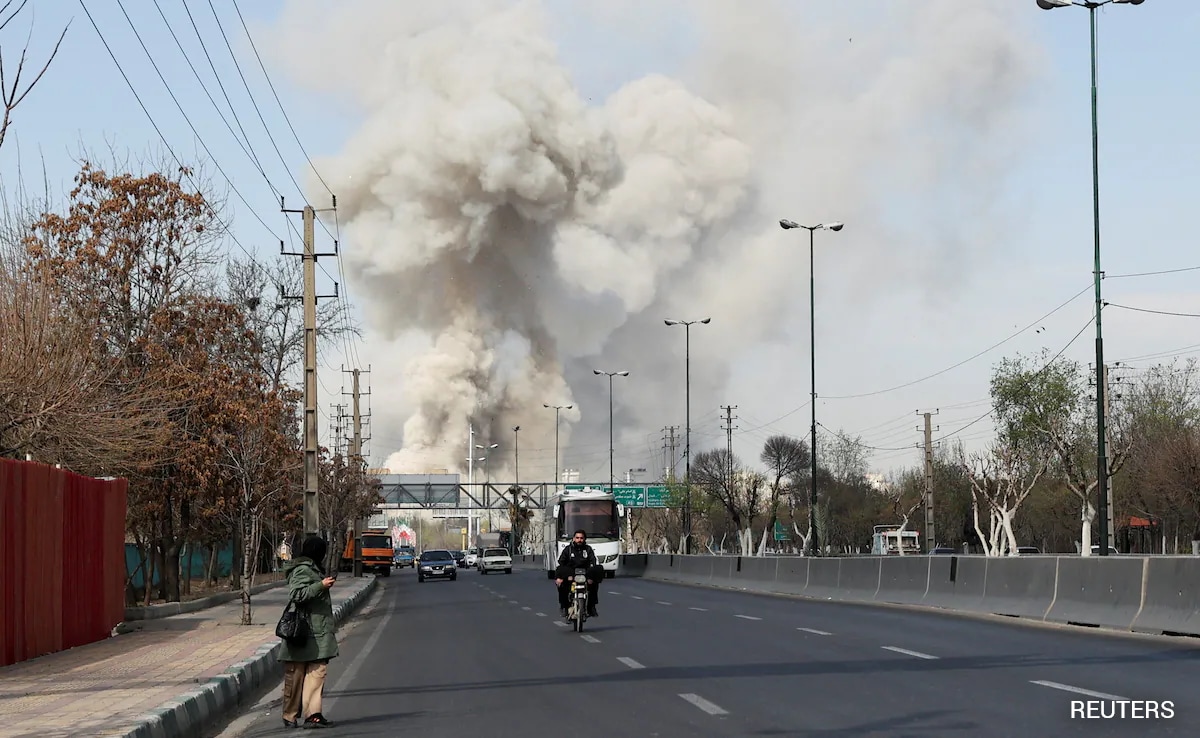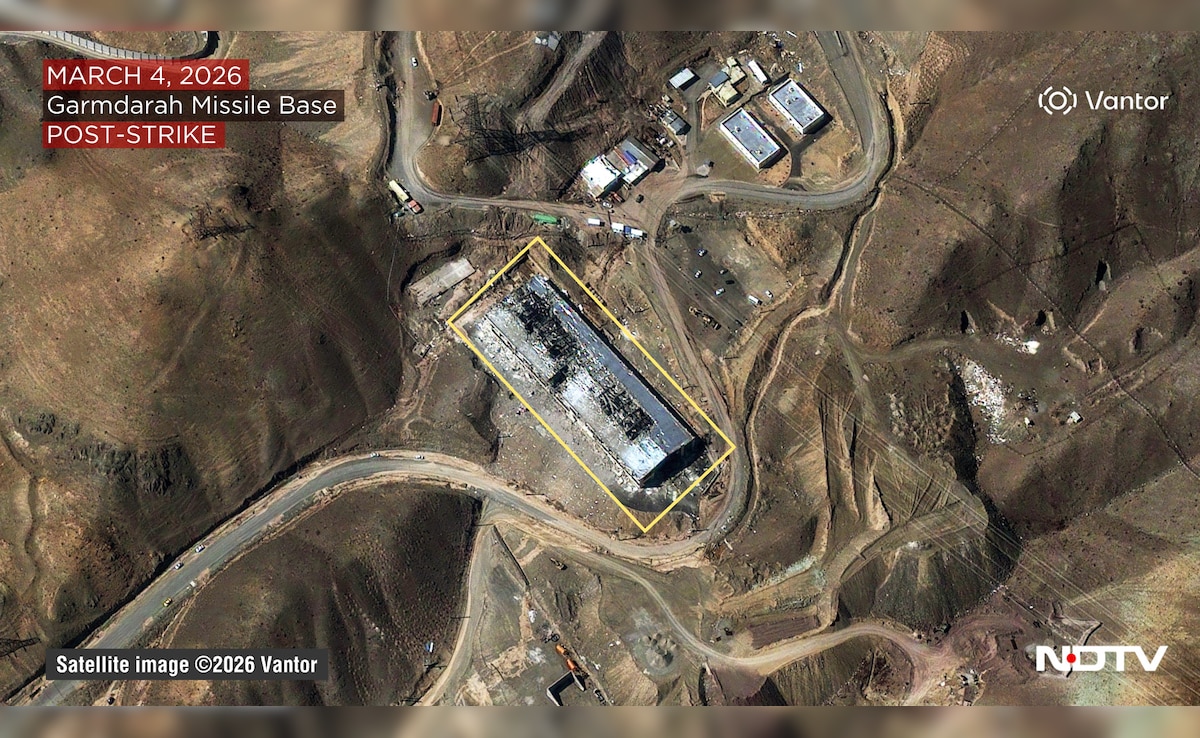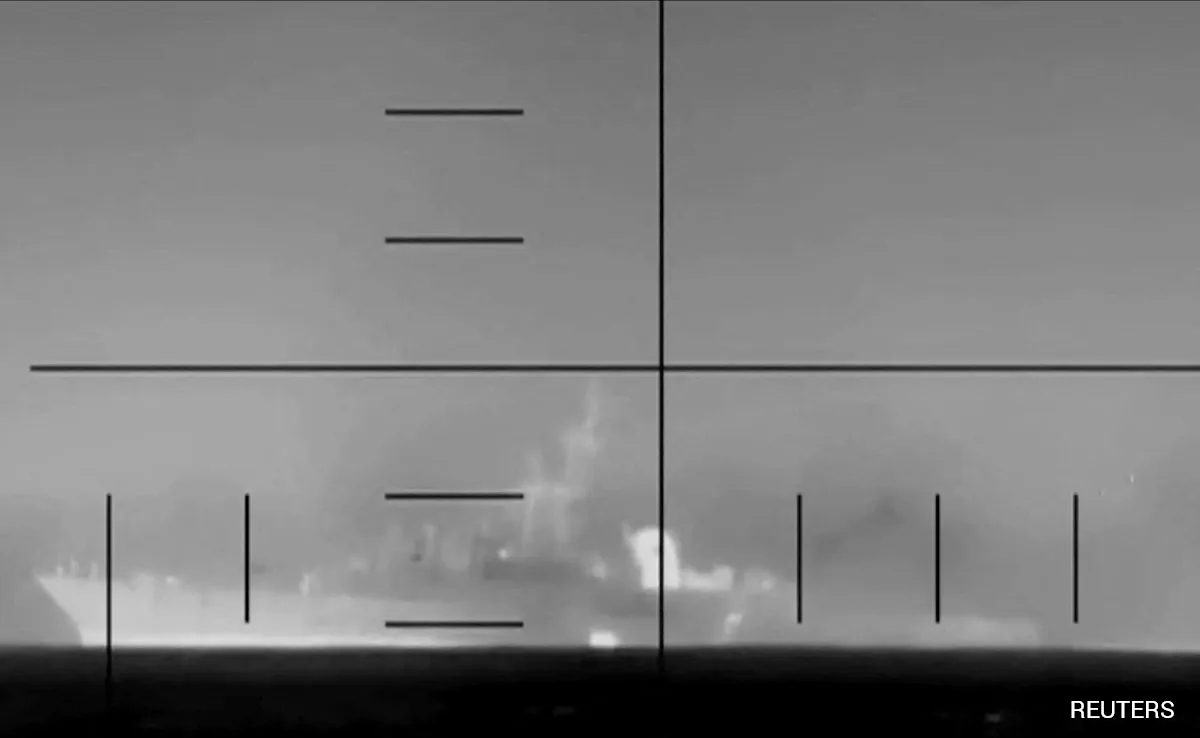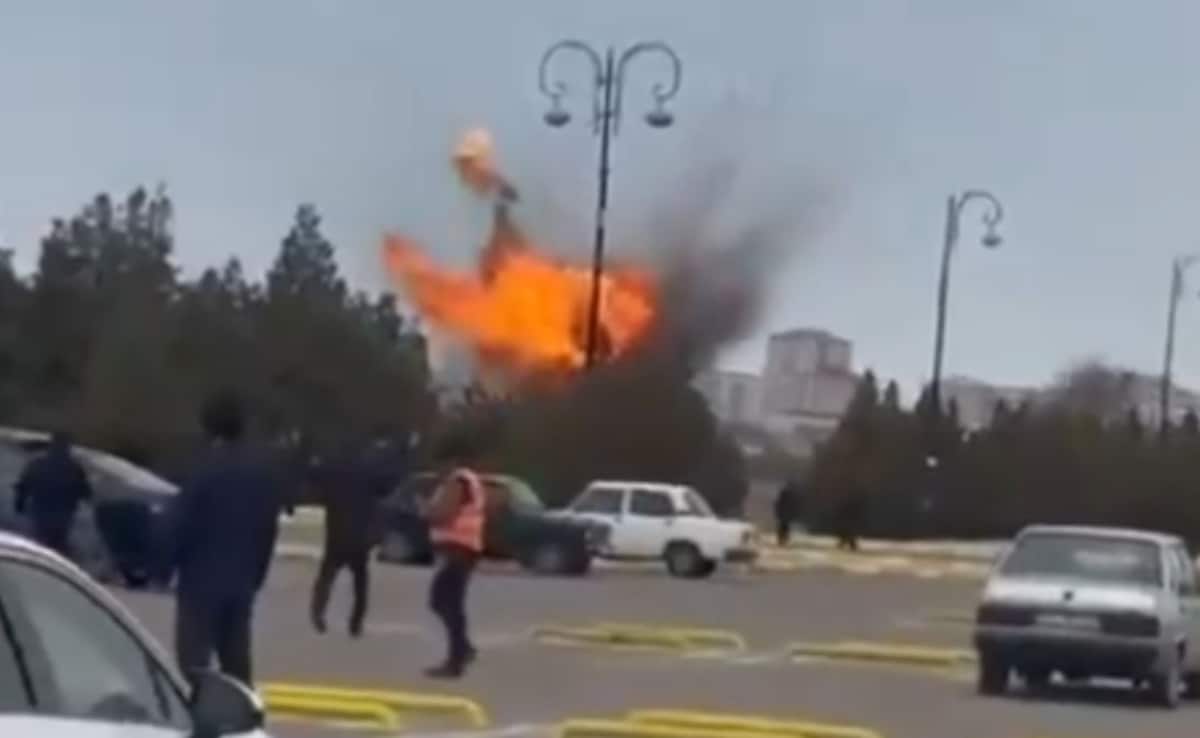
The shadow war between Tehran and Baku has finally moved into the light. While Iran officially denies involvement in the recent precision strikes targeting Azerbaijani infrastructure, the tactical signature suggests a calculated escalation rather than a rogue operation. This is no longer a localized border dispute over transit routes. It is a high-stakes geopolitical collision involving Israeli technology, Turkish expansionism, and an Iranian regime that feels its northwestern flank is being systematically dismantled. Azerbaijan’s vow that these actions will not go unanswered marks a point of no return for South Caucasus stability.
To understand the current hostility, one must look past the immediate denials and the standard diplomatic rhetoric. Tehran is watching the map of its northern neighborhood being rewritten in real-time. Since the 2020 Nagorno-Karabakh war, Baku has not only regained territory but has effectively invited Iran’s greatest regional adversaries to set up shop on its doorstep. For the Iranian leadership, the presence of Israeli intelligence assets and Turkish military advisors in Azerbaijan is an existential threat disguised as a neighborly disagreement.
The Zangezur Corridor and the Death of Iranian Transit
The primary driver of this friction is a strip of land that most Western observers couldn't find on a map. The Zangezur Corridor is a proposed transport route that would connect Azerbaijan to its exclave of Nakhchivan through Armenian territory.
If this corridor becomes a reality under Azerbaijani control, it physically severs Iran’s direct land link to Armenia and, by extension, Russia and Europe. Tehran views this as a "geopolitical blockade." For decades, Iran has used its border with Armenia as a pressure valve and a trade artery. Losing it would leave the Islamic Republic dependent on its rivals for northern trade.
Tehran’s "red line" is the alteration of historical borders in the Caucasus. When Iranian officials talk about the inviolability of these frontiers, they are speaking to Baku, but they are aiming their words at Ankara and Tel Aviv. The recent strikes, whether acknowledged or not, serve as a kinetic warning that Iran is willing to risk a regional conflagration to prevent its total encirclement.
The Israeli Factor and the Intelligence Vacuum
Azerbaijan has become the world’s leading laboratory for Israeli drone technology. This is the detail that keeps generals in Tehran awake at night. Harop loitering munitions and specialized surveillance systems provided by Israel were the decisive factors in Azerbaijan’s victory over Armenian forces.
In exchange for this military hardware, Baku provides something far more valuable to Israel: proximity.
The border between Azerbaijan and Iran is porous and vast. Intelligence circles have long suspected that Azerbaijan serves as a launchpad for Mossad operations inside Iranian territory, including the monitoring of nuclear sites and the extraction of sensitive data. When Baku claims it will respond to Iranian aggression, it isn't just threatening its own limited domestic arsenal. It is signaling a willingness to deepen its cooperation with the very forces Tehran fears most. This creates a cycle of paranoia. Iran strikes to deter Israeli presence; Baku increases Israeli presence to deter Iranian strikes.
The Ethnic Wildcard Inside Iran
There is a domestic dimension to this conflict that rarely makes it into the headlines of international news wires. Roughly 15 to 20 million ethnic Azeris live within Iran’s borders, primarily in the northwest provinces. This population is larger than the entire population of the Republic of Azerbaijan itself.
Tehran has always been wary of "Pan-Turkism." The fear is that a powerful, emboldened Azerbaijan—backed by Turkey—could stir secessionist sentiments among Iran’s Azeri minority. Baku knows this is a sensitive nerve. By adopting a defiant stance and leaning into its alliance with Turkey, Azerbaijan is implicitly reminding Tehran that it has the power to destabilize Iran from within.
The Iranian military drills conducted along the Aras River over the past year were not just practice for a foreign war. They were a show of force directed at its own citizens as much as at the government in Baku. The message was clear: any attempt to challenge the central government’s authority in the northwest will be met with overwhelming iron.
Weaponizing Water and Energy
While the world watches for missile launches, a quieter war is being fought over the Aras River. This waterway is the lifeblood of the region’s agriculture. Iran has accused Azerbaijan of mismanaging water resources and building dams that threaten Iranian food security.
Simultaneously, the energy dynamics are shifting. Azerbaijan is positioning itself as Europe’s alternative to Russian gas. This puts Baku in a position of immense diplomatic strength. Europe is unlikely to pressure Baku over its treatment of Armenia or its standoff with Iran as long as the gas continues to flow westward. This perceived "immunity" emboldens the Aliyev administration to take a harder line against Tehran, knowing that the West’s energy needs provide a formidable shield.
The Failure of Traditional Diplomacy
The OSCE Minsk Group is dead. The Russian peacekeepers in the region are distracted by the ongoing war in Ukraine. This has created a power vacuum that regional players are rushing to fill.
Russia, traditionally the power broker in the Caucasus, has seen its influence wane. While Moscow maintains a military base in Armenia, it has been unable or unwilling to stop Azerbaijan’s territorial gains. This has forced Iran to take a more active, and aggressive, role. Tehran no longer trusts Moscow to protect Iranian interests in the Caucasus. Consequently, the Iranian Revolutionary Guard Corps (IRGC) has taken the lead on the Azerbaijan file, shifting the strategy from diplomacy to "active deterrence."
Precision Strikes and the New Standard of Denial
The "plausible deniability" of the recent attacks is a hallmark of modern hybrid warfare. By using proxies or deniable kinetic assets, a state can signal its capabilities without triggering a full-scale conventional war.
However, the precision of the strikes on Azerbaijani military outposts suggests a level of sophistication that few regional actors possess. Azerbaijan’s refusal to accept Iran’s denials indicates that Baku is prepared to move to the next phase of the conflict. This will likely involve increased "anti-terror" operations within Azerbaijan, aimed at dismantling Iranian-linked networks, and perhaps more frequent intelligence sharing with Western and Israeli agencies.
The risk of a miscalculation is at an all-time high. A single strike that results in significant civilian casualties or hits a sensitive energy pipeline could trigger a mobilization that neither side truly wants but neither side can afford to avoid.
The Turkish Ambition
One cannot analyze this conflict without acknowledging the role of Recep Tayyip Erdoğan. Turkey’s "One Nation, Two States" policy with Azerbaijan is the cornerstone of its Caucasus strategy. Ankara provides the heavy lifting in terms of military training and strategic planning for Baku.
For Turkey, a clear path through the Zangezur Corridor is a gateway to the Caspian Sea and the Turkic republics of Central Asia. It is a vision of a new Silk Road that bypasses Iran entirely. This puts Ankara and Tehran on a collision course. While they maintain a functional relationship in other theaters, like Syria, the Caucasus is becoming a zero-sum game.
Breaking the Cycle
There is no easy exit from this escalation. Azerbaijan is riding a wave of nationalistic fervor and military success. Iran is backed into a corner, feeling the walls of its regional influence closing in.
The international community’s focus on the Middle East often skips over the Caucasus, but the ingredients for a major interstate war are all present. If the Aras River becomes a permanent frontline, the resulting disruption to global energy markets and regional security will dwarf the current localized skirmishes.
The next step for Azerbaijan is likely a significant retaliatory move that targets Iranian "influence centers" rather than territory. This could manifest as cyberattacks on Iranian infrastructure or the further tightening of the noose around Iranian shipping in the Caspian. Tehran, in turn, is likely to increase its military presence in Armenia, effectively turning that country into a buffer state.
The era of quiet competition in the Caucasus has ended. The region has entered a period where the threat of force is the primary tool of negotiation.
Would you like me to analyze the specific types of drone technology being deployed by both sides in the Aras River basin?