The calm over the Al Dhafra air base near Abu Dhabi was shattered this week, not by the routine hum of logistics, but by the afterburners of French Rafale jets engaging in a desperate scramble to secure the skies. For years, the French military presence in the United Arab Emirates was seen as a strategic insurance policy—a quiet deterrent tucked away in the desert. That illusion of peace vanished when a drone, likely launched by Iranian-backed proxies, punched through the perimeter and struck a hangar at a French facility on Sunday.
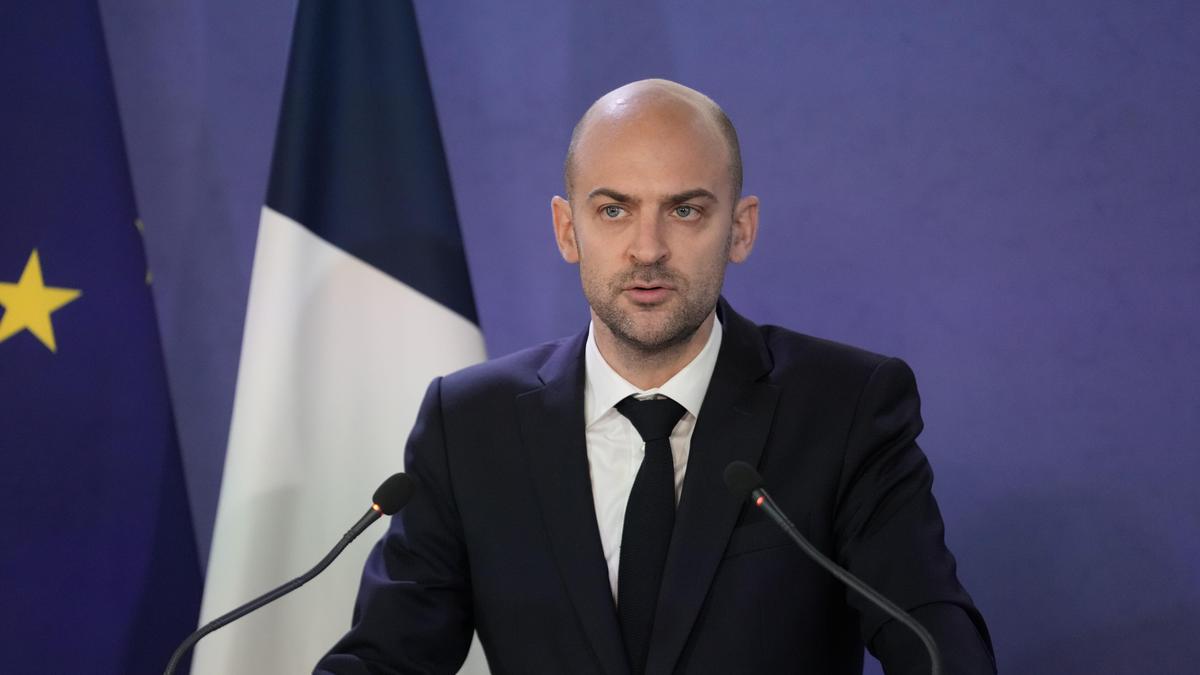
Foreign Minister Jean-Noel Barrot confirmed the deployment on Tuesday, revealing that French pilots are now flying continuous combat air patrols over the UAE to prevent a total collapse of regional security. This is not a drill. It is the reality of a West Asia conflict that has transitioned from proxy skirmishes to direct kinetic engagement between major powers and the Iranian regime. You might also find this similar story insightful: Strategic Asymmetry and the Kinetic Deconstruction of Iranian Integrated Air Defense.
The Mirage of Neutrality
France finds itself in a precarious position. While President Emmanuel Macron has ordered the Charles de Gaulle aircraft carrier to the Mediterranean and dispatched anti-drone systems to Cyprus, the mobilization in the UAE is different. It is personal. With over 900 personnel and a fleet of Rafales stationed at Al Dhafra, Paris is no longer just an observer.
The strike on the French hangar was a message. Even as Barrot cautions against "rushing to conclusions" regarding whether France was the intended target, the tactical reality remains: French sovereign assets are now within the blast radius of a war they did not start. The recent US-Israeli strikes—which reportedly claimed the life of Supreme Leader Ali Khamenei—have turned the entire Gulf into a free-fire zone. Tehran's response has been to target the very infrastructure that keeps the global economy breathing, specifically aiming for US allies and their European protectors. As highlighted in detailed articles by The Washington Post, the effects are widespread.
Chaos at the Data Edge
The war is moving faster than the diplomacy. While diplomats in Paris and Beijing discuss "de-escalation," the hardware on the ground is already failing. It isn't just military hangars at risk. On Monday, Amazon reported that two of its major data centers in the UAE were directly hit by drones. This wasn't just a blow to a tech giant; it was a targeted strike on the digital backbone of the Middle East, disrupting cloud services and halting stock markets in Abu Dhabi.
This shift to "infrastructure warfare" explains why the Rafales are in the air. Their mission isn't just to dogfight; it is to provide a canopy of protection over desalination plants, fuel terminals, and the data hubs that power the modern state. The French Air and Space Force is essentially acting as a high-altitude private security firm for the global supply chain.
The Advanced Deterrence Gamble
Macron’s strategy is evolving into something far more aggressive than the traditional "Gaullist" middle path. By floating the concept of Advanced Deterrence—which could see French nuclear capabilities dispersed across Europe and strategic air units hosted in partner nations—Paris is signaling that the old rules are dead.
In the UAE, this looks like a frantic reinforcement of the "Iron Shield" architecture. The French have moved airborne radars and specialized electronic warfare suites into the theater within the last 48 hours. They are hunting "suicide" drones that fly low and slow, designed to evade traditional missile batteries by blending into the radar clutter of a bustling metropolis like Abu Dhabi or Dubai.
A Coalition of the Concerned
France isn't acting alone, but it is acting with a distinct lack of American coordination. The joint statement from the E3—France, Germany, and the UK—signals a European realization that they must defend their own interests. With 400,000 French nationals living in the region, the stakes are demographic as much as they are economic.
The deployment of the Rafales over the UAE serves three distinct purposes:
- Asset Protection: Ensuring the 700-man UNIFIL contingent and Gulf-based assets aren't decapitated by a single lucky drone strike.
- Political Sovereignty: Proving that France can honor its defense treaties with Qatar, Kuwait, and the UAE without waiting for a green light from Washington.
- Economic Stabilization: Attempting to cool the panic in the energy markets by demonstrating that the Strait of Hormuz will not be closed without a fight.
The Hard Truth of Aerial Defense
Defending the UAE’s vast, flat coastline against swarms of cheap, expendable drones is an asymmetrical nightmare. A single Rafale costs more than the entire fleet of drones it might be sent to intercept. This is the brutal math of modern conflict. While the French jets are technologically superior, they are being forced into a war of attrition against an enemy that values volume over precision.
The hangar hit on Sunday proves the perimeter is porous. The arrival of the Charles de Gaulle and the frantic "exchanges" between military commanders suggest that the current footprint is insufficient. If a drone can hit a French military hangar, it can hit a tanker in the harbor or a residential tower in the city center.
The situation is deteriorating. As the US and Israel continue their campaign to dismantle the IRGC's command structure, the blowback will continue to land on the doorsteps of those trying to maintain the status quo. For the pilots in the cockpits of those Rafales, the mission is no longer about "projection of power." It is about survival.
Keep a close eye on the movement of French naval assets toward the Red Sea. The next phase of this conflict won't be fought in the high atmosphere, but in the narrow shipping lanes where the world's energy is won or lost.
Would you like me to analyze the specific electronic warfare capabilities France is deploying to counter the latest Iranian drone variants?