Lekki Market is not a tourist trap. While casual observers describe it as a quaint hub for African crafts, the reality on the ground in Lagos reveals a complex, high-stakes trade network that functions as a critical node in West Africa’s informal economy. This is where the supply chains of the Sahel meet the liquid capital of the Nigerian middle class. To understand Lekki Market is to understand how artisanal goods move across porous borders, how prices are set in the absence of centralized regulation, and why this specific plot of land remains a powerhouse despite the rapid modernization of the Lagos skyline.
The market operates on a logic that defies traditional retail models. It is a sprawling, multi-layered organism where the transactional is always personal. If you see a Benin bronze or a hand-woven Kente cloth, you are not just looking at a souvenir. You are looking at the end product of a logistical journey that likely involved cross-border couriers, local guild approvals, and a sophisticated credit system that keeps small-scale stalls afloat in a volatile currency environment.
The Logistics of the Authentic
Most accounts of the market focus on the aesthetics of the goods. They talk about the vibrant colors and the skill of the carvers. This misses the mechanical reality of how these items arrive in Lagos. The "craft" at Lekki is actually a massive logistical feat.
Take, for example, the heavy timber furniture and intricate masks. These often originate in the forests of central Africa or the workshops of northern Ghana. Transporting these goods into Nigeria involves navigating a gauntlet of checkpoints, varying regional tariffs, and the physical degradation of roads. The vendors at Lekki are more than just salesmen; they are import-export specialists who manage lean inventories with surgical precision. They do not have the luxury of climate-controlled warehouses. They have a stall, a tarp, and a network of trusted transporters.
This reliance on informal networks creates a price structure that is opaque to the uninitiated. A price isn't just a reflection of the object’s value. It accounts for the "cost of doing business" on the road to Lagos. When a vendor quotes a price, they are factoring in the risk of transit and the fluctuating value of the Naira. It is a real-time calculation of micro-economics performed hundreds of times a day.
The Guild System and Market Governance
Lekki Market survives because it is self-governing. In a city where municipal services can be spotty, the market elders and trade associations provide a level of stability that the state often cannot. This isn't a free-for-all. There is an unspoken hierarchy and a set of rules that govern everything from stall placement to dispute resolution.
If a vendor sells a fake antique as a genuine relic, it isn't just a matter for the buyer. It is a threat to the market’s collective reputation. The "community" aspect often cited in travelogues is actually a rigorous internal regulatory body. They know that their collective power comes from the trust of the high-net-worth individuals and expatriates who frequent the aisles. If that trust breaks, the capital moves elsewhere—likely to the air-conditioned malls of Victoria Island.
The Myth of the Fixed Price
The negotiation process is often framed as a cultural game. It is actually a discovery phase for market data. Because there is no centralized database for the value of a 19th-century-style Igbo mask, the "haggle" is the only way to determine current market demand.
- Initial Quote: Often serves as a litmus test for the buyer's knowledge.
- Counter-offer: Establishes the floor of the transaction.
- Final Handshake: Marks the point where the vendor’s replacement cost meets the buyer’s perceived utility.
This process is efficient. It ensures that goods move quickly, preventing the stagnation of capital in a high-inflation economy.
The Displacement Threat
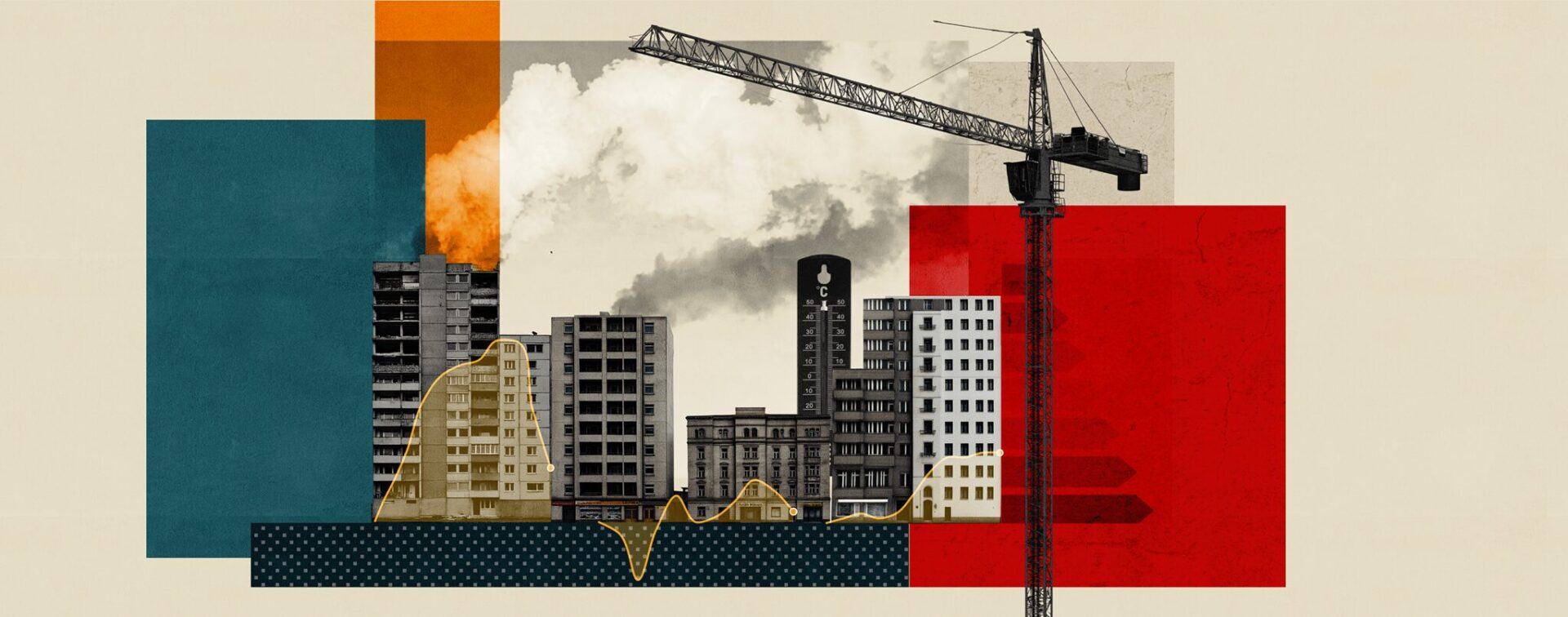
Despite its economic importance, Lekki Market sits on some of the most valuable real estate in Nigeria. The proximity to the Lekki-Epe Expressway and the rising tide of luxury developments puts the market in a precarious position. We have seen this pattern before in global megacities. Urban renewal often views informal markets as "clutter" rather than "infrastructure."
There is a tension here between the organic growth of the market and the sanitized vision of "Lagos 2030." If the market were to be moved or "modernized" into a standard concrete shopping complex, the delicate web of social credit and informal logistics would likely snap. You cannot transplant a decades-old ecosystem into a sterile environment without losing the very connections that make it profitable.
The vendors are aware of this. Many have started diversifying their reach, using social media to find international buyers, effectively turning their small stalls into global showrooms. They are digitizing their presence because they know the physical ground beneath them is no longer a certainty.
Why the Artisanal Model Persists
In an era of mass-produced plastic, Lekki Market offers something that cannot be replicated by a factory in Shenzhen. The value proposition is the direct link to the maker. Even if the vendor didn't carve the statue themselves, they can tell you which village it came from and which family holds the tradition.
This isn't just marketing. It is a form of intellectual property management. The "brand" of Lekki is the authenticity of the West African experience. For the Nigerian diaspora returning home, or for the foreign investor looking for a piece of the continent's soul, the market serves as a physical touchstone. It is a rare space where the traditional and the modern exist in a profitable, if uneasy, truce.
The real story isn't the craft. It is the resilience of the people who have built a multi-million dollar industry out of wood, fabric, and sheer willpower. They have created a world-class trade hub without the help of traditional banks or government subsidies.
If you want to understand the future of African commerce, stop looking at the corporate towers. Look at the way a vendor at Lekki manages a supply chain that spans three countries and four currencies, all from a ten-by-ten foot stall. That is where the real power lies. It is a masterclass in adaptability.
Pay attention to the hands that exchange the money.