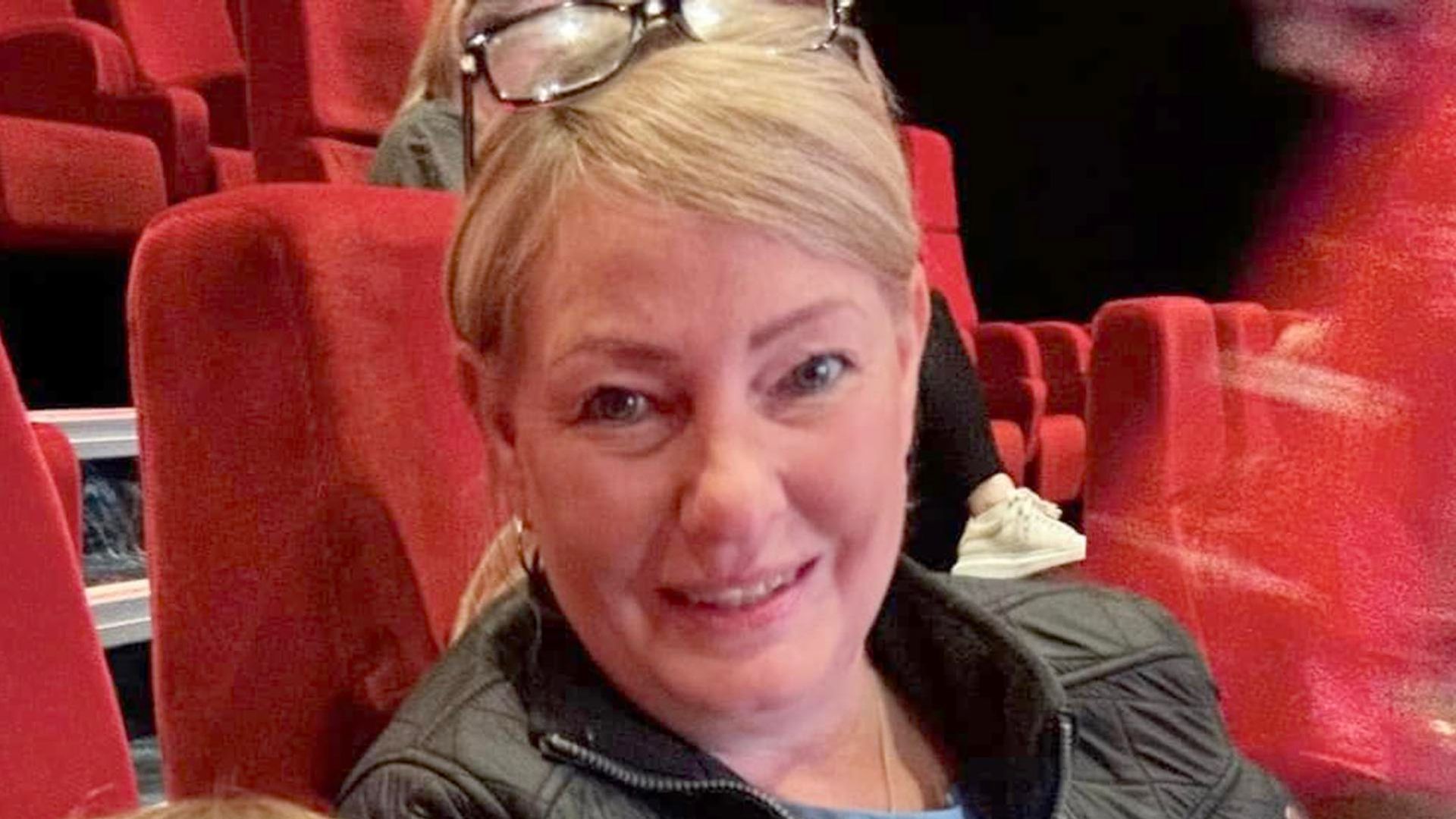
The garden was quiet, the kind of stillness that only settles over a backyard in the late afternoon when the chores are done. For a woman like Pamela Farman, seventy-five years of life had been measured in these moments—the scent of damp earth, the companionship of family, and the simple joy of a holiday abroad. When a small, stray dog reached out and nipped her during a trip to Goa, India, it didn't feel like a brush with the infinite. It felt like a nuisance. A scratch. A tiny, insignificant tear in the fabric of a vacation.
She washed it. She moved on.
But inside the body, biology does not recognize the concept of a "minor" incident. While Pamela returned to her life in the UK, a silent, microscopic traveler was beginning a journey of its own. It didn't rush. It didn't cause a fever or a rash. It simply began to climb.
The Long Walk to the Brain
To understand what happened to Pamela Farman, you have to understand the terrifying patience of the rabies virus. Most viruses are hit-and-run specialists; they flood the bloodstream, trigger an immediate immune response, and make their presence known through coughs and aches. Rabies is different. It is a ghost.
It enters through the muscle tissue, hiding from the white blood cells that would otherwise tear it apart. From there, it seeks out the peripheral nerves. Think of these as the long, thin wires that carry signals from your fingertips to your spine. The virus latches onto these wires and begins to crawl. It moves at a glacial pace—perhaps a few millimeters a day.
This is the "incubation period," a biological purgatory where the victim is perfectly healthy and simultaneously doomed. Because the virus is tucked away inside the nerve sheaths, the immune system doesn't even know it's there. There are no antibodies. No alarms. The person goes to work, hugs their grandchildren, and drinks their tea, entirely unaware that a countdown has started behind their ribs.
In Pamela’s case, that countdown lasted months. By the time she began to feel the first symptoms—the back pain, the strange tingling—the virus had already reached its destination: the central nervous system. Once it touches the spinal cord and ascends to the brain, the window for survival slams shut.
A Failure of Recognition
When Pamela sought help, the medical system saw the symptoms but missed the source. This is the tragedy of rare diseases in a modern world. We are trained to look for the common, the likely, the "horse" rather than the "zebra." Doctors initially suspected a persistent bout of pneumonia or perhaps a standard infection.
The UK has been rabies-free in its domestic animal population for a century. Because of this, the collective memory of the danger has faded. We see a stray dog and think of a creature in need of a home, not a vessel for a prehistoric killer.
As Pamela was moved between hospitals, her condition deteriorated with a frightening, erratic rhythm. Rabies doesn't just attack the body; it hijacks the personality. It targets the limbic system, the part of the brain that governs emotion and basic survival instincts. This is why infected animals become "rabid" or aggressive. In humans, it often manifests as profound anxiety, confusion, and the hallmark symptom that sounds like something out of a gothic horror novel: hydrophobia.
It isn't just a fear of water. It is a violent, involuntary spasm of the throat muscles at the mere sight, sound, or mention of liquids. The body, sensing that swallowing will cause a painful cramp, revolts.
Imagine being parched, your tongue dry and your throat burning, yet your entire physical being recoils in terror from a glass of water. This is the cruelty of the virus. It keeps the host conscious enough to experience the thirst, but physically incapable of quenching it.
The Math of the Golden Hour
An inquest into Pamela’s death eventually laid bare the facts. The scratch happened in Goa. The symptoms appeared months later. The diagnosis came too late.
But the real weight of this story lies in the "what if."
If Pamela had received the rabies vaccine and a shot of immunoglobulin (essentially a concentrated dose of "ready-to-fight" antibodies) within hours of that scratch, she would likely be sitting in her garden today.
Rabies is 100% preventable if treated immediately.
It is nearly 100% fatal once symptoms appear.
There is no middle ground. There is no "waiting to see if it gets worse." In the world of tropical medicine, time isn't just money—it is the very substance of life.
We often treat medical advice for travelers as a suggestion, a list of chores to be ignored if the vacation feels "safe" enough. We stay in nice resorts. We eat at reputable restaurants. We forget that the local wildlife doesn't respect the star rating of a hotel. A stray dog in a bustling market carries the same biological risks regardless of whether you are a local or a tourist with a premium insurance policy.
The Sound of an Empty Chair
The inquest concluded that Pamela died of a "rare but recognized complication" of a dog bite. Those are clinical words. They are dry. They are safe. They don't capture the sound of her daughter’s voice as she described the "vibrant, wonderful" woman who was lost.
They don't explain the confusion of a family watching a loved one disappear into a fog of neurological decay, searching for answers while the doctors scratched their heads.
The lesson here isn't one of fear, but of a specific kind of vigilance. We live in a globalized world where a few hours on a plane can transport us from a sterile, rabies-free environment to a place where the virus is an everyday reality. Our immune systems, however, are not as fast as our jet engines. They need help. They need the "manual" provided by a vaccine.
Consider the reality of a scratch. It is so easy to dismiss. We've all had them. A cat's claw, a rose thorn, a rough play session with a pet. We are conditioned to think that if it doesn't bleed heavily, it isn't a "real" wound.
But the rabies virus doesn't need a gash. It only needs a microscopic breach in the skin. It only needs one successful entry point to begin its slow, silent climb.
When you travel, you carry your world with you. But you also enter theirs. In many parts of the world, the bond between humans and dogs is not one of pampered pets and chew toys; it is a tenuous coexistence with a wilder reality.
Pamela Farman was not a reckless person. She was a grandmother on holiday. She was someone who saw a dog and likely felt a flash of human empathy. That empathy is a beautiful thing, but without the armor of medical precaution, it can be a vulnerability.
The next time you hear about a "dry" inquest or a "standard" medical report, look for the person between the lines. Look for the garden that now sits empty. Look for the infinitesimal moment where a life could have been saved by a single, timely injection.
The virus relies on our tendency to procrastinate. It bets on our belief that we are fine because we feel fine today. It thrives in the gap between the incident and the symptom.
The only way to win is to refuse to play the game of wait-and-see.
In the end, Pamela’s story is a reminder that the most dangerous things in this world don't always arrive with a roar. Sometimes, they arrive with a quiet scratch on a sunny afternoon, hidden in the shadow of a wagging tail.