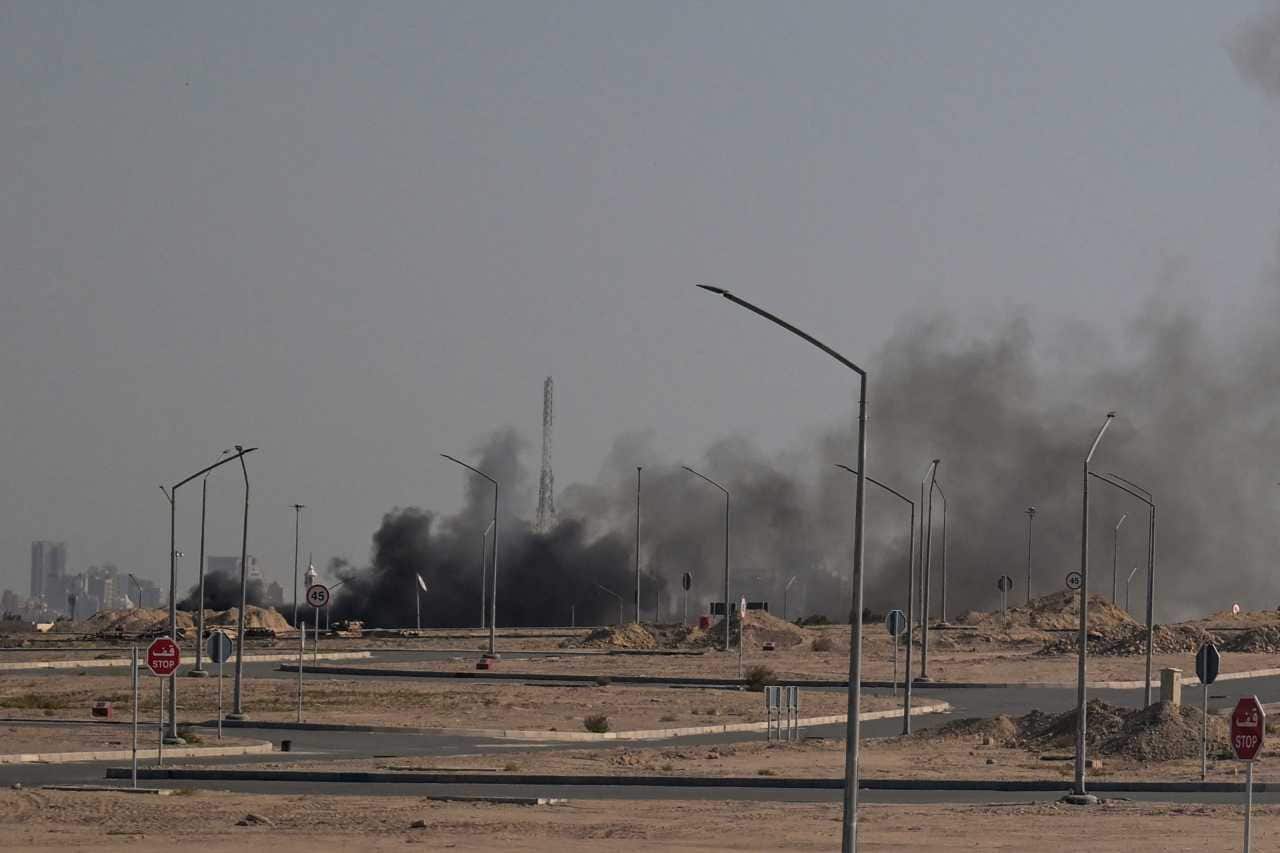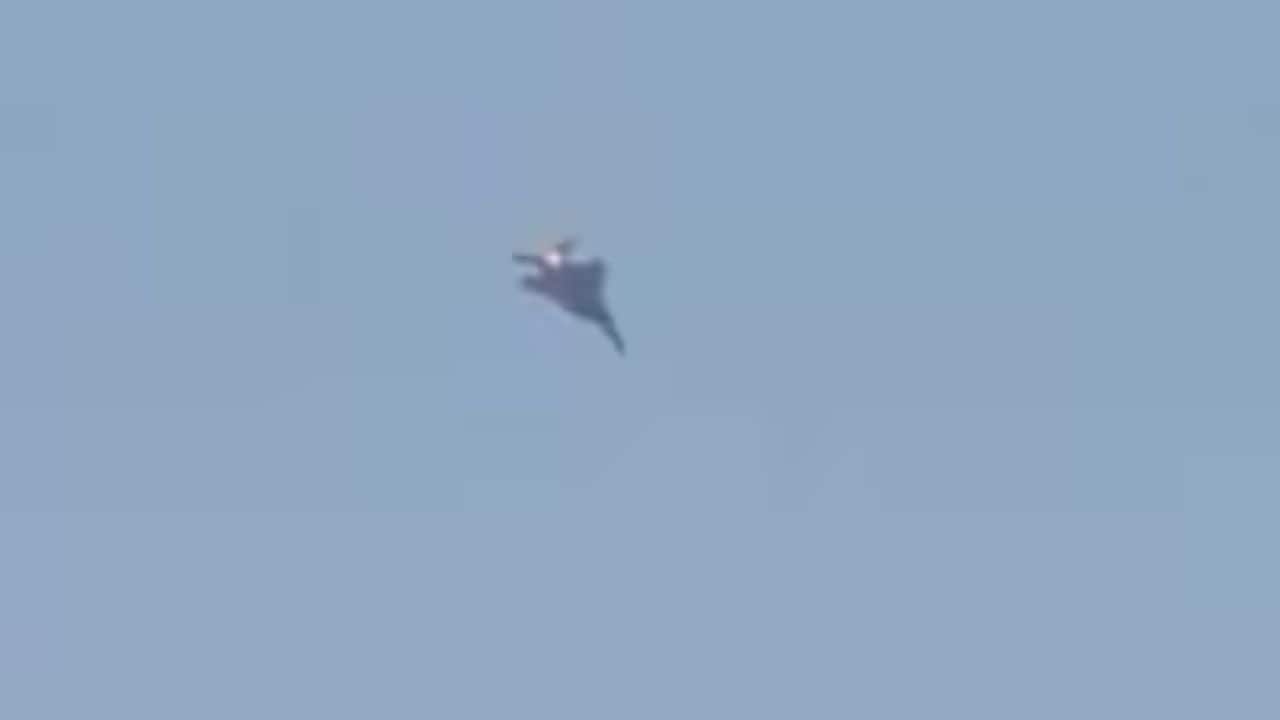
Reports of "several" US military aircraft crashing in Kuwait during the peak of the Iran-Israel escalation are not just a logistical footnote. They represent a mechanical breaking point for a regional strategy that relies on aging hardware pushed beyond its engineered limits. While the pilots are safe, the machines are failing. This is not a story about enemy fire or sabotage. It is a story about the brutal physics of a high-tempo conflict and the crumbling foundation of American power projection in the Middle East.
The Kuwaiti Ministry of Defense and US Central Command have remained tight-lipped about the specific airframes involved. However, sources within the regional logistics hub suggest we are looking at a mix of heavy-lift transport and tactical support craft. These are the workhorses of the 21st-century military, but they are tired.
The High Cost of the Rapid Response
When tensions between Iran and Israel spiked, the US didn't just move people; it moved an entire ecosystem. Kuwait serves as the primary pressure valve for this movement. Every time a carrier strike group maneuvers or a missile battery is repositioned, the logistical strain falls on a fleet of aircraft that has been flying sorties since the Gulf War.
The heat in the Persian Gulf is a silent killer of electronics and hydraulics. When you combine 115-degree temperatures with the fine, invasive sand of the Kuwaiti desert, you create a grinding paste that eats through seals and clogs cooling systems. Modern military aircraft are marvels of engineering, but they are also incredibly fragile. They require a specific ratio of maintenance hours to flight hours. In a crisis, that ratio is the first thing to go.
The Maintenance Deficit
We are seeing the manifestation of a decade of deferred maintenance. The US military has been trying to do more with less for years, betting on the "readiness" of a fleet that is increasingly composed of museum pieces.
- Supply Chain Fragility: Replacing a sensor or a hydraulic pump in Kuwait isn't as simple as ordering a part. The global defense supply chain is backlogged, with lead times for critical components stretching into months.
- Personnel Burnout: The mechanics on the ground are working in 12-hour shifts in gear that wasn't designed for sustained desert operations. Human error becomes an inevitability, not a possibility.
- The "Push" Mentality: In a high-stakes standoff with Iran, "mission capable" ratings are often inflated to meet political requirements. An aircraft that should be grounded for a minor leak is cleared for takeoff because the theater commander needs "eyes in the air."
Beyond the Official Narrative
The official line focuses on the safety of the pilots. While that is a relief, it masks the strategic vacuum left by the loss of these airframes. Losing "several" aircraft in a non-combat environment is a catastrophic failure of readiness. It signals to adversaries that the American military machine is grinding its gears.
If the US cannot maintain its fleet during a period of heightened alert, how can it expect to sustain a full-scale kinetic conflict? The attrition we are seeing in Kuwait is a warning shot. It suggests that the air bridge—the vital link that allows the US to surge forces into the region—is brittle.
The Iran-Israel Factor
The timing of these crashes is not coincidental. The surge in flight hours required to monitor Iranian movements and provide a defensive umbrella for Israel has pushed the Kuwait-based wings to their limit. We aren't just seeing mechanical failure; we are seeing the exhaustion of a system.
The Iranian military, which relies on a mix of indigenous drones and aging Western hardware from the Shah era, is well aware of these vulnerabilities. They don't need to shoot down an American plane if the desert and the operational tempo will do it for them. Every crash in Kuwait is a win for Tehran, achieved without firing a single shot.
The Technological Mirage
There is a prevailing myth that US military superiority is guaranteed by its technology. This is only true if that technology is functional. The crashes in Kuwait reveal a gap between the theoretical capability of the Air Force and the reality on the flight line.
We have invested billions in stealth and precision, but we have neglected the "boring" parts of war: spare parts, grease, and air-conditioned hangars. When a C-130 or a Black Hawk goes down because of a "mechanical issue," it's rarely a single point of failure. It is the culmination of hundreds of small, ignored problems that finally reached a tipping point.
Hypothetical Breakdown of a Crash
Imagine a tactical transport aircraft tasked with moving a Patriot missile battery. It has already flown six sorties in 48 hours. The cooling system is struggling with the humidity. A small seal in the fuel line, already brittle from years of service, finally cracks under the pressure of a high-altitude climb. The engine starves, the pilot makes a forced landing in the scrubland, and another multimillion-dollar asset is written off. This isn't a freak accident. It's a mathematical certainty given the current operational pace.
Strategic Implications of a Shrinking Fleet
Every aircraft lost is an asset that cannot be easily replaced. The production lines for many of these older models are closed or focused on newer, more expensive variants like the F-35, which are even more maintenance-intensive.
- Reduced Deterrence: If the US fleet is seen as unreliable, its deterrent value evaporates.
- Increased Risk to Life: While the pilots in these incidents survived, the next ones might not be so lucky.
- Economic Drain: Replacing these lost aircraft at current defense contract prices will cost taxpayers billions, money that is desperately needed for modernization.
The focus on the "safe pilots" is a classic PR move to pivot away from the more damning reality: the US military is currently fighting a war of attrition against its own logistics. The machines are giving out before the men do.
This isn't just about Kuwait. This is about the sustainability of a global military footprint that assumes hardware is infinite and maintenance is optional. As the standoff between Iran and Israel continues to simmer, the question isn't whether more planes will go down, but how many the US can afford to lose before the bridge finally breaks.
Audit the flight logs. Look at the maintenance schedules. The truth isn't in the press release; it's in the boneyard.