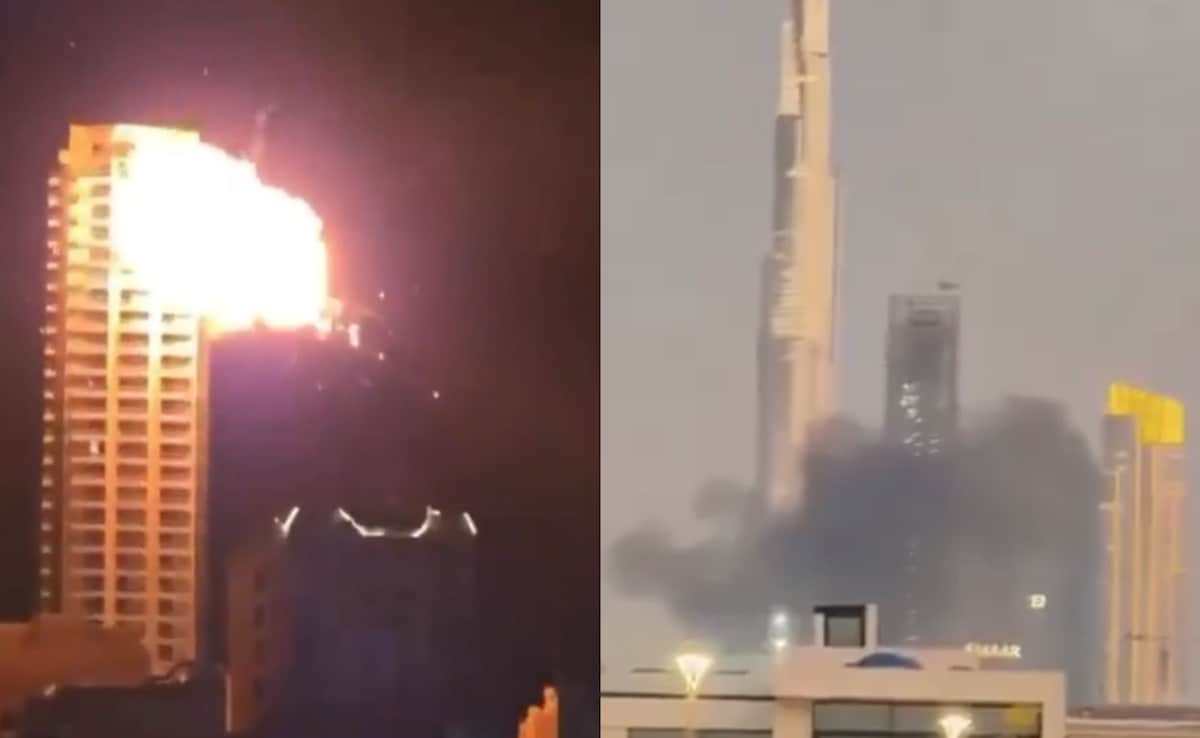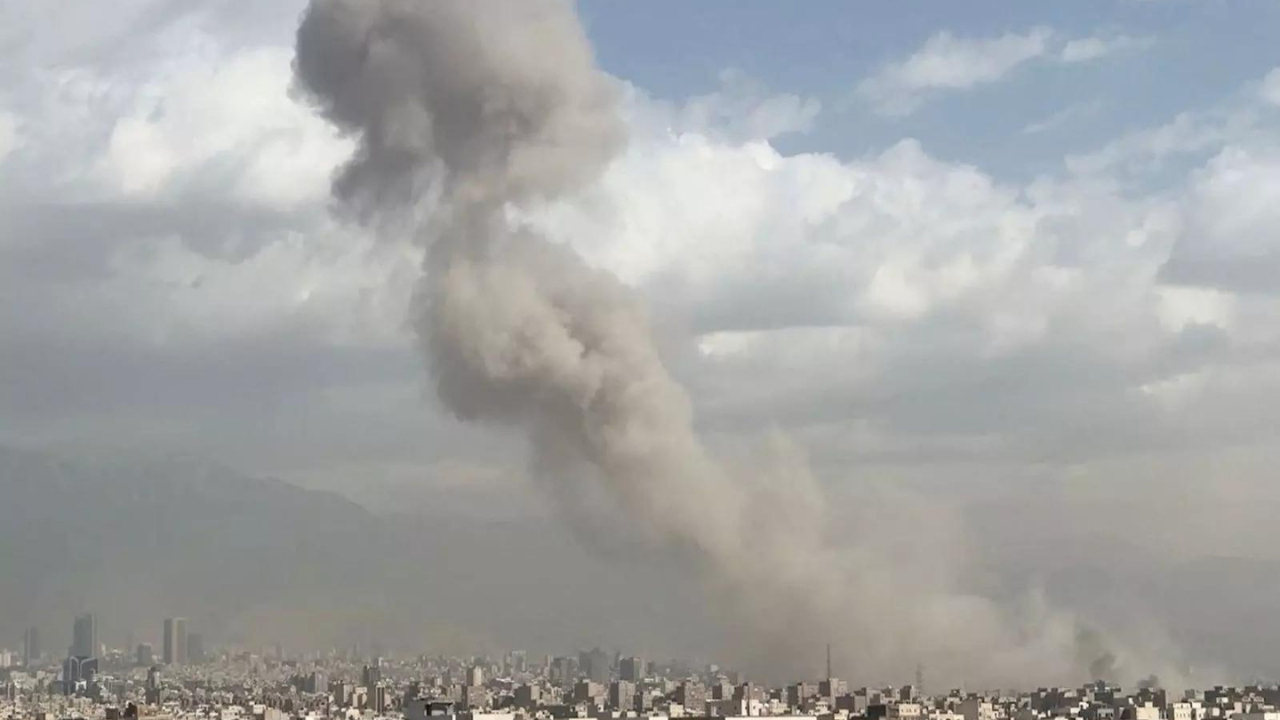
The recent engagement involving 137 missiles and 209 drones over UAE-monitored airspace represents a shift from theoretical deterrence to high-intensity kinetic validation. Beyond the raw numbers, the success of such an operation depends on the Sensor-to-Shooter Loop, a sequence of detection, classification, and neutralization that must function with near-zero latency across a multi-layered defense architecture. Analyzing this event requires moving past superficial casualty reports and focusing on the operational density of the saturation attack versus the efficiency of the interception grid.
The Architecture of Kinetic Neutralization
The effectiveness of a modern air defense system is defined by its ability to manage Target Saturation. When 346 unique threats enter a contested corridor, the primary risk is not just the destructive potential of a single warhead, but the exhaustion of the defense's "magazine depth." For a more detailed analysis into this area, we recommend: this related article.
The UAE’s defense posture relies on a tiered integration of assets:
- Terminal Phase Interception: Utilization of THAAD (Terminal High Altitude Area Defense) for high-velocity ballistic threats. This system targets exo-atmospheric or high-endo-atmospheric threats, utilizing kinetic energy—"hit-to-kill" technology—to eliminate incoming projectiles.
- Point Defense and Medium-Range Coverage: Systems like the MIM-104 Patriot (PAC-3) handle the mid-tier threats. These are critical for intercepting cruise missiles and shorter-range ballistic threats that evade the upper-tier layer.
- Counter-UAS (Unmanned Aerial Systems): The 209 drones mentioned represent a low-cost, high-volume challenge. Intercepting these with multi-million dollar missiles creates an Asymmetric Cost Imbalance. To counter this, successful defense relies on electronic warfare (EW) jamming, directed energy, or short-range cannon systems (such as the Pantsir-S1 or C-RAM) to preserve expensive interceptor stocks.
The Calculus of Interception Probability
In any large-scale aerial engagement, the Interception Probability ($P_i$) is never $1.0$ across all vectors. The reported 100% success rate indicates a highly optimized Engagement Management System (EMS). The logic of this system is governed by the following variables: For further details on this topic, in-depth reporting is available at The Guardian.
- Discrimination Capability: The ability of radar arrays (like the AN/TPY-2) to distinguish between actual warheads, spent booster stages, and intentional decoys.
- Track Capacity: The total number of simultaneous targets the command-and-control (C2) infrastructure can process without software lag.
- Kinetic Footprint: The geographical area a single battery can protect. If the 346 threats were concentrated on a single high-value target (HVT), the density would likely overwhelm the battery's reload cycle. Because they were distributed, the defense was able to leverage its "Look-Shoot-Look" doctrine effectively.
The relationship between threat volume ($V$) and interceptor availability ($I$) creates a Threshold of Penetration. If $V > I$ within a specific time window, the probability of a "leaker"—a missile hitting its target—increases exponentially. The UAE’s performance suggests that their $I$ value remained significantly higher than the incoming $V$, likely through rapid replenishment or high-density deployment of firing units.
Strategic Displacement of Escalation
The transition from 137 missiles to 209 drones highlights a tactical pivot toward Hybrid Salvo Structures. By mixing high-speed ballistic missiles with slow-moving loitering munitions (drones), an adversary attempts to force the defender into a "category error." If the defender uses high-end interceptors on low-end drones, they face a replenishment crisis. If they ignore the drones to focus on missiles, the drones can damage the radar arrays required to guide the missile interceptors.
The UAE’s successful neutralization of both tiers indicates a Disaggregated Defense Strategy. This involves separating the command chains for different threat types so that the "expensive" defense does not cannibalize itself to stop "cheap" threats.
Constraints of the Defense Narrative
While the physical interception of 346 objects is a technical milestone, it introduces two long-term strategic vulnerabilities:
- The Intelligence-Surveillance-Reconnaissance (ISR) Tax: Maintaining "full readiness" requires constant active radar emission. This makes the location of defense batteries a known variable for the adversary, allowing them to map out "dead zones" or signal-shadowed areas for future attempts.
- Political Sustainability of the Intercept Cost: If a drone costs $20,000 to manufacture and the interceptor costs $2,000,000 to fire, the defender is losing the economic war even if they win the kinetic one. The sustainability of this model depends on the UAE's ability to transition toward Directed Energy Weapons (lasers) which offer a "near-zero" cost per shot.
Regional Signaling and the Deterrence Gap
The intercept statistics serve as a high-fidelity signal to regional actors. By demonstrating the ability to handle a triple-digit salvo, the UAE has effectively increased the Cost of Entry for any potential aggressor. To achieve a single successful strike, an adversary would now theoretically need to launch upwards of 500 units to achieve a 1% penetration rate, based on current performance data.
This creates a "Deterrence by Denial" framework. When an opponent realizes their primary offensive tools are effectively neutralized, the strategic value of those tools evaporates. However, this relies on the UAE maintaining its current technological edge. Any stagnation in software updates or sensor calibration would immediately re-open the window of vulnerability.
Operational Pivot to Autonomous Response
The next phase of this conflict won't be fought with manual overrides. The volume of 346 targets exceeds the cognitive load of human operators in a sustained 24-hour window. The UAE’s success implies the heavy use of Automated Engagement Logic, where the system identifies, prioritizes, and fires based on pre-set parameters. The risk here is the "false positive" or the unintended escalation through automated response.
The current geopolitical friction is now defined by the Cycle of Innovation. The adversary will look to reduce the radar cross-section (RCS) of their missiles or utilize "swarming" algorithms that allow drones to communicate and overwhelm specific sectors of the defense grid.
To maintain the current security margin, the strategic focus must shift from "buying more interceptors" to "optimizing the kill-web." This involves integrating satellite-based early warning systems with ground-based kinetic assets to increase the Engagement Window. By detecting a launch at the point of origin rather than at the border, the defense system gains minutes of processing time, which, in ballistic terms, is the difference between a successful intercept and a catastrophic impact.
The UAE must now prioritize the deployment of High-Power Microwave (HPM) systems to handle the drone volume. Using kinetic missiles for 209 drones is an operational inefficiency that cannot be sustained in a multi-week conflict. Transitioning the drone-defense layer to non-kinetic EW and HPM will preserve the Patriot and THAAD inventories for the high-velocity ballistic threats that pose the greatest existential risk to infrastructure and population centers.