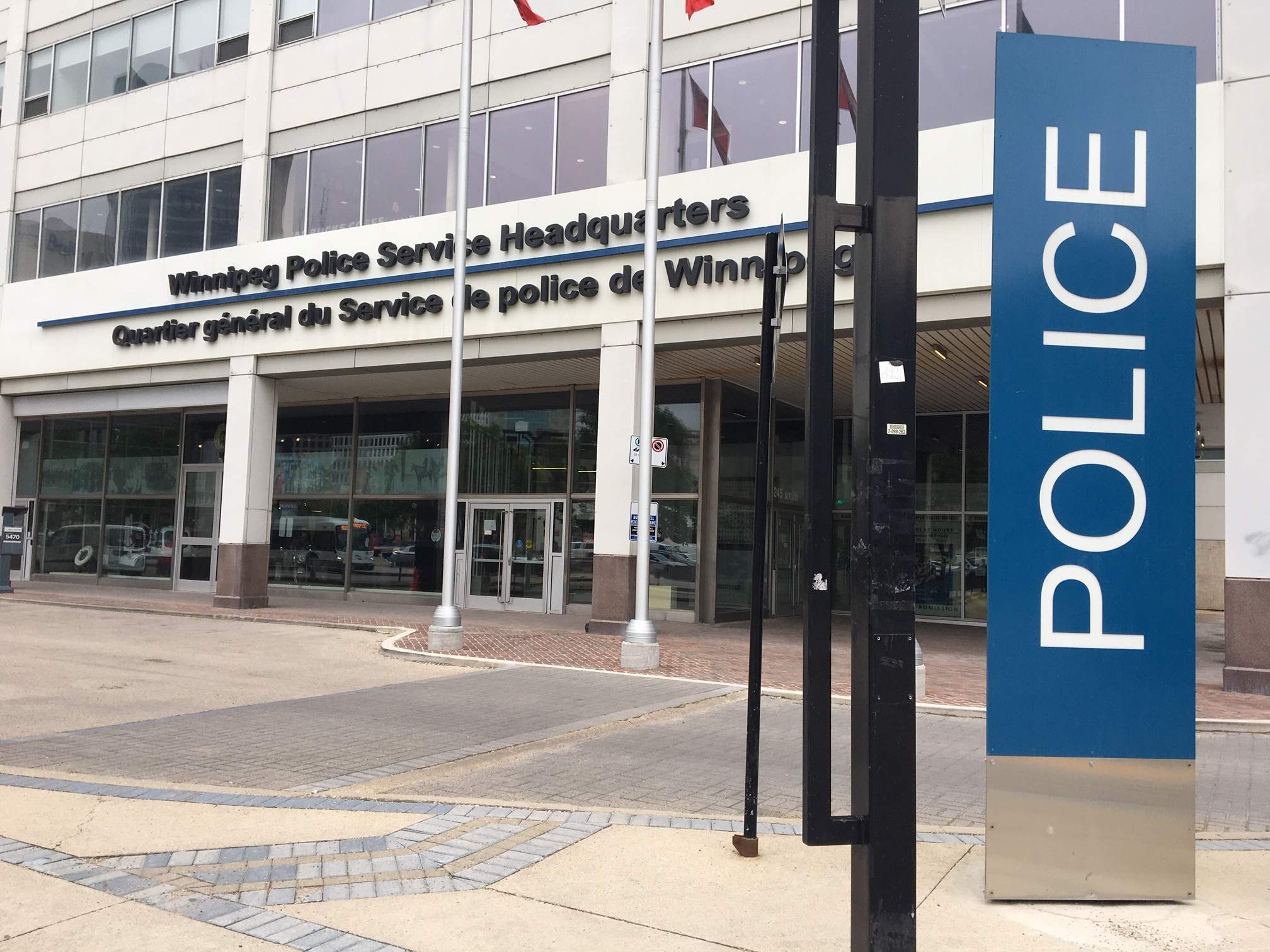
A routine interaction within the walls of a major metropolitan police headquarters should be the safest place in the city. For one man in Winnipeg, it allegedly became the site of a violent encounter that has now triggered a formal investigation by the Independent Investigation Unit (IIU) of Manitoba. The incident, which took place in late 2025, centers on a civilian who claims he was assaulted by a police officer while inside the Winnipeg Police Service (WPS) headquarters at 266 Graham Avenue.
The IIU is tasked with examining the conduct of officers when their actions lead to serious injury or allegations of criminal behavior. In this case, the agency was notified after the complainant came forward with details of an altercation that occurred in a facility supposedly under constant surveillance. This investigation moves beyond a simple "he said, she said" scenario; it probes the efficacy of internal police protocols and the transparency of an oversight body that is often criticized for the time it takes to produce results.
The Geography of Power and the Graham Avenue Incident
The Winnipeg Police Headquarters is a fortress of glass and steel, a repurposed post office designed to project a sense of modern, accessible law enforcement. However, the internal layout remains a maze of public-facing desks and restricted-access corridors. When an allegation of assault surfaces from within this building, it carries a different weight than a street-level confrontation. There are cameras. There are witnesses who are themselves sworn officers.
According to the preliminary reports, the complainant was at the headquarters for a specific purpose—not as a suspect in a high-stakes crime, but as a citizen interacting with the administrative arm of the force. The details of what sparked the physical contact remain under wraps by the IIU to protect the integrity of the investigation. Yet, the core question remains: how does a disagreement in a controlled environment escalate to the point where an independent provincial body must intervene?
Investigations like this often hinge on "use of force" frameworks. Police are legally permitted to use force, but it must be necessary and proportionate. When that force is applied inside their own house, the scrutiny intensifies. The public expects a higher degree of restraint in a setting where backup is mere seconds away and the environment is entirely controlled by the state.
The Independent Investigation Unit Under the Microscope
Manitoba established the IIU to provide a layer of accountability that the police cannot provide for themselves. The unit is led by a civilian director and utilizes a mix of civilian investigators and former police officers. This hybrid model is a frequent point of contention. Critics argue that using former investigators from other forces creates a "blue lens" that might subconsciously favor the officer under investigation. Proponents argue that you need people who understand the technicalities of police work to catch those who abuse it.
The IIU’s mandate is clear. They investigate "serious incidents," which includes deaths, serious injuries, or any matter where it is in the public interest to do so. An assault allegation within a police station usually clears this bar because it strikes at the heart of public trust.
The timeline of these investigations is rarely swift. On average, a complex file can take months or even over a year to reach a conclusion. During this window, the officer involved often remains on active duty or is moved to administrative leave with pay. This delay creates a vacuum of information that the public often fills with skepticism. For the man alleging the assault, the wait for a decision from the IIU director is a period of legal and emotional limbo.
The Surveillance Blind Spots
One might assume that every square inch of a police headquarters is recorded. That is a misconception. While public lobbies and cell blocks are heavily monitored, there are "dead zones" in hallways, private offices, or stairwells where camera coverage is either nonexistent or obstructed.
The investigation will prioritize gathering any available digital evidence. If the assault happened in a public-facing area, the footage will be the primary witness. If it occurred in a secondary corridor, the IIU must rely on forensic evidence and the testimony of other officers who were in the building. This is where the "thin blue line" theory is tested. Investigative history shows that officers are often hesitant to testify against their colleagues, even when internal policies mandate reporting misconduct.
The Legal Threshold for Criminal Charges
It is important to understand that the IIU does not "convict" officers. They investigate and then provide a report to the civilian director. The director then decides if there are "reasonable and probable grounds" to believe a criminal offense was committed. If so, they can lay charges.
The bar for "reasonable and probable grounds" is higher than many people realize. It requires more than just a plausible story from a complainant. It requires corroborating evidence that could stand up in a court of law. In past cases where the IIU declined to lay charges, the justification often cited the officer’s right to defend themselves or a lack of definitive evidence to disprove the officer’s version of events.
This legal reality often leaves complainants feeling gaslit by the system. If a man enters a police station uninjured and leaves with bruises, the public's instinct is to demand immediate accountability. The legal system, however, moves with a cautious, sometimes frustrating, deliberation.
Institutional Culture and the Graham Avenue Legacy
The Winnipeg Police Service has faced a series of public relations challenges over the last decade, ranging from budget disputes to high-profile shootings. An allegation of assault within the headquarters adds a new layer to an already strained relationship with certain segments of the population.
When an incident like this occurs, the internal culture of the force is as much under investigation as the individual officer. Is there an atmosphere that permits aggressive behavior toward civilians who are perceived as "difficult"? Is the training on de-escalation being applied in the headquarters, or is it reserved for the cameras on the street?
The Graham Avenue facility was intended to modernize the force, but modern buildings do not automatically create modern attitudes. The IIU investigation will eventually release a summary of their findings. This summary will likely be the only window the public gets into what actually happened that day.
The Potential Outcomes
There are three primary paths for this investigation. First, the IIU could find no evidence of wrongdoing, effectively clearing the officer. Second, they could find evidence of a policy violation that doesn't reach the level of a crime, handing the file back to the WPS for internal discipline. Third, they could lay criminal charges for assault.
If charges are laid, it sends a message that the walls of the headquarters provide no sanctuary for misconduct. If the file is closed without charges, the IIU must be prepared to explain their reasoning in exhaustive detail to avoid the perception of a cover-up. Transparency is the only currency the IIU has. If they lose that, the entire oversight model in Manitoba collapses.
The complainant in this case is not just an individual seeking justice; he has become a test case for whether the city’s police headquarters is a place of law or a place of unchecked power. Every interview conducted by the IIU investigators and every minute of video footage reviewed carries the weight of that distinction.
Contact a legal representative if you or someone you know has been involved in a similar incident to ensure your rights are protected throughout the investigative process.