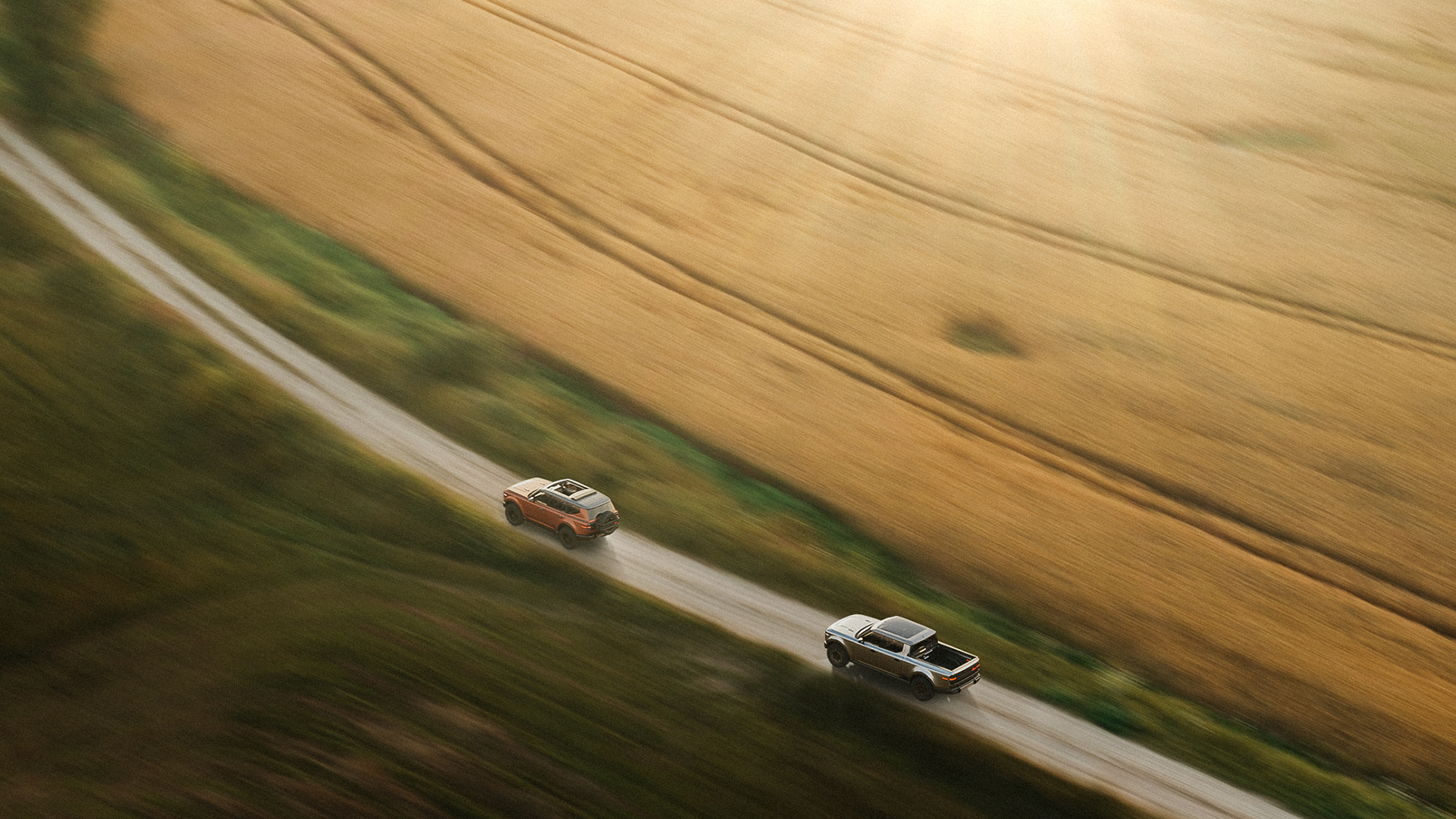
Volkswagen’s multi-billion dollar gamble to resurrect the Scout nameplate is hitting a wall of legal and technical reality that the company’s polished marketing films cannot hide. While the public is being fed a steady diet of "retro-cool" aesthetics and nostalgia for the 1970s International Harvester, the internal machinery of the project is grinding against a trifecta of obstacles: a massive dealer revolt, a software integration nightmare, and a sudden pivot in powertrain strategy that signals a lack of confidence in an all-electric future. The primary issue isn't just a "bumpy road." It is a fundamental conflict between a legacy German giant trying to act like a nimble startup and the established American franchise laws that refuse to let it.
At the heart of the crisis is a high-stakes shell game. Volkswagen Group formed Scout Motors as a separate LLC, claiming it is an independent entity to bypass the strict franchise laws that prevent manufacturers from selling directly to consumers. It worked for Tesla and Rivian. But those companies didn't have existing networks of thousands of dealers who had already invested billions in the parent brand. In March 2026, the friction turned into a firestorm when a class-action lawsuit was filed in Virginia, alleging that Scout is a "fiction" designed to strip local dealers of their right to sell and service the most exciting products in the VW portfolio.
The Shell Company Strategy
The legal challenge argues that because Scout is 100% owned by Volkswagen, it cannot legally claim the "new manufacturer" status used by pure-play EV startups. Dealers aren't just worried about losing sales commissions. They are looking at the 150,000 reservations already on the books—representing billions in potential revenue—and seeing a future where they are relegated to servicing old Tiguans while the lucrative Scout Traveler and Terra trucks are sold through "Scout Studios" owned by the factory.
This isn't a minor disagreement over floor plans. It is an existential threat to the franchise model. If Volkswagen succeeds in treating Scout as a separate "line-make," every legacy automaker will follow suit, spinning off "new" brands for every EV or high-margin specialty vehicle they produce. The courts are now the gatekeepers of the American car-buying experience. If the dealers win, Scout’s entire business model, which relies on direct-to-consumer margins to offset massive development costs, collapses.
The Harvester Pivot
Beyond the courtroom, a technical identity crisis is brewing. Scout was originally pitched as a pure EV brand. However, recent data from the company's own reservation pool reveals a startling truth. Nearly 90% of customers aren't interested in the pure electric version. They want the "Harvester," a range-extended variant that uses a gasoline engine as an onboard generator.
This shift has created a massive engineering bottleneck. Integrating a combustion engine into a platform designed for "zonal" software architecture—the same high-tech systems VW is co-developing with Rivian—is proving more difficult than anticipated. Sources within the industry suggest that the software alliance with Rivian, while promising, is prioritizing Rivian’s own R2 and R3 platforms. This has left Scout leaning back on Cariad, Volkswagen’s internal software unit that has a notorious history of delays and buggy launches.
The result is a looming production delay. While the official line remains a 2027 launch, insiders and German media reports point to a more realistic mid-2028 delivery date for the first customer vehicles.
A Factory in the Crosshairs
In South Carolina, the $2 billion Blythewood facility is rising from the dirt, but its success is tied to a political and economic climate that changed faster than the concrete could dry. The factory was green-lit under the assumption of heavy federal subsidies from the Inflation Reduction Act. With the shifting legislative landscape in 2025 and 2026, those financial cushions are thinning.
Volkswagen is now forced to fund the "Scout Startup" almost entirely through its own balance sheet at a time when its European operations are under intense pressure to cut costs. The company is effectively building a cathedral in the middle of a hurricane.
The Technical Debt of Nostalgia
Scout is betting that "tactile" buttons and "rugged" body-on-frame construction will win over Americans who are tired of "rolling iPads." It is a smart play for the market, but an expensive one for the manufacturer.
- Mechanical Complexity: Adding a range-extender means managing heat, exhaust, and fuel systems in a space originally optimized for batteries.
- Weight Penalties: The Terra pickup is targeting a 10,000-pound towing capacity, but the added weight of the Harvester system threatens to eat into payload and efficiency.
- Software Friction: Merging the Rivian-sourced electronics with the physical hardware of a range-extended truck is causing "validation" delays that could push the project past its window of relevance.
The irony is that the very things making the Scout attractive to buyers—the gasoline backup and the physical switches—are the things making it nearly impossible to build on the original timeline.
The Margin Problem
Direct sales were supposed to be the "cheat code" for profitability. By cutting out the dealer, Scout intended to keep 10% to 15% more of the vehicle's sticker price. But that math only works if you don't spend that same money on legal fees, independent service networks, and the logistical nightmare of home delivery.
If Scout is forced by the courts to sell through the existing VW dealer network, the price of the Traveler and Terra will likely have to rise. A truck that was promised to start "under $60,000" could easily drift into the $75,000 range once dealer markups and franchise costs are baked in. At that price point, the "everyman's rugged SUV" becomes just another luxury toy for the 1%.
Volkswagen’s Scout experiment is a test case for the entire industry. It is a battle between the old world of protected franchises and the new world of centralized, digital-first commerce. Right now, the old world is winning. The factory in South Carolina may be filling with robots, but unless Volkswagen can settle its war with its own dealers and solve the "Harvester" software puzzle, those robots will be building trucks for a market that has already moved on.
The boldest move in automotive history is currently paralyzed by the very legacy it tried to leave behind.