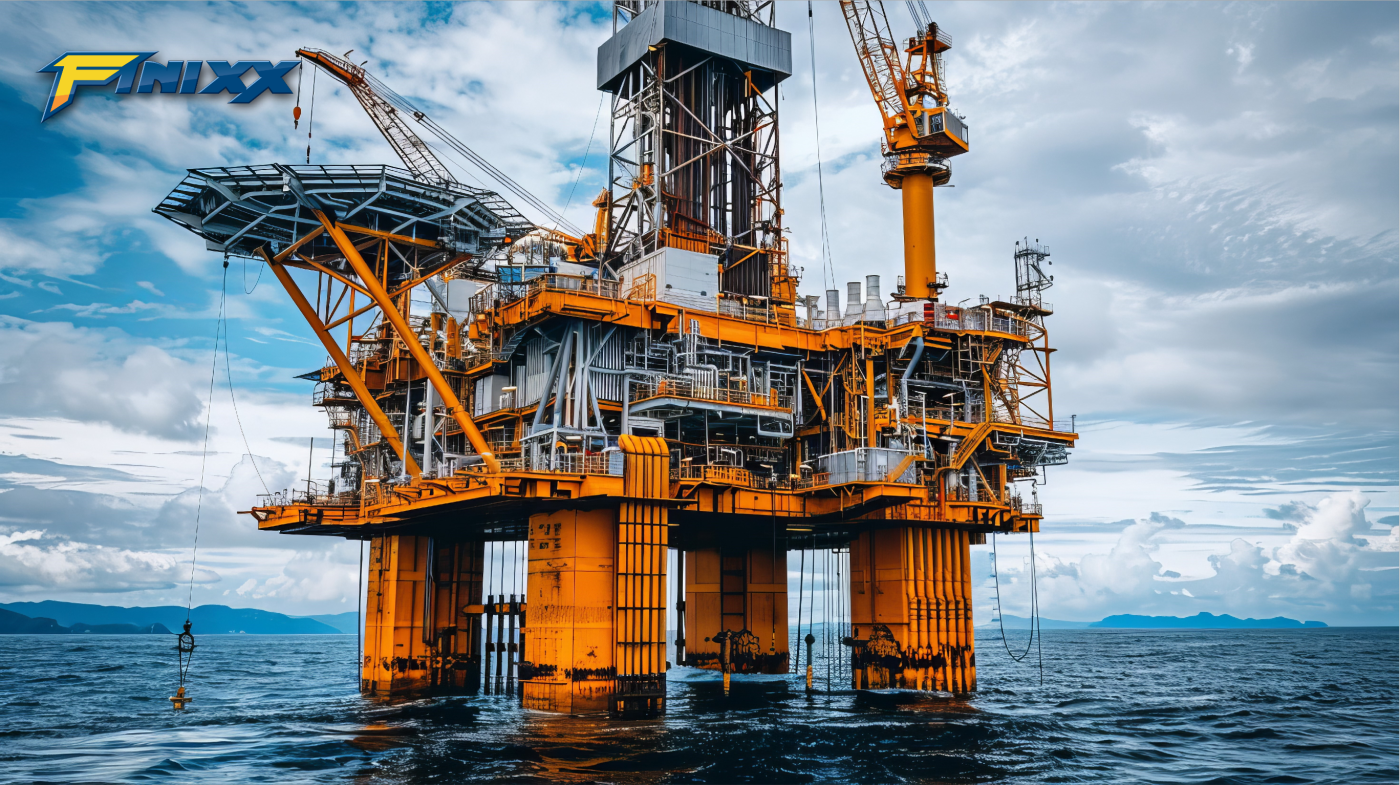
The strategic calculus of the Persian Gulf changed fundamentally last night. Following two weeks of escalating kinetic exchanges between Washington, Jerusalem, and Tehran, President Donald Trump confirmed that U.S. Central Command (CENTCOM) executed what he termed a "total obliteration" of military assets on Kharg Island. This five-mile strip of coral and industry is the heartbeat of the Iranian economy, facilitating roughly 90% of the country’s crude exports. By choosing to strike the anti-aircraft batteries and radar installations while leaving the loading jetties intact, the White House has moved from a policy of containment to one of direct economic blackmail.
This operation was not merely a tactical strike. It was a live-fire ultimatum. By stripping the island of its defensive umbrella, the U.S. has left Iran’s primary source of sovereign wealth completely exposed. The message is clear: the oil flows on American terms, or it doesn’t flow at all.
The Decency Gambit and the Strait of Hormuz
Trump’s framing of the strike as a choice of "decency" masks a colder, more pragmatic reality. Wiping out the oil infrastructure on Kharg would not just bankrupt Tehran; it would send global oil markets into a vertical climb that few Western economies are prepared to handle. Crude prices have already breached the $120 per barrel mark, and analysts at Chatham House suggest a total shutdown of Kharg could propel that figure toward $150 or higher.
The current bottleneck is the Strait of Hormuz. Iran has effectively shuttered the waterway, a chokepoint through which 20% of the world’s liquefied natural gas (LNG) and a quarter of its seaborne oil must pass.
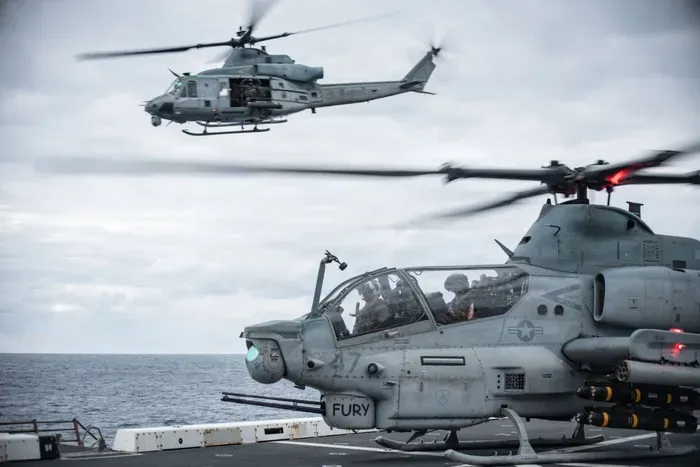
By neutralizing the military presence on Kharg, the U.S. is preparing the ground for "Operation Epic Fury," a planned naval escort program intended to force the Strait back open. The Pentagon has already mobilized 2,500 Marines and an amphibious assault ship to the region. This is the largest reinforcement of forces since the conflict ignited on February 28.
The Silent Death of the Iranian Navy
While the headlines focus on the spectacular explosions over Kharg, the more significant development is the systematic erasure of Iran’s conventional maritime capabilities. The President’s assertion that the Iranian Navy "is gone" appears to be more than just characteristic hyperbole. Intelligence reports indicate that the Islamic Republic of Iran Navy (IRIN) and the IRGC’s "mosquito fleet" of fast-attack craft have suffered catastrophic losses over the last 96 hours.
Without a surface fleet to contest the Gulf, Tehran is falling back on asymmetrical desperation.
- Sea Mines: Reports from the region suggest Iran has begun a widespread mining campaign in the shipping lanes.
- Drone Swarms: Despite the depletion of their primary airbases, mobile drone launchers continue to harass shipping and regional energy hubs.
- Cyber Sabotage: Iranian state-sponsored actors are reportedly attempting to infiltrate the SCADA systems of Gulf State desalination plants.
The vulnerability of Kharg Island highlights a massive strategic failure for the new Supreme Leader, Mojtaba Khamenei. The "Axis of Resistance" has found itself unable to protect its own economic center of gravity.
Why Kharg Matters More Than Tehran
Kharg Island functions as a massive, immobile aircraft carrier for oil. It sits 30 kilometers off the Iranian coast, connected by subsea pipelines. If those pipelines are severed or the pumps on the T-head and Sea Island jetties are destroyed, Iran’s ability to fund its regional proxies evaporates instantly.
The U.S. strategy appears to be a tiered escalation.
- Phase One: Destroy air defenses (Completed).
- Phase Two: Establish naval dominance and begin escorts (In progress).
- Phase Three: Targeted strikes on pumping stations if the blockade persists (The "Decency" threat).
The $200 Barrel Shadow
The markets are currently pricing in a long war. Even with the International Energy Agency (IEA) ordering a record-breaking release of 400 million barrels from emergency reserves, the sheer volume of the disruption—roughly 1.6 million barrels per day from Iran alone, plus the blocked flows from Saudi Arabia, Kuwait, and the UAE—is unprecedented.
We are witnessing the largest supply disruption in the history of the oil markets. The previous record, set during the 1973 oil embargo, pale in comparison to a potential total closure of the Persian Gulf. For the American consumer, the pain is already arriving at the pump, with national averages climbing to levels not seen in years. If the "decency" expires and the infrastructure on Kharg is leveled, $4 or $5 per gallon gas will seem like a bargain.
The Decapitation Strategy
This isn't just a war about oil or shipping lanes. The concentration of strikes on Kharg, coupled with the "most powerful bombing raid" described by Trump, points toward a broader objective of regime collapse. While the U.S. officially maintains its goal is to prevent nuclear proliferation and ensure maritime safety, the intensity of the targeting suggests a desire to break the IRGC's grip on the country.
Internal reports from Iran indicate a regime in the midst of a legitimacy crisis. The December protests were the largest since 1979, and the current military failures are only deepening the rift between the population and the aging clerical leadership.
The U.S. has placed $10 million bounties on senior Iranian officials, including Mojtaba Khamenei. This is not the behavior of a nation looking for a diplomatic off-ramp. It is the behavior of a superpower looking to finish a forty-year-old fight.
The coming week will be the most critical. If the U.S. Navy begins its escort missions through the Strait of Hormuz, we will see if Iran’s remaining coastal missile batteries have the teeth to bite back. If they don't, Kharg Island will remain a "crown jewel" that belongs to the Iranian people only in name, while the U.S. holds the keys to the vault.
The blockade remains. The Marines are landing. The decency is fading.
Would you like me to track the real-time fluctuations of Brent Crude or the movement of the USS Abraham Lincoln carrier group?