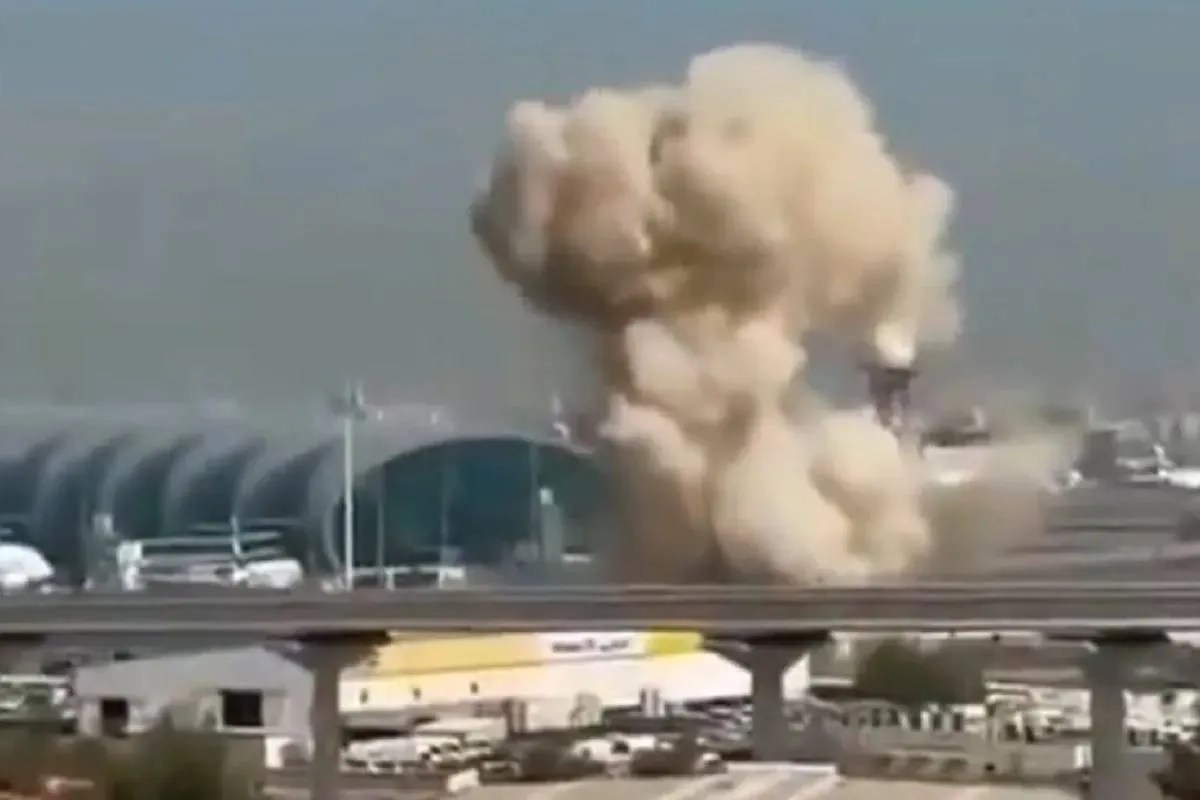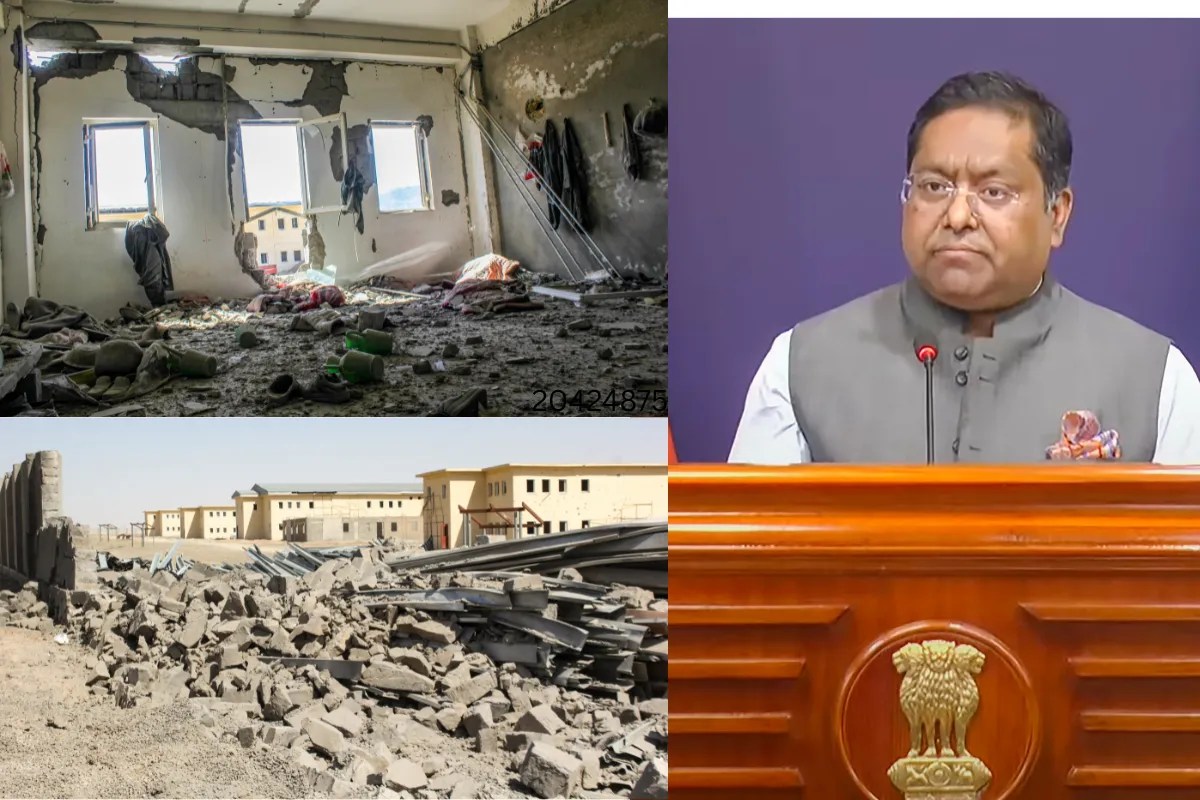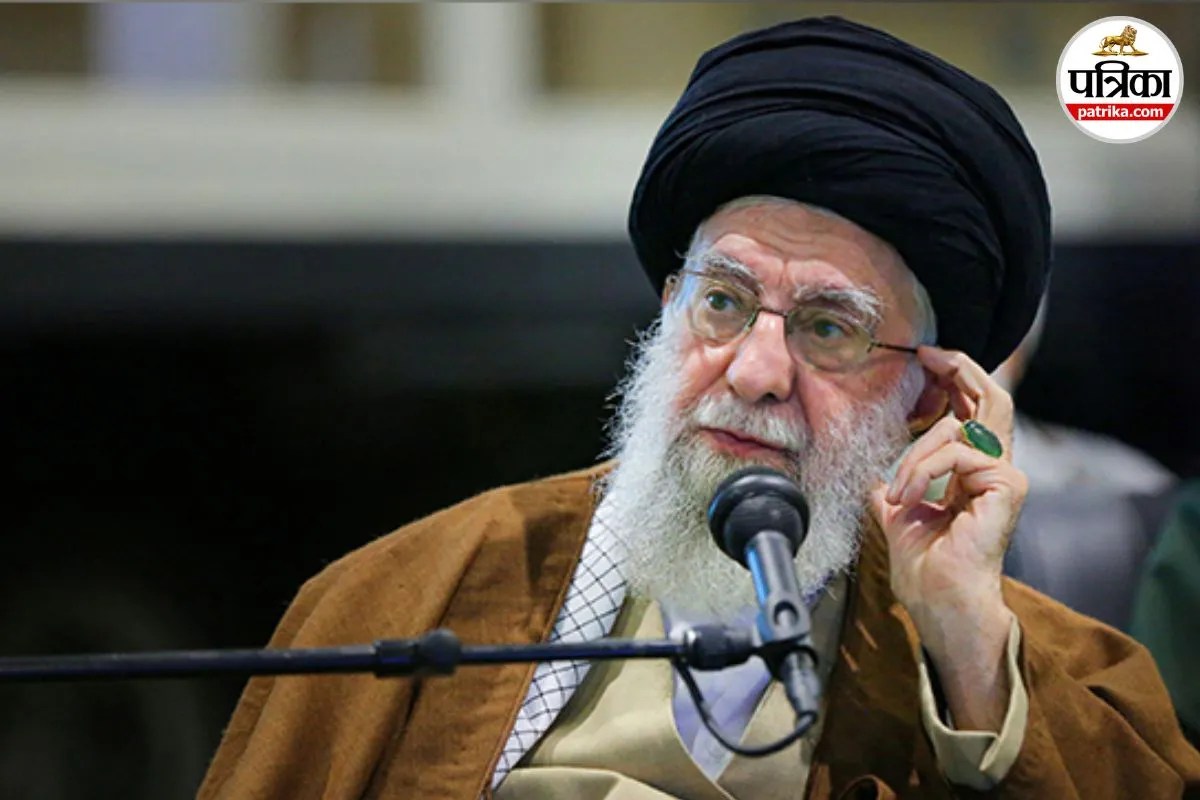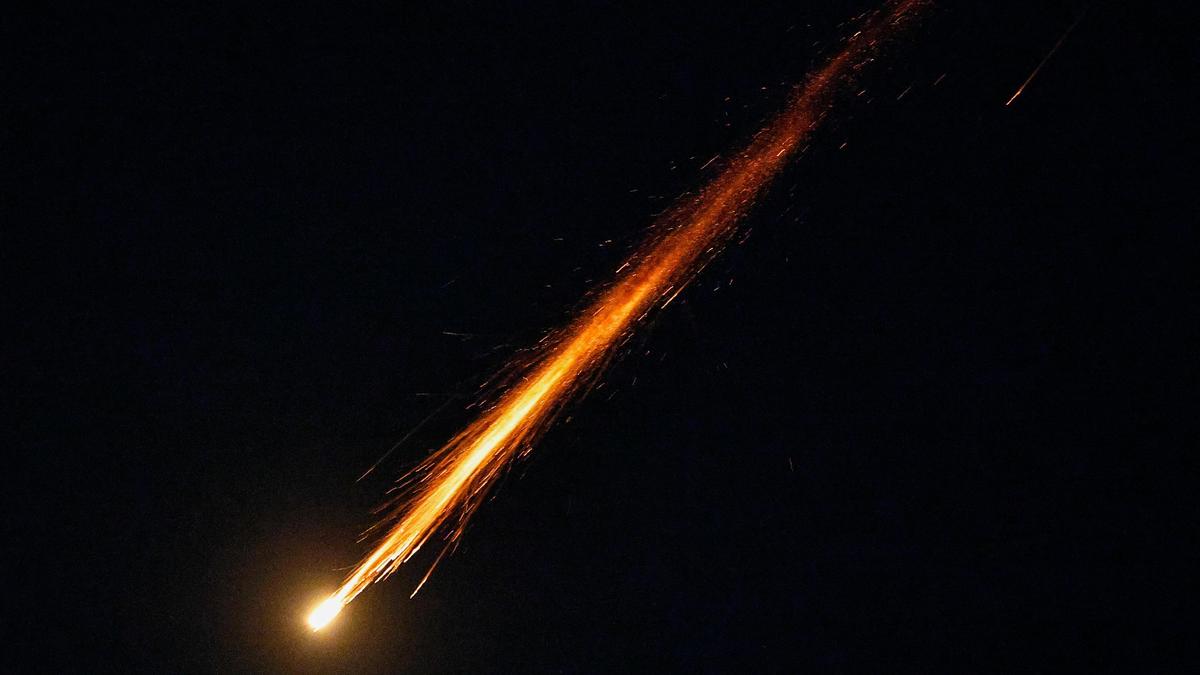
The Israeli Air Force targeted and killed two senior Iranian intelligence commanders in the heart of Tehran on Friday, March 13, 2026. This strike, confirmed by the Israeli Defense Forces (IDF) on Saturday, represents a surgical continuation of Operation Roaring Lion, the massive joint U.S.-Israeli campaign that began with the assassination of Supreme Leader Ayatollah Ali Khamenei on February 28.
The two men, Abdollah Jalali-Nasab and Amir Shariat, were not minor functionaries. They served as the acting heads of the Intelligence Directorate within the Khatam al-Anbiya Emergency Command—the central nervous system for Iran’s military decision-making and regional coordination. Their deaths leave a gaping hole in a command structure already reeling from the loss of their predecessor, Saleh Asadi, who was eliminated in the opening hours of the conflict just two weeks ago.
The Myth of the Untouchable Replacement
There is a persistent belief in military circles that "killing the messenger" only leads to a more radical messenger taking his place. In the context of the current war, however, the IDF is testing a different hypothesis: that a regime can be decapitated faster than it can regenerate.
Jalali-Nasab and Shariat were rushed into their roles to stabilize a fractured intelligence apparatus. Their mandate was to synthesize data from across the "Axis of Resistance" and provide the surviving political leadership with actionable assessments for retaliatory strikes against Israel. By eliminating them before they could even settle into their offices, Israel is signaling that there is no "safe" depth within the Iranian bureaucracy.
This isn’t just about the loss of two individuals. It is about the destruction of institutional memory. When a commander is killed, a file is lost. When his replacement is killed within fourteen days, the entire filing cabinet is set on fire.
A Security Umbrella Full of Holes
The fact that these strikes occurred in Tehran—a city that was supposed to be protected by layered Russian-made S-400 systems and indigenous Bavar-373 batteries—exposes a catastrophic failure of Iranian internal security.
Recent reports suggest that the Israeli Air Force is no longer merely "sneaking" into Iranian airspace. They are operating with a level of visibility that suggests the total suppression of Iranian air defenses. This operational freedom allowed for "precise guidance from Israeli Military Intelligence" to track the two commanders to a residential site in the capital, where the strike was carried out.
The implications for the remaining Iranian leadership are grim. If the Khatam al-Anbiya Emergency Command—the very group tasked with identifying threats—cannot identify the missile headed for its own rooftop, the regime’s command-and-control is effectively blind.
The Khatam al-Anbiya Connection
To understand why Jalali-Nasab and Shariat were priority targets, one must look at the function of the Khatam al-Anbiya command. It serves as the primary bridge between the Islamic Revolutionary Guard Corps (IRGC) and the regular army (Artesh). In a time of war, this body is responsible for:
- Situational Assessments: Providing the "Ground Truth" to the remaining high-ranking officials.
- Target Selection: Coordinating which Israeli cities or assets to strike with ballistic missiles.
- Proxy Synchronization: Managing the flow of intelligence to Hezbollah in Lebanon and the Houthis in Yemen.
By wiping out the leadership of this specific branch twice in fifteen days, Israel has effectively paralyzed Iran’s ability to conduct a "coordinated" war. The result is a series of reactive, erratic launches from disparate units rather than a cohesive military strategy.
The Costs of Decapitation
While these strikes are tactical masterpieces, they carry a heavy strategic weight. The region is no longer in a state of "managed escalation." We have crossed into a total war where the "shadows" have been stripped away.
Critics of the campaign, including officials from Oman and various Gulf Cooperation Council (GCC) states, argue that these assassinations have destroyed any "off-ramp" for diplomacy. With the Supreme Leader gone and the intelligence heads being picked off like clockwork, there is no one left in Tehran with the authority—or the longevity—to negotiate a ceasefire.
The strategy of "creating the optimal conditions for toppling the regime," as stated by Prime Minister Benjamin Netanyahu on March 12, relies on the assumption that the Iranian populace or a moderate military faction will fill the vacuum. However, history suggests that vacuums in the Middle East are more often filled by chaos than by democracy.
The elimination of Jalali-Nasab and Shariat proves that the IDF can reach anyone, anywhere in Tehran. Whether that reach translates into a stable victory or a decades-long regional conflagration remains the unanswered question of 2026.
Wait for the next wave of situational assessments from the IDF—they will likely focus on the remaining IRGC-Quds Force nodes in western Iran.