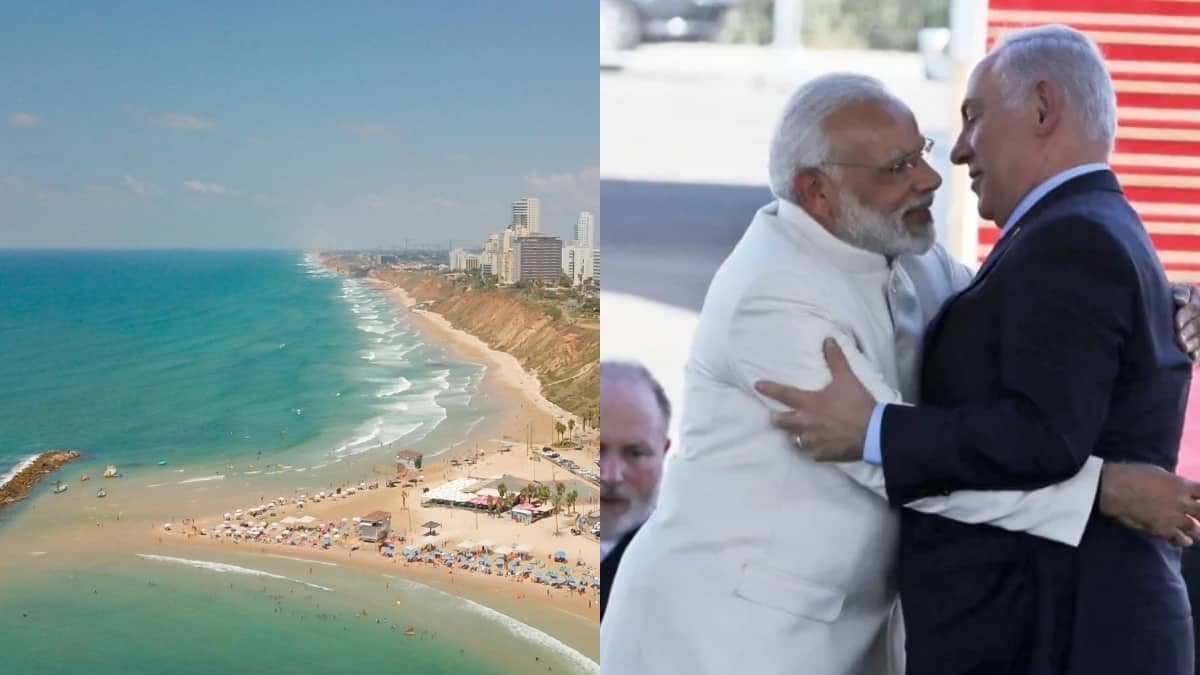
Israel isn't just a dot on a map for Indian travelers anymore. It's becoming a mainstay. When PM Modi made that historic trip to Jerusalem, it did more than just ink defense deals or talk about water tech. It flipped a switch in the minds of millions of Indians who previously viewed the region through a narrow lens of conflict or distant history. Now, the Israeli Ministry of Tourism is betting big on this connection. They've set a target of 69,000 Indian visitors by 2027. If you think that's an ambitious number, you haven't been paying attention to how fast the middle class in Delhi, Mumbai, and Bengaluru is expanding its horizons.
The shift is palpable. We're moving away from the era where "international travel" just meant a quick hop to Dubai or a structured bus tour through Western Europe. Indians want depth. They want stories. Israel offers a layer of historical intensity that few other places can match, and the diplomatic warmth between the two nations acts as a massive green light for the wary traveler.
The Modi Effect On Travel Habits
Diplomacy usually feels like something that happens in high-walled rooms, far away from your vacation planning. Not this time. PM Modi’s visit was the first by an Indian Prime Minister, and the visuals of him walking along the Mediterranean coast with Prime Minister Netanyahu resonated. It humanized a destination.
Before this, many Indian tourists felt Israel was a "niche" spot, mostly for the devoutly religious visiting the Holy Land. Today, the conversation has shifted toward the "Start-up Nation" vibe of Tel Aviv and the nightlife that rivals any European capital. The government-to-government (G2G) agreements have paved the way for easier visa processes and better flight connectivity. Air India’s direct routes, which notably fly over Saudi airspace, slashed travel times significantly. That’s a massive win. Nobody wants to spend twelve hours in transit for a six-hour flight.
The data shows that Indian travelers are staying longer. They aren't just doing a 48-hour dash. They’re exploring the Negev Desert, floating in the Dead Sea, and taking culinary tours through the markets of Akko. It’s a holistic interest.
Breaking The 69000 Visitor Barrier
Israel’s goal of hitting 69,000 Indian tourists by 2027 isn't just a random figure pulled out of a hat. It’s a calculated move based on the "high-value" traveler profile. The Israeli Ministry of Tourism (IMOT) has identified that Indians are among the highest spenders globally when they travel. We don't just go to see; we go to experience, shop, and eat.
To reach this goal, Israel is focusing on three specific segments.
- The MICE Sector: Meetings, Incentives, Conferences, and Exhibitions. Indian corporates are looking for fresh venues to reward their top performers. Tel Aviv’s tech-forward infrastructure makes it a no-brainer.
- The Wedding Industry: Big Fat Indian Weddings are heading to the shores of Caesarea. It’s unique, it’s expensive, and it’s incredibly "Instagrammable."
- The Leisure Explorer: This is the solo traveler or the young couple who has already "done" London and Paris and wants something with more grit and character.
One major hurdle has always been the perception of safety. Honestly, it’s the first question anyone asks. But the irony is that Israel has some of the most sophisticated security infrastructure on the planet. Most travelers find that once they land at Ben Gurion Airport, the reality is far more peaceful and organized than the news snippets suggest.
Cultural Synergies and The Food Connection
You can’t talk about Indian travel without talking about food. This is where Israel wins big. The Israeli culinary scene is heavily focused on fresh produce, chickpeas, and spices—many of which feel very familiar to the Indian palate. The "Mediterranean Diet" isn't a foreign concept to someone raised on lentils and fresh vegetables.
Tel Aviv is often called the vegan capital of the world. For the large population of Indian vegetarians, this is a dream. You don't have to struggle to find a decent meal. You aren't stuck eating plain fries or a sad side salad. You’re getting world-class hummus, shakshuka, and roasted cauliflower that actually tastes like something.
There's also a shared respect for tradition mixed with a fierce drive for modernization. Both cultures value family, history, and education. When you walk through a market in Jerusalem, the haggling, the noise, and the warmth feel surprisingly like home, just with a different soundtrack.
Logistics and The Practical Side of Things
If you're planning a trip, don't just stick to the tourist traps. The "Old City" in Jerusalem is mandatory, obviously. It’s a sensory overload. But the real magic happens when you rent a car and drive north towards Haifa or south toward Eilat.
The visa process has been streamlined, but it still requires some lead time. Don't leave it until the last minute. Use a registered travel agent who understands the specific requirements for Indian passports. Israel has been working on an E-visa system to further simplify things, which will be a huge driver for that 2027 goal.
Connectivity is the other piece of the puzzle. With more direct flights from Mumbai and Delhi, the "friction" of travel is disappearing. Look for mid-week flights to save on costs, as the weekend in Israel (Friday and Saturday) sees a surge in domestic travel and higher hotel prices.
Why This Partnership Is Built To Last
This isn't a temporary trend. The geopolitical alignment between India and Israel is deep. From agriculture to defense, the two nations are intertwined. Travel is just the most visible, human element of that bond. When people travel, they build empathy. They bring back stories that counter the headlines.
The 69,000-visitor target is actually quite conservative if you think about the sheer volume of Indians going abroad every year. As more people share their experiences of the nightlife in Tel Aviv or the silence of the Galilee, the momentum will only grow.
Start by looking at your calendar for the shoulder seasons—either Spring (March to May) or Autumn (September to November). The weather is perfect, and you'll avoid the blistering heat of the desert summer. Check the Air India and EL AL schedules for direct routes to maximize your time on the ground. Most importantly, ditch the rigid itinerary for at least two days. Let yourself get lost in the alleyways of Jaffa. That's where you'll find the real Israel that the brochures can't quite capture. Get your documents in order at least two months in advance to ensure a smooth visa approval. The world is getting smaller, and the corridor between New Delhi and Jerusalem is now wide open.