The Middle East is on fire, and while everyone’s looking at the headlines, the real panic is happening in New Delhi’s policy corridors. It’s not just about the price of a barrel anymore. It’s about whether the physical supply will even show up. If you think China is in the same boat as India because they both buy half their oil from the Gulf, you’re missing the point. India is far more exposed, and the reasons aren’t just geopolitical—they’re logistical and structural.
Right now, India is the world’s third-largest oil consumer. We import about 88% of what we use. When the Strait of Hormuz gets twitchy, the entire Indian economy holds its breath. Analysts at Kpler and ICIS aren’t just being alarmist when they say India is the "most vulnerable." They’re looking at the math.
The Brutal Reality of Thin Reserves
The biggest differentiator between India and its neighbors is the safety net—or lack thereof. China has been quietly hoarding oil for years. They’ve got at least six months of crude tucked away in massive underground caverns and floating storage.
India? Not so much.
Our Strategic Petroleum Reserves (SPR) are basically a drop in the bucket. We currently have enough to last about nine to ten days. Even when you add the commercial stocks held by refineries, we’re looking at maybe 70 days of total cover. But here's the kicker: refining sources suggest the real-world inventory that can be deployed instantly is closer to 20 or 25 days. In a prolonged conflict, that's a terrifyingly short window.
The Pivot that Backfired
In 2024 and 2025, India looked like a genius for buying discounted Russian crude. It saved billions and kept inflation in check. But then things got complicated. Pressure from Washington and a temporary interim trade deal—which has since been thrown into legal limbo by the U.S. Supreme Court—forced Indian refiners to dial back on Russian oil.
By January 2026, the share of Russian oil in India’s import basket fell below 20% for the first time in nearly four years. To fill that gap, we went right back to our old flame: the Middle East. Iraq, Saudi Arabia, and the UAE now account for over 55% of our imports. We basically doubled down on the world’s most volatile region just as it started to explode.
The Chokepoint Dilemma
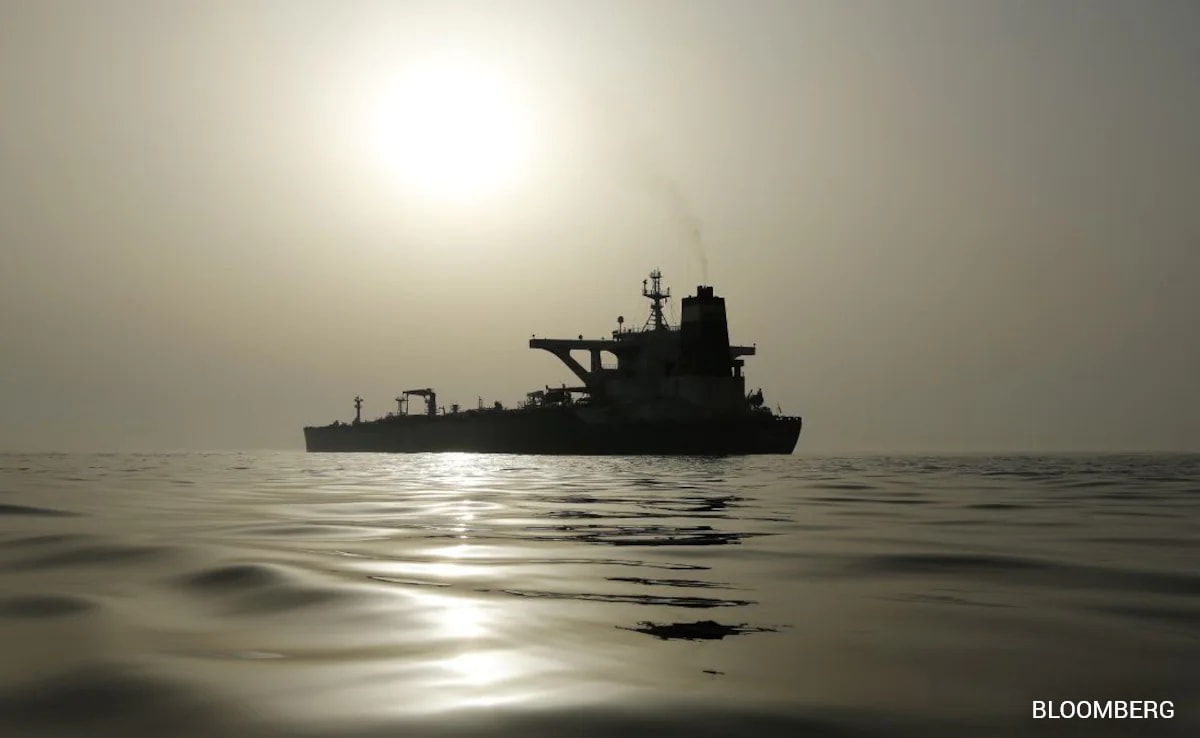
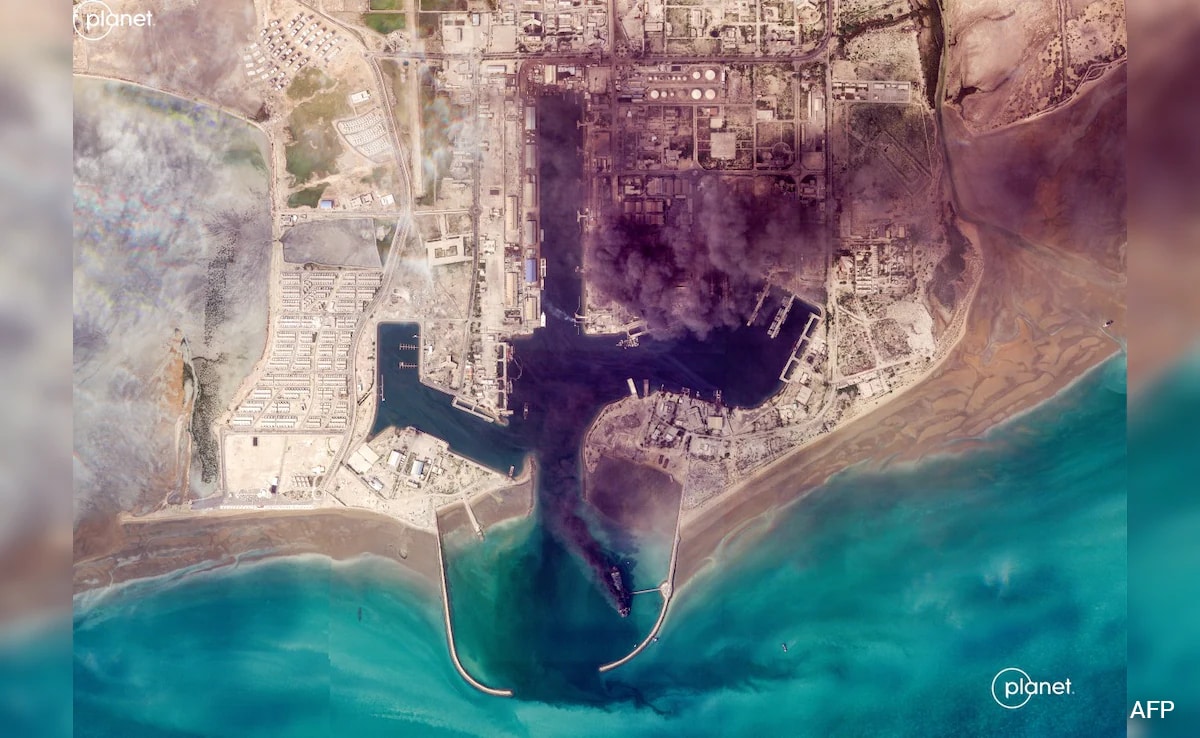
The Strait of Hormuz is the only way in and out for about 2.7 million barrels of oil destined for India every single day. If that narrow strip of water closes for even a week, the "just-in-time" supply chain for Indian refiners snaps.
It takes about five days for a tanker to get from the Gulf to India. Compare that to 30 or 40 days for a shipment from the U.S. or West Africa. You can't just "switch suppliers" on a Tuesday and expect the oil to be there by Saturday. The transit times from the Atlantic Basin are a logistical nightmare when you're running on fumes.
LPG is the Real Sleeping Giant
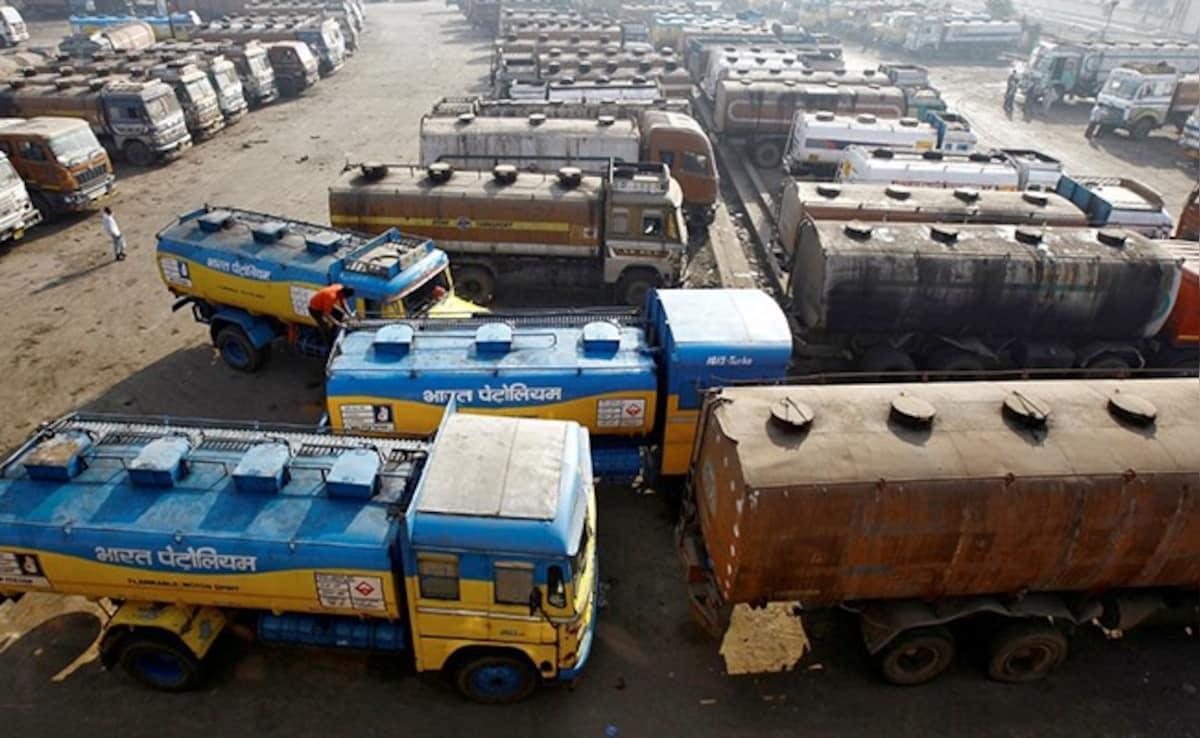
While everyone talks about petrol and diesel, the real disaster is lurking in your kitchen. India imports roughly 80% of its LPG (cooking gas). Almost all of it comes through the Strait of Hormuz.
Unlike crude oil, we don’t have massive strategic reserves for LPG. If those shipments stop, the impact on Indian households is immediate. We're talking about a potential shortage that hits the poorest families first, making it a massive political liability for the government.
The Hidden Costs of War
Even if the oil keeps flowing, it’s getting more expensive by the second. It’s not just the Brent crude price, which has already jumped past $80 a barrel. It’s the stuff no one talks about:
- Freight Rates: Shipping companies are already rerouting around the Cape of Good Hope.
- Insurance Premiums: War-risk underwriters are hiking rates or cancelling coverage entirely for the Gulf.
- The Subsidy Bill: Every $1 increase in the price of oil adds roughly ₹16,000 crore to India’s annual import bill.
Basically, the government is stuck between a rock and a hard place. They can either pass the cost to you at the petrol pump—which fuels inflation—or they can eat the cost and watch the fiscal deficit balloon. Neither is a win.
What Happens Next
India isn't totally helpless, but the options aren't great. The government is already looking at "re-diversifying" back to Russia, but that means navigating a minefield of U.S. sanctions and higher shipping costs. We’re also seeing a push to accelerate spot purchases from West Africa and Brazil.
If you're looking for a silver lining, it's that India’s refining sector is world-class. Our plants can process almost any kind of crude "sludge" you throw at them. This flexibility is our only real shield. But a shield only works if someone is actually delivering the oil.
If you want to stay ahead of this, keep an eye on the freight insurance market. When those rates spike, the fuel price hike isn't far behind. You might want to hedge your own bets by looking at energy-efficient alternatives sooner rather than later, because the "cheap oil" era just hit a major roadblock.
Start by auditing your own fuel dependency or looking into local energy stocks that might benefit from a shift toward domestic production. It’s better to be prepared than to wait for the next "out of stock" sign at the station.