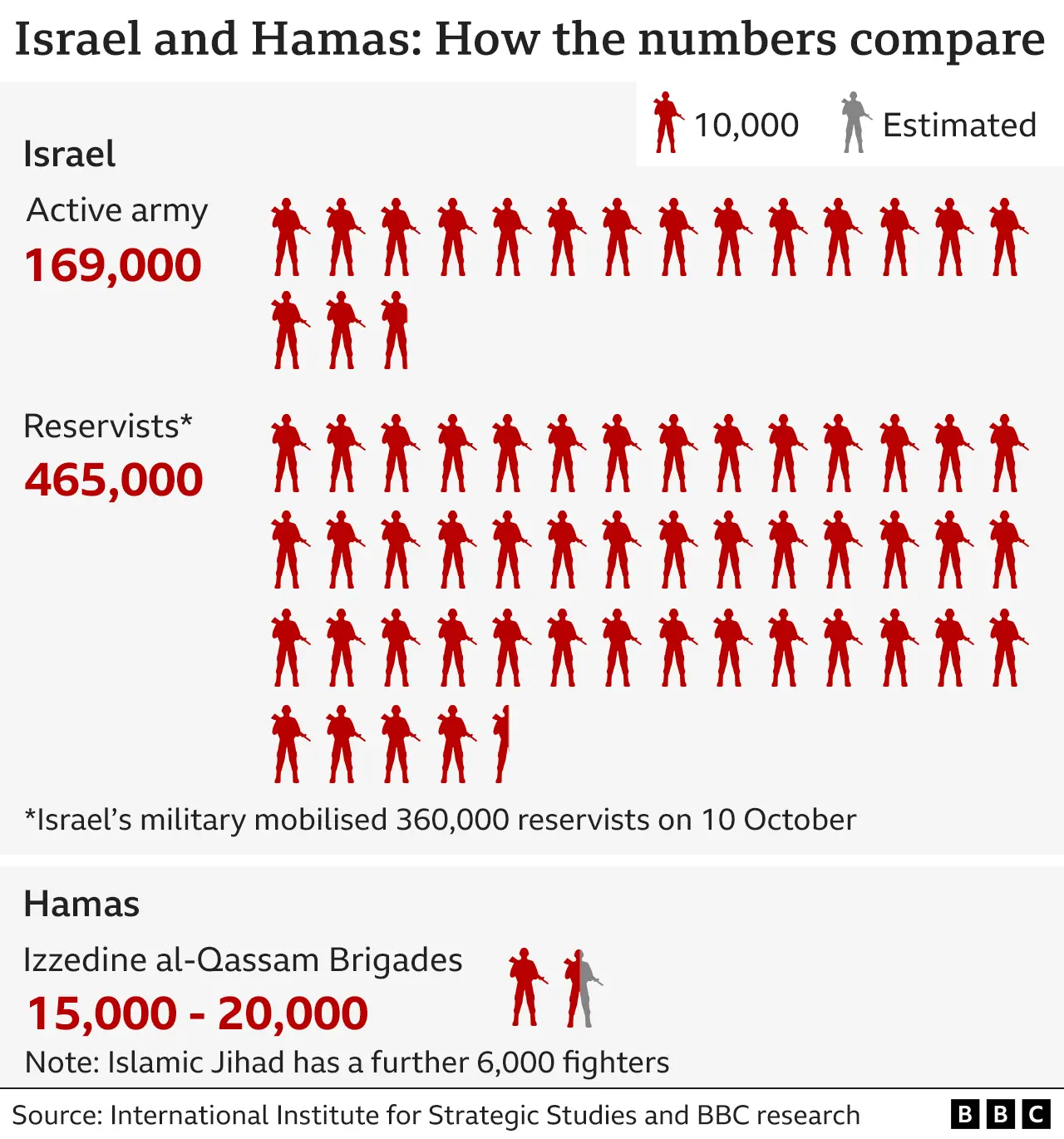
The Israeli Defense Forces (IDF) are hitting a wall that no amount of advanced tech or air superiority can fly over. It’s not a lack of missiles or a shortage of intelligence. It’s a shortage of breathing, exhausted human beings. Recent reports, including a stark warning from IDF Chief of Staff Herzi Halevi, suggest the military is staring down a potential collapse because the math simply doesn't add up anymore. You can’t fight a multi-front war indefinitely with a shrinking pool of soldiers who haven't slept properly in a year.
Israel’s security doctrine has always relied on a small standing army backed by a massive, rapid-response reserve force. That system is cracking. Reservists who expected to serve a few weeks a year are now hitting 200 or 300 days of active duty. They're losing their jobs. Their businesses are folding. Their families are fraying at the seams. When the head of the military warns of a "collapse," he isn't talking about losing a single battle. He's talking about the total breakdown of the social contract that keeps the IDF functional.
The Brutal Reality of the Numbers
The IDF needs more boots on the ground, and it needs them yesterday. The current war, stretching from the tunnels of Gaza to the ridgelines of Southern Lebanon, has created a voracious appetite for manpower. We’re seeing a deficit of thousands of soldiers. This isn't just a "hiring issue." In a conscription-based system, a shortage means the people already in uniform have to pull double or triple shifts.
The pressure is falling on a remarkably small slice of the population. While the secular and national-religious sectors are bearing a crushing load, large swaths of the Haredi (Ultra-Orthodox) community remain exempt from service. This isn't just a political talking point anymore; it’s a mathematical emergency. You can't sustain a high-intensity conflict when a significant portion of the draft-age population isn't in the game. The IDF has even moved to form a new division specifically to accommodate Haredi recruits, but the numbers actually showing up are a drop in the bucket compared to the need.
Why Burnout Is the Silent Killer
Physical exhaustion is one thing. Mental and economic "burnout" is a different beast entirely. Think about a 35-year-old reservist with three kids and a startup. He’s been called up three times in 14 months. His company is losing clients. His wife is essentially a single parent. At some point, that soldier reaches a breaking point.
The IDF is seeing a quiet but terrifying trend of "gray refusal." It’s not a political protest. It’s just people saying, "I literally can't do this anymore." They find medical reasons, they move abroad, or they simply stop answering the call because their life at home is disintegrating. If the middle-class "backbone" of the reserves snaps, the IDF loses its edge. Tech doesn't hold territory; people do.
The Training Gap
Another overlooked issue is the quality of the force. When you're constantly in "emergency" mode, training falls by the wayside. New recruits are being rushed through basic training. Officers are being promoted before they’re ready. The professional depth of the army is thinning out.
- Tactical errors increase when troops are sleep-deprived.
- Maintenance on heavy machinery slips.
- Long-term strategic planning gets replaced by "putting out fires."
The Political Deadlock
The government is in a bind. To fix the manpower shortage, they need to draft the Haredim. But doing that risks toppling the ruling coalition. To avoid that, they’ve tried to extend the length of mandatory service for everyone else and raise the age of retirement for reservists.
This is essentially "taxing" the people who already pay the most. It creates a resentment that’s poison for a "people’s army." When you hear Halevi talk about a collapse, he’s looking at the data showing that the current trajectory is unsustainable. You can’t keep asking the same 10% of the country to save the other 90% forever.
The Regional Stakes
Iran and its proxies aren't blind. They see these internal stresses. The strategy of "attrition" used by Hezbollah and Hamas is designed specifically to exploit this weakness. They know Israel isn't built for decades-long wars of attrition. They want to bleed the economy and exhaust the citizenry until the internal pressure forces a retreat.
The IDF's strength has always been its ability to end conflicts quickly and decisively. But this war has no clear end date. The longer it drags on, the more the manpower crisis shifts from a "problem" to an "existential threat."
What Needs to Happen Now
Fixing this requires more than just a few new laws. It requires a total rethink of how the state manages its human capital.
First, the burden of service has to be equalized. There's no way around it. The exemptions for the Ultra-Orthodox aren't sustainable in a 2026 security environment. Second, the state needs to treat reservists like the national assets they are. That means full salary compensation, tax breaks that actually matter, and legal protections for their jobs that have real teeth.
Third, the IDF must look at radical efficiency. They need to automate where possible, but also rethink which missions truly require a physical presence. The era of "doing more with less" is over. They now have to do "the essentials with what they actually have."
Stop looking at the manpower shortage as a side effect of the war. It's the central front. If the IDF doesn't find a way to replenish its ranks and give its reservists a path back to normalcy, the most advanced military in the Middle East will find itself hollowed out from the inside.
Keep a close eye on the upcoming Knesset sessions regarding the Draft Law. That's where the real fate of the IDF's operational capacity will be decided—not in the bunkers in Kirya. Check the latest updates from independent military analysts who track reserve call-up rates, as those numbers tell the story the official spokespeople won't.