The Red Sea is no longer a quiet corridor. After a month of watching from the sidelines, the Houthis just launched a ballistic missile at southern Israel, officially dragging Yemen into the spiraling war between the US-Israeli alliance and Iran. If you thought the global economy was shaky before, buckle up. This isn't just another protest in the streets of Sana’a; it’s the opening of a southern front that could choke global trade faster than any diplomat can draft a ceasefire.
On March 28, 2026, air defense sirens tore through the silence in Beersheba and the Negev desert. The Israeli military confirmed they intercepted a missile fired from Yemen—the first of its kind since "Operation Roaring Lion" began back in February. For weeks, the Houthis played a cat-and-mouse game of "will they or won't they." Now we have the answer. They’re in.
The Fingers Are on the Trigger
Houthi military spokesman Yahya Saree didn’t mince words. In a televised address just hours after the launch, he made it clear that this was "direct military intervention" to support Iran and the "Axis of Resistance." He’s basically saying that if the US and Israel keep hitting Tehran, the Houthis will keep hitting back from the south.
But it’s not just about missiles reaching Israel. The real threat is the Bab al-Mandab Strait. This narrow chokepoint is the gateway to the Red Sea. If the Houthis decide to resume the maritime blockade they ran during the Gaza conflict, they won't just be hitting military targets. They’ll be hitting your wallet. We’re talking about a potential halt to 10% of global seaborne oil and trillions in trade.
The group has laid out three specific red lines that, if crossed, will trigger a total escalation:
- Any new countries joining the US-Israeli alliance against Iran.
- The Red Sea being used as a staging ground for "hostile operations" against Muslim countries.
- Continued escalation against the Iranian regime and its allies in Lebanon and Iraq.
Why This Isn't Just "Another Proxy Move"
It’s easy to dismiss the Houthis as just another Iranian proxy, but that’s a mistake. They’ve spent the last few years becoming surprisingly self-sufficient. While they get tech and parts from Tehran, they’ve proven they can build and launch long-range drones and missiles even under heavy bombardment.
I’ve seen this pattern before. During the 2023-2025 Red Sea crisis, they didn't need a massive navy to cause chaos. They just needed a few cheap drones and a lot of persistence. By the time they signed a ceasefire in October 2025, they had effectively rewritten the rules of naval warfare in the region.
Now, with US Secretary of State Marco Rubio claiming the war could end in "weeks," the Houthis are betting that they can complicate the timeline. By attacking now, they’re forcing the US to divert resources from the main theater in Iran to protect shipping lanes and southern Israel. It’s a classic move: widen the battlefield to thin out the enemy.
The Streets of Sana’a are Boiling
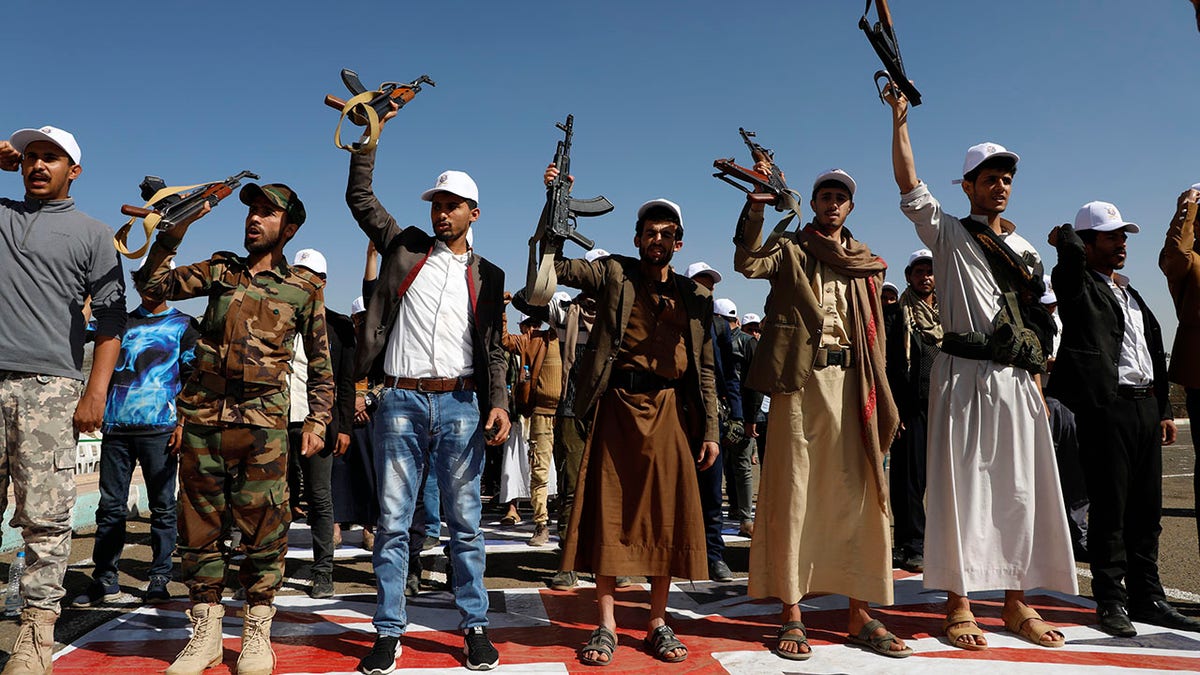
While the missiles fly, the streets are filled with people. Thousands gathered in Sebeen Square this week, waving Iranian flags and portraits of the late Ayatollah Khamenei. You can't ignore the domestic pressure here. The Houthi leadership uses these protests to legitimize their "religious duty" to fight.
But don't get it twisted—the mood isn't universal. Underneath the state-sponsored rallies, Yemen is still the world’s worst humanitarian crisis. While the leadership spends millions on ballistic missiles, millions of Yemenis are on the brink of famine. There’s a massive disconnect between the "adventurism" of the leadership and the survival needs of a population that hasn't seen a steady salary in years.
The Global Economic Fallout
We’re already seeing the ripples. Maersk just suspended operations at the Port of Salalah in Oman after a drone attack. With the Strait of Hormuz already "closed" according to Iran’s Revolutionary Guards, the Red Sea was the last remaining safety valve for energy exports. If that valve shuts, oil prices won't just go up—they'll skyrocket.
The US has already ordered thousands of Marines and paratroopers to the region. They’re likely preparing to seize key islands or ports to keep the water open. This is a high-stakes game of chicken. If the US moves to occupy Yemeni islands like Mayyun (Perim), the Houthis will see it as a direct invasion.
Honestly, the "weeks, not months" timeline for this war looks increasingly like wishful thinking. When you add a motivated, battle-hardened group like the Houthis into the mix, conflicts don't usually get shorter. They get messier.
What You Should Watch For Next
The next 48 hours are critical. Watch for the following:
- Shipping Diversions: If major carriers start rerouting around the Cape of Good Hope again, expect immediate inflation on consumer goods and fuel.
- US Naval Response: Look for the deployment of additional carrier strike groups toward the Bab al-Mandab.
- Internal Yemen Dynamics: Watch if the internationally recognized government in Aden tries to capitalize on the Houthi's distraction to retake territory.
The Houthis aren't just "protesting" anymore. They’ve officially entered the ring. If you have interests in global shipping or energy markets, start hedging now. The southern front is open, and the "trigger" has already been pulled.
Stay updated on the official shipping notices from the International Maritime Organization (IMO) and monitor the US Central Command (CENTCOM) briefs for the latest on missile interceptions. If you're managing supply chains, it's time to trigger your contingency routes immediately.