The Persian Gulf is currently the site of the most dangerous game of chicken in modern history. Tehran has officially dismissed a 48-hour ultimatum from Washington regarding the reopening of the Strait of Hormuz, calling the demand "unbalanced" and a violation of sovereign rights. This rejection moves the world beyond mere diplomatic friction into a zone where kinetic conflict is no longer a theoretical risk but a mathematical probability. By closing the world's most vital maritime chokepoint, Iran has effectively seized the jugular of the global energy market, and the White House's attempt to force a reopening through a time-bound threat has, for now, backfired.
The situation is simple yet catastrophic. Roughly one-fifth of the world’s liquid petroleum passes through this narrow stretch of water. If the tankers stop moving, the global economy begins to seize within days. This is not about regional dominance; it is about the fundamental flow of credit and fuel that keeps industrialized nations functioning.
The Mechanics of the Chokepoint
To understand why an ultimatum failed, one must look at the geography. The Strait of Hormuz is only 21 miles wide at its narrowest point. However, the shipping lanes—the actual deep-water paths capable of carrying massive Crude Carriers—are only two miles wide in each direction, separated by a two-mile buffer zone.
Iran does not need a massive blue-water navy to control this space. They have spent decades perfecting "anti-access/area denial" (A2/AD) strategies. This involves a swarm of fast-attack boats, sea-skimming missiles, and sophisticated bottom-mooring mines. When Tehran says the demand to reopen is "unbalanced," they are pointing to the reality that they hold the tactical high ground in a confined space.
Military analysts know that clearing the Strait of mines while under fire from coastal missile batteries is a task that takes weeks, not 48 hours. By issuing a two-day deadline, the U.S. administration set a benchmark that was technically impossible to meet without a total Iranian surrender, which was never a realistic diplomatic outcome.
Why Diplomacy Hit a Wall
The "unbalanced" label used by Iranian officials refers to a perceived lack of reciprocity. In the world of high-stakes geopolitics, you rarely get something for nothing. Tehran views the Strait as their primary leverage against suffocating economic sanctions. From their perspective, reopening the gates without a guarantee of sanctions relief or a return to previous nuclear agreements is a strategic non-starter.
The U.S. position is equally rigid. Washington views the freedom of navigation as a non-negotiable international right. By setting a 48-hour clock, the administration attempted to use "coercive diplomacy" to shock the Iranian leadership into a retreat. Instead, it gave the hardliners in Tehran a nationalist rallying cry. They have framed the ultimatum as a colonial-style dictate, making it politically impossible for even the more moderate factions in the Iranian government to suggest a compromise.
The Economic Shrapnel
The markets have already begun to react, and the data is grim. Crude oil futures spiked immediately following the rejection of the ultimatum. But the price of a barrel is only the first layer of the crisis.
The real pain is found in the shipping insurance markets. Underwriters in London have already reclassified the Persian Gulf as a "listed area," meaning premiums for tankers have shot up by over 400 percent in a single week. Some shipowners are refusing to send vessels into the region regardless of the price. This creates a physical shortage of supply that no amount of strategic reserve releases can fully offset.
The "just-in-time" delivery system of global energy means that refineries in Asia, particularly in Japan and South Korea, are currently operating on shrinking stockpiles. If the closure lasts another ten days, we will see the first signs of industrial slowdowns in the East, which will ripple through the global supply chain for electronics, automobiles, and plastics.
The Miscalculation of Force
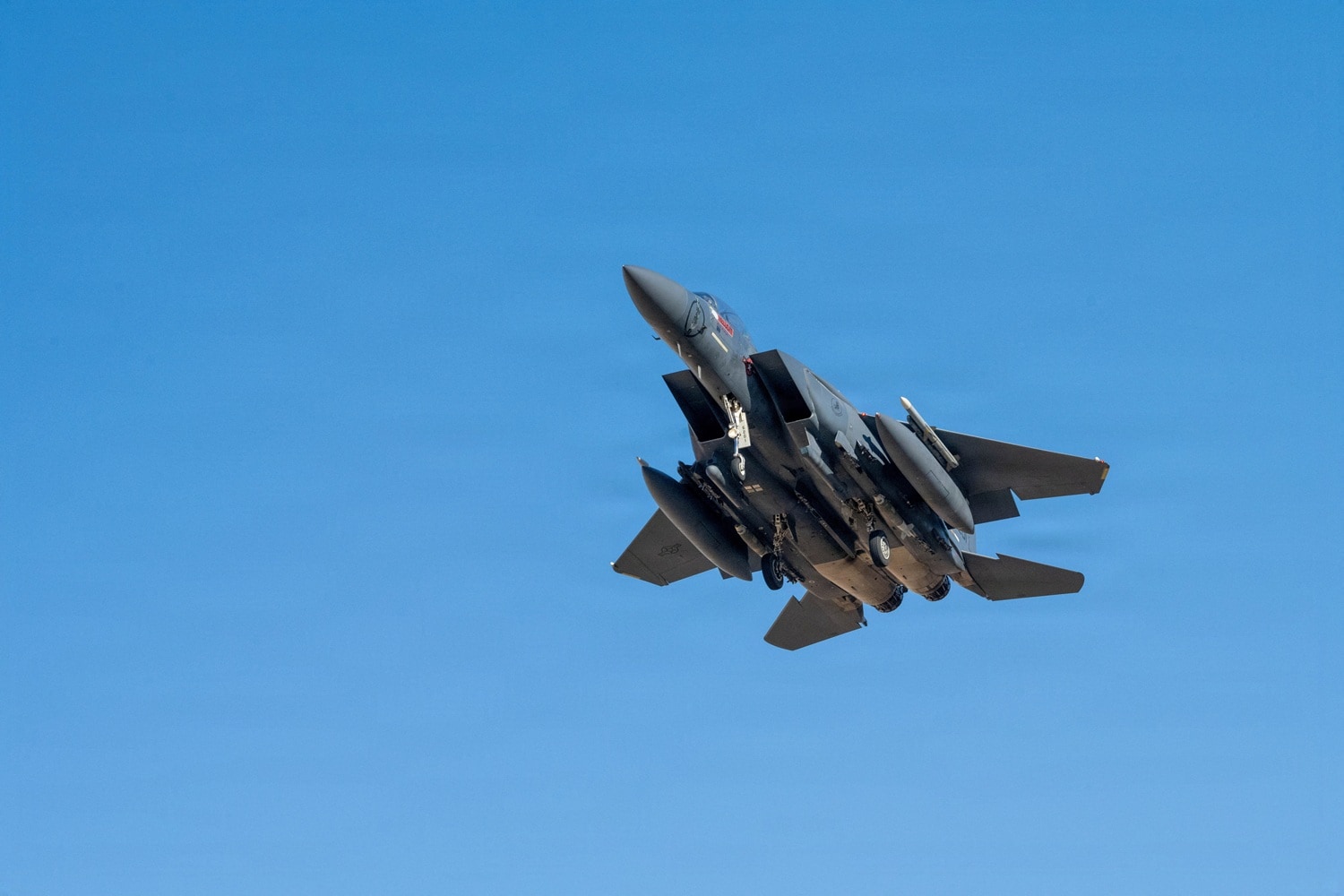
There is a persistent myth that the U.S. Fifth Fleet can simply "sweep" the Strait and restore order. While the technical superiority of the U.S. Navy is absolute, the cost of an engagement in these waters is prohibitive.
An exchange of fire in the Strait would likely result in the sinking of several large commercial vessels. A sunken VLCC (Very Large Crude Carrier) in a two-mile-wide shipping lane creates a physical and environmental nightmare that could take months to remediate. Iran knows this. They are betting that the U.S. and its allies are not willing to burn down the global economy to save it.
Furthermore, the role of regional players cannot be ignored. Saudi Arabia and the United Arab Emirates have spent billions on pipelines intended to bypass the Strait. However, these pipelines do not have the capacity to handle the full volume of Gulf exports. They are a bucket used to drain a swimming pool. The dependence on Hormuz remains a physical reality that cannot be engineered away in a crisis.
Shadow Actors and Secondary Markets
While the world watches the official statements, a more complex game is happening in the shadows. China, the largest buyer of Iranian oil despite sanctions, is in a precarious position. On one hand, they need a stable energy market. On the other, they benefit from the U.S. being bogged down in a Middle Eastern quagmire.
Reports suggest that "ghost fleets"—unregistered tankers using transponder spoofing—are still attempting to move small amounts of product through Iranian-controlled waters. This indicates that Tehran is not just closing the Strait; they are attempting to monopolize it, allowing only "friendly" traffic while barring the rest of the world. This selective closure is a direct challenge to the concept of international waters and sets a precedent that other nations in other chokepoints, such as the South China Sea or the Bab el-Mandeb, are watching closely.
The Failure of the Ultimatum Strategy
The use of an ultimatum is a tool of last resort. For it to work, the threat must be credible, and the exit ramp for the opponent must be visible. The 48-hour window provided neither. It was too short for a complex logistical withdrawal and too public for a quiet diplomatic face-saving measure.
By rejecting the demand, Iran has called the bluff. The ball is now back in Washington’s court, and the options are narrowing. The administration can either escalate to a full-scale naval escort operation—which invites a direct shooting war—or they can let the deadline pass and appear toothless. Neither outcome stabilizes the energy market.
The Intelligence Gap
There is a growing suspicion among veteran analysts that the U.S. intelligence community misjudged the internal power dynamics in Tehran. The assumption was likely that the economic pressure had reached a breaking point where the leadership would prioritize survival over the Strait.
The opposite has occurred. The pressure has consolidated power within the Islamic Revolutionary Guard Corps (IRGC), which now views the control of the Strait as their definitive proof of relevance. They are not looking for a way out; they are looking for a way to prove that the era of Western maritime hegemony is over.
The Environmental Wildcard
One factor often overlooked in the "hard-hitting" analysis of missile counts and oil prices is the ecological vulnerability of the Gulf. A single major strike on a tanker in the Strait of Hormuz would release millions of gallons of crude into a shallow, semi-enclosed sea.
The desalination plants that provide the majority of the drinking water for the GCC countries—Saudi Arabia, Kuwait, Qatar, and the UAE—would be forced to shut down to prevent contamination. This would transform an energy crisis into a humanitarian disaster within 72 hours. This is the "scorched water" policy that Tehran holds as its ultimate deterrent. They know that an attack on their positions could lead to a catastrophe that would leave the entire region uninhabitable for months.
A New Reality for Global Trade
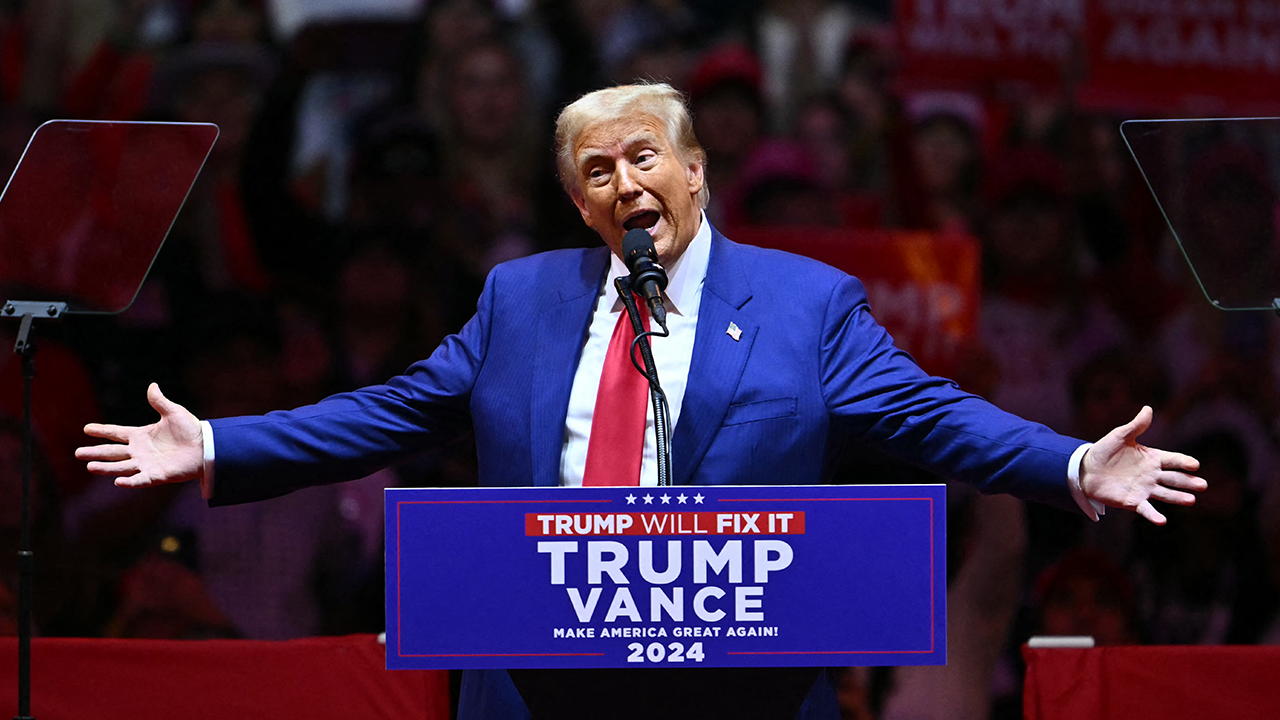
The era of assuming that shipping lanes are guaranteed by the mere presence of a superpower is ending. The rejection of the Trump ultimatum marks the moment when regional powers realized they could hold the global economy hostage through asymmetric means.
Even if the Strait reopens tomorrow, the "risk premium" is now a permanent feature of the market. Investors have seen how easily the gears can be jammed. The reliance on a single, 21-mile-wide stretch of water for the survival of the modern world is a systemic flaw that has finally been exposed.
Hard Truths of the Escalation
We are currently witnessing the collapse of the post-WWII maritime order in real-time. When a state actor can dismiss an ultimatum from the world’s largest military without immediate consequence, the rules of engagement have changed.
The next few days will determine if the global economy survives the year intact. If the U.S. moves to clear the Strait by force, the resulting spike in energy costs will trigger a global recession. If the U.S. does nothing, the precedent is set that any nation bordering a chokepoint can demand a ransom from the rest of the world.
The 48-hour clock has run out, but the real countdown has just begun. There is no middle ground left. Either the international community finds a way to offer Tehran a "balanced" exit that does not look like a retreat, or the tankers will continue to sit idle while the world’s power grids and stock markets begin to flicker and fade. The cost of miscalculation is no longer measured in political points, but in the total disruption of the energy that sustains modern civilization.