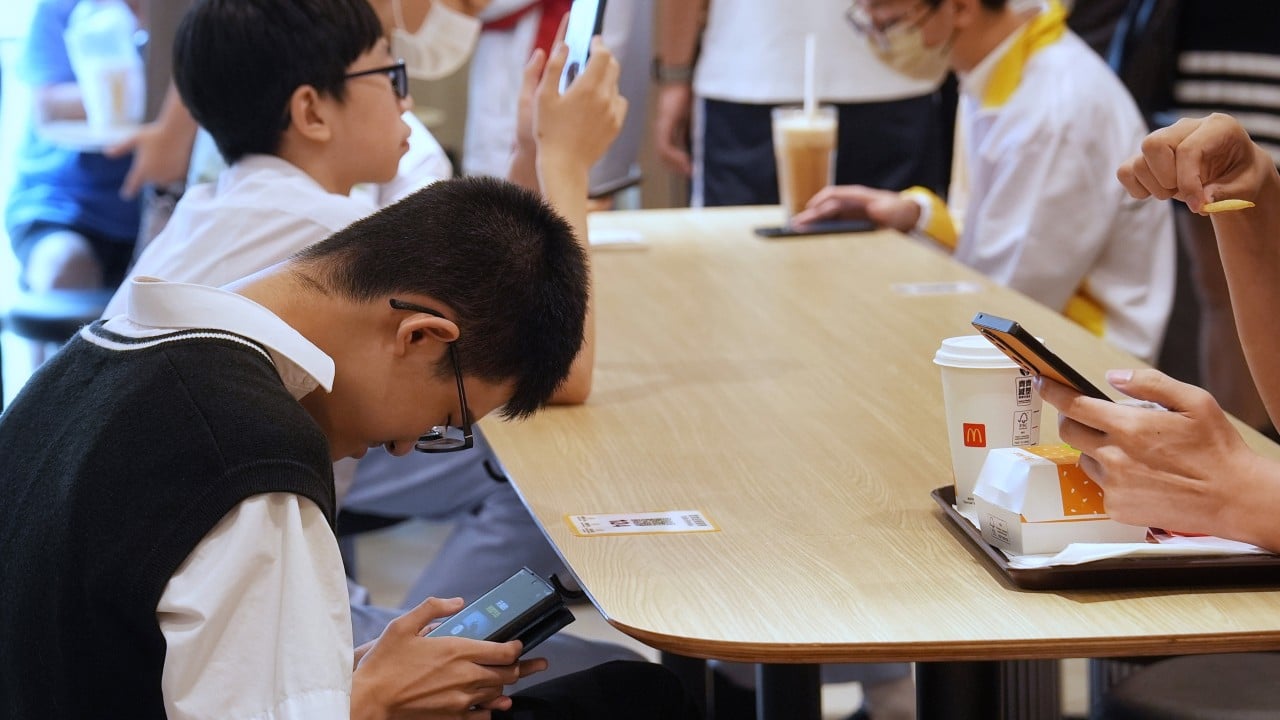
Hong Kong's classrooms are pressure cookers. We know the drill. Students wake up early, haul bags that weigh as much as a small dog, and sit for ten hours a day. Then they go home and sit some more. Recent data from the Physical Fitness Association of Hong Kong, China (PFAHK) paints a grim picture. About 94% of our students don't meet the basic physical activity levels recommended by the World Health Organization. That isn't just a small dip. It's a systemic failure. When nearly every single child in a city isn't moving enough, we can't blame "lazy" kids. We have to look at the environment we built for them.
The numbers get worse. Roughly 17.5% of these students are classified as overweight or obese. If you’ve walked past a local primary school at 3:30 PM lately, you’ve seen it. Kids are exhausted. They aren't heading to the park. They're heading to tutorial centers or sinking into their phones on the MTR. We’re raising a generation of "couch potatoes" not by choice, but by design.
The 94 Percent Problem
The WHO says kids need at least 60 minutes of moderate-to-vigorous physical activity daily. In Hong Kong, only 6% hit that mark. Think about that. In a class of 30 students, maybe two are getting enough exercise to keep their hearts healthy. The rest are sedentary.
This isn't just about "missing gym class." It’s about the total lack of spontaneous play. Our city is dense. Space is a luxury. Many housing estates have "playgrounds" that are basically plastic sets on rubber mats where running is often discouraged by signs or overzealous security guards. When the physical environment screams "don't run," kids listen. They turn to screens because screens fit in their pockets and don't require a booking at a government sports center.
Weight Gains and Health Risks
That 17.5% obesity rate is a ticking time bomb. Being overweight in childhood isn't just about clothes not fitting. It’s about the early onset of Type 2 diabetes and hypertension. We’re seeing conditions in teenagers that used to be reserved for 50-year-olds.
The PFAHK study highlighted that the problem peaked during the pandemic but hasn't bounced back. Habits formed during school closures stuck. Zoom lessons replaced PE. Now that schools are back to normal, the "normal" includes a heavy reliance on digital entertainment. A child who spends six hours on a tablet isn't going to suddenly want to do jumping jacks. Their dopamine hits come from apps, not from the "runner's high" we keep telling them about.
Academic Pressure vs Physical Health
Parents in Hong Kong often feel they have to choose. Do you want your kid to get into a Top 3 secondary school or do you want them to be a track star? The culture treats exercise as a "bonus" or a "distraction." Honestly, it’s the opposite. Research consistently shows that aerobic exercise improves executive function and memory. By cutting out playtime to make room for more math drills, we’re actually making it harder for kids to learn.
A brain that isn't getting oxygenated blood from a moving body is a sluggish brain. We’re forcing kids to study in a state of physical stagnation. It’s inefficient. It’s also cruel.
The School Day is Broken
Most schools offer two PE periods a week. Usually, that’s about 35 to 40 minutes per session. Once you factor in changing clothes and taking attendance, you're lucky if the kids get 20 minutes of actual movement. That doesn't even come close to the 420 minutes a week they actually need.
We need to stop treating PE as an "extra." It should be daily. It doesn't have to be a formal sports match every time. It could be ten minutes of high-intensity movement between lessons. It could be active commuting. But right now, the schedule is the enemy. Teachers are under pressure to finish the syllabus, so they see movement as a waste of precious minutes.
The Role of Parents and Home Life
It’s easy to point fingers at schools. But what happens after 4:00 PM? Many Hong Kong parents work late. Domestic helpers often manage the kids. The easiest way to keep a child quiet and "safe" is to give them a screen.
We also have a weird obsession with "safety" that prevents kids from just being kids. We don't let them walk to school because of traffic. We don't let them play outside because it’s too hot or too humid. If we keep wrapping them in bubble wrap, they’ll keep growing into the couch.
Breaking the Sedentary Cycle
Fixing this requires a shift in how we value time. We have to stop seeing "doing nothing" as the only alternative to "studying." Movement is a biological necessity.
Schools should look into "Active Recess." Instead of just letting kids stand around, provide equipment that encourages movement. Don't punish kids by taking away their break time. That’s the worst thing you can do for a child’s focus.
Parents need to lead by example. If you come home and immediately flop onto the sofa to scroll through social media, your kid will do the same. Walk the dog together. Take the stairs instead of the escalator at the mall. It sounds small, but these tiny choices add up over a decade of development.
The 17.5% overweight statistic is a wake-up call. We’re failing our children’s bodies while trying to save their resumes. It’s time to prioritize the heart as much as the report card.
Start today by auditing your child's screen time versus their "green time." If the ratio is skewed, fix it. Enroll them in a sport they actually enjoy, not just one that looks good on a university application. Take them to a hiking trail this weekend. Hong Kong has some of the best urban-to-nature access in the world. Use it. If we don't change the culture now, we’re just waiting for a public health crisis that we could have easily prevented.