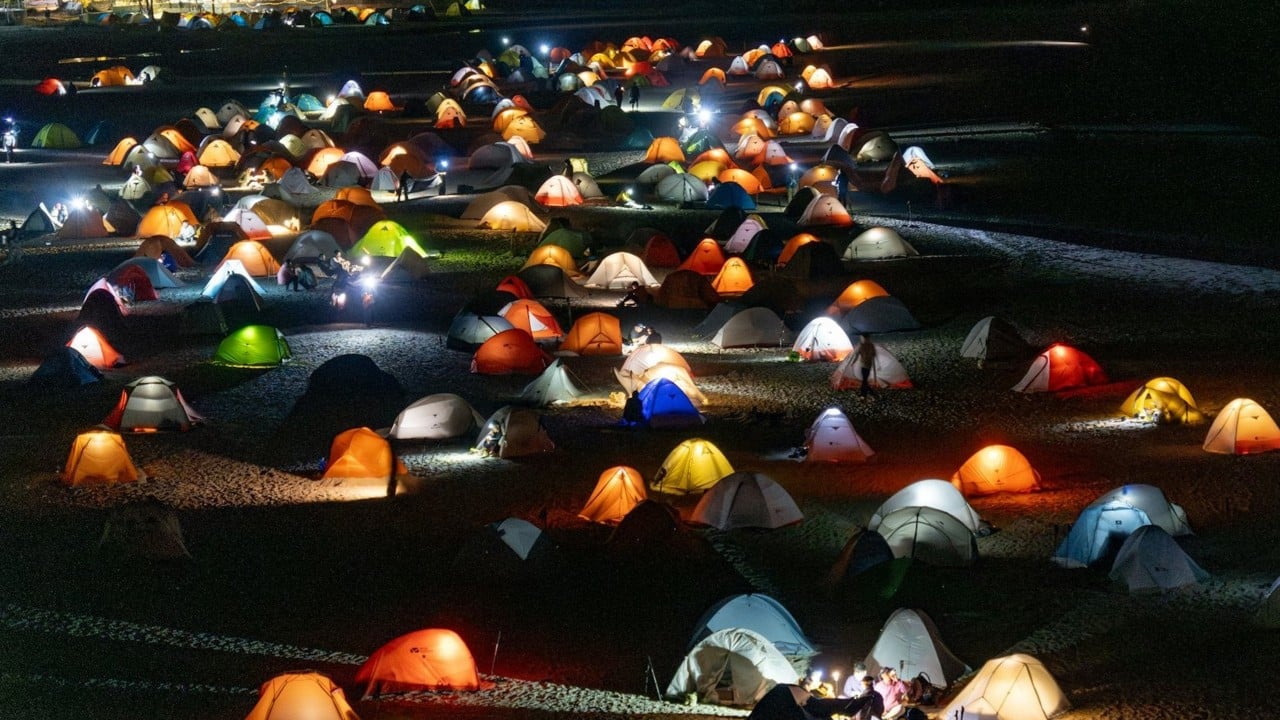
Hong Kong’s country parks are victims of their own beauty. If you’ve tried to pitch a tent at Tap Mun or Wan Tsai on a public holiday lately, you know the drill. It’s a chaotic land grab. You arrive after a long hike only to find every square inch of flat ground claimed by "glampers" who brought everything including the kitchen sink. Then there’s the trash. It’s heartbreaking to see plastic wrappers and leftover food rotting in places that should be pristine.
The Agriculture, Fisheries and Conservation Department (AFCD) finally decided to step in. They’re launching a pilot booking system for selected campsites to manage the human surge. This isn't just about administrative busywork. It’s a desperate attempt to stop our natural heritage from being loved to death.
The end of the first come first served chaos
For decades, camping here was a free-for-all. That worked when only a few dedicated hikers braved the humidity. Now, social media has turned quiet spots into viral hotspots. People show up in droves, often with zero outdoor etiquette. When a site designed for 20 tents suddenly hosts 80, the environment pays the price.
The new trial system aims to cap numbers. By requiring a reservation, the AFCD can ensure that the soil doesn’t get compacted into concrete and the local water sources don't get overwhelmed by greywater. It’s a move toward the "permit" culture you see in US National Parks or the Great Walks in New Zealand. Honestly, it’s about time. We can’t keep pretending that infinite growth is possible in a finite forest.
Why overcrowding is a disaster for biodiversity
When we talk about overcrowding, we aren't just talking about noisy neighbors or blocked views. We're talking about ecological stress. High foot traffic kills the undergrowth. Without plants to hold the dirt, heavy rains turn campsites into mudslides.
Then there’s the wildlife. Hong Kong’s feral cows and wild boars are smart. They’ve learned that campers equal easy calories. Overcrowded sites mean more overflowing bins and more "accidental" feeding. This changes animal behavior. It makes them aggressive and dependent. A booking system helps spread the load. If the AFCD can control the density of people, they can control the volume of waste and the frequency of human-wildlife conflicts.
Tackling the litter crisis at its source
Litter isn't just an eyesore. It’s a systemic failure. The "Take Your Litter Home" campaign was a great start, but it relies on people actually having a conscience. Unfortunately, a segment of the new camping crowd treats the wilderness like a hotel where someone else cleans up.
The booking system adds a layer of accountability. While the government hasn't explicitly said they'll track every wrapper back to a specific booking ID, the mere act of registering makes people feel watched. It’s psychological. When you're an anonymous face in a sea of 200 illegal tents, you're more likely to leave that gas canister behind. When you’re in a reserved spot, you’re a guest.
What the trial means for your next trip
The pilot program will likely focus on high-demand spots like those in Sai Kung or Lantau. You’ll probably need to use an online platform to snag a spot weeks in advance. This is going to annoy the "spur of the moment" hikers. I get it. Part of the joy of camping is the freedom. But that freedom is currently destroying the very thing we enjoy.
Expect a few bumps during the rollout. Government websites in Hong Kong aren't always known for their "user-friendly" interfaces. There will be complaints about bots snatching up spots or people "no-showing" and leaving sites empty while others are turned away. The AFCD needs to bake in a strict check-in policy or a small fee to ensure people actually show up.
Changing the way we see the outdoors
This booking system is a wake-up call. It’s a signal that the "free" era of the outdoors is shifting toward a "managed" era. We have to stop seeing the country parks as a giant, unregulated playground. They’re fragile ecosystems.
If you want to keep camping in Hong Kong, you're going to have to get organized. Start checking the AFCD website for the specific launch dates of the pilot. Get your gear in order and, for the love of everything green, learn how to pack out what you pack in. The success of this system depends as much on our behavior as it does on the government's code.
Keep an eye on the official announcements for the list of specific sites included in the first wave. If you're planning a trip to a popular spot like Ham Tin or Tai Long Wan, check if they fall under the new rules before you lug your pack all the way out there. It’s better to spend ten minutes online than four hours hiking back because there's no room at the inn.