The housing market narrative is broken. We hear constantly about how tough it is for first-time buyers to enter the market. That is true. Yet, there is a much quieter, more dangerous trend happening right now. People who already own homes are struggling to keep them. We are seeing a slow, steady increase in mortgage delinquency rates. It is not just about the folks looking for a house. It is about the people who already have one and are finding the math simply does not work anymore.
You might think that if you have equity, you are safe. If you have been in your home for five or ten years, surely you can just sell if things get tight, right? Not exactly. Selling a home takes time, money, and a functional market. If you are already behind on payments, you are often already in a position of weakness.
The Cash Flow Trap
Most homeowners view their home as an asset. That is the traditional wisdom. You pay your mortgage, you gain equity, and you are building wealth. But a home is also a massive, recurring expense. When inflation hits, it hits your monthly budget hard. Groceries, utilities, insurance premiums, and property taxes all climb.
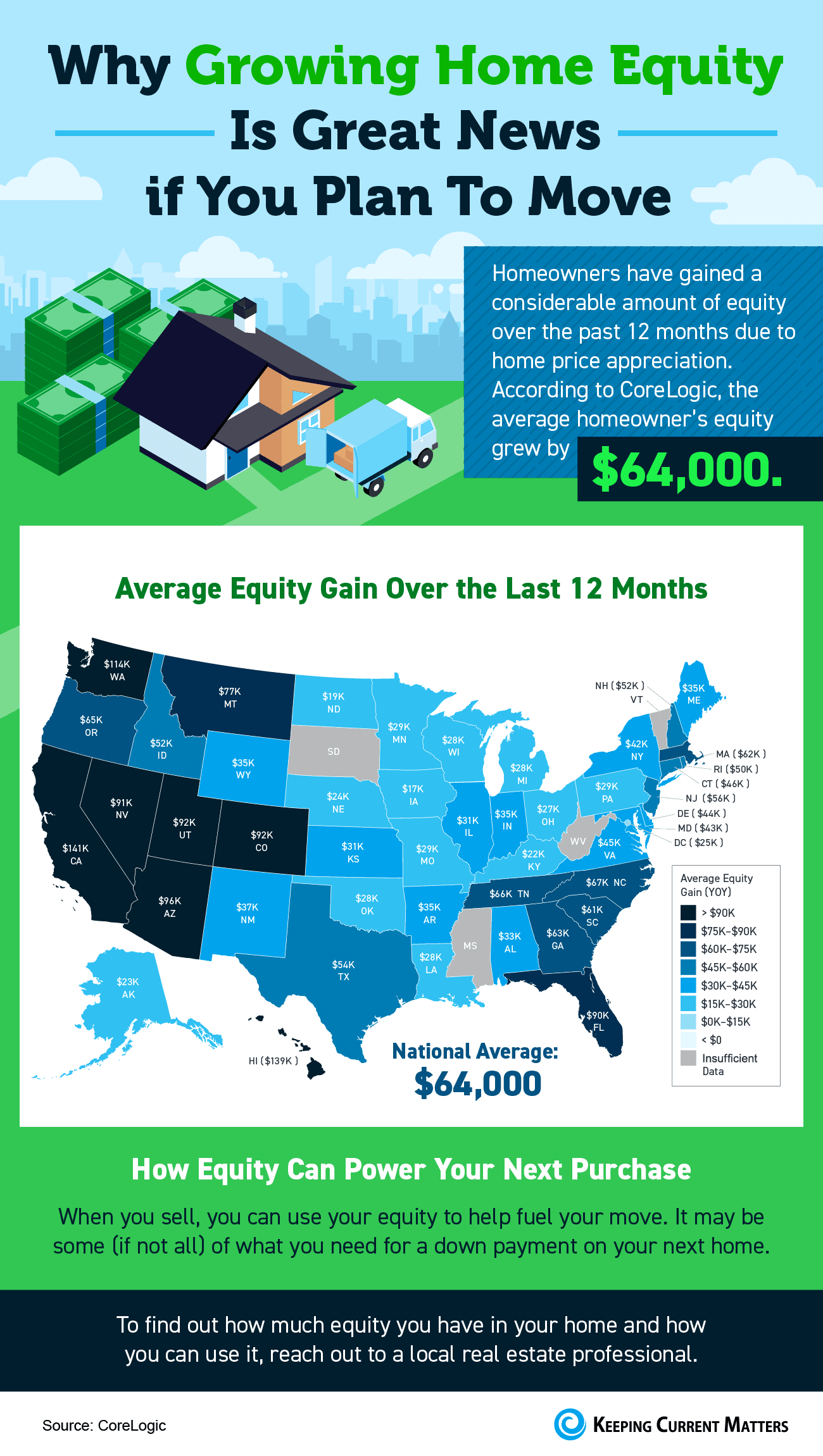
If your income does not climb at the same speed, that mortgage payment becomes a ticking time bomb. This is the reality for many middle-class families in 2026. They are "house rich" on paper but completely broke when it comes to liquid cash. They have hundreds of thousands in equity locked in walls and a roof, but they cannot pay the electric bill or the next mortgage installment.
When Interest Rates Bite Back
Many homeowners are currently facing a massive shock as their adjustable-rate mortgages reset or as they are forced to refinance for necessary life events. If you locked in a low rate back in 2020 or 2021, your current payment is likely manageable. If that term ends, or if you need to tap into home equity through a loan to cover rising living costs, you are looking at a completely different landscape.
Suddenly, your monthly payment jumps by hundreds or even thousands. That is not just a nuisance. That is a life-altering event. It forces people to make impossible choices. Do you pay for childcare, or do you pay the bank? Most people choose to eat. They choose to keep the heat on. The mortgage, unfortunately, becomes the variable that gets pushed to the next month.
The Myth of Easy Selling
A lot of people assume that if the bank starts calling, they can just list their home and walk away with a profit. That is a dangerous fantasy.
Selling a home is expensive. You have realtor fees, closing costs, staging, and potential repairs. If you are in a rush because you are behind on payments, you lose your negotiating power. You might be forced to accept a low-ball offer from an investor who knows you are desperate. After paying off the remaining balance and all the fees associated with a fast sale, that "equity" can vanish into thin air.
How to Protect Your Position
If you are starting to feel the squeeze, stop waiting for things to get better on their own. The market is not going to magically reset in your favor.
Talk to your lender before you miss a payment. Banks do not want your house. They do not want to go through the legal process of a foreclosure because it is expensive and time-consuming for them too. Call them. Ask about forbearance options or loan modifications. There is often a path to restructure your payments if you act early.
💡 You might also like: Vertical Integration in the Rare Earth Supply Chain The Geopolitics of MagneticsAudit your monthly outflows. Look at every single dollar. You might need to cut subscriptions, dining out, or other lifestyle expenses that were easy to manage two years ago but are now luxury items you cannot afford.
Understand your actual equity. Get an appraisal from a neutral party, not just the Zestimate on a website. Know exactly how much you would walk away with after all costs if you sold tomorrow. Having this number in front of you helps remove the emotion from the situation.
Look into local government resources. Many states and municipalities have housing stability programs meant to help people stay in their homes during temporary financial distress. These programs are underutilized. Check your local housing authority website or contact a HUD-approved housing counselor.
Being a homeowner is meant to be a foundation, not a cage. If you are finding that your monthly payment is consuming an unsustainable portion of your income, you are not failing. You are experiencing a systemic issue that is hitting people across the country. The most important thing you can do is stop pretending the problem will fix itself. Start looking at your numbers, talk to the people who hold your mortgage, and be willing to make hard decisions before the bank makes them for you. You have more options now than you will once the notice of default arrives. Use the time you have.