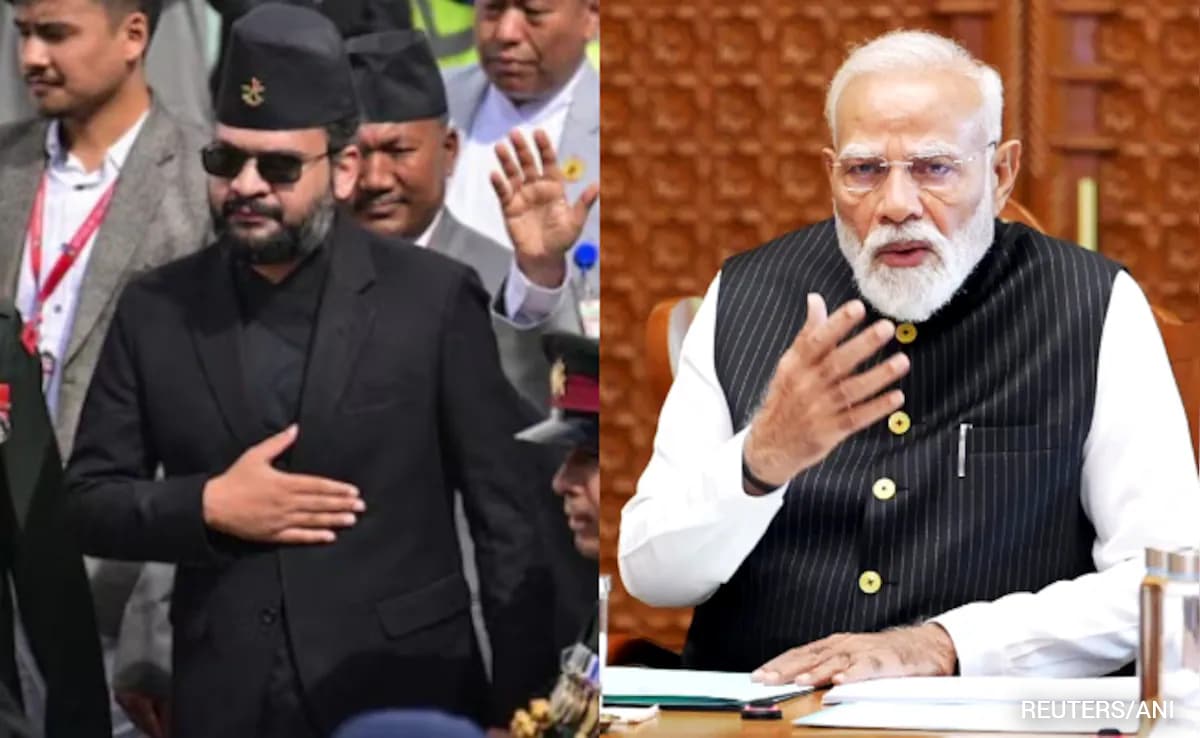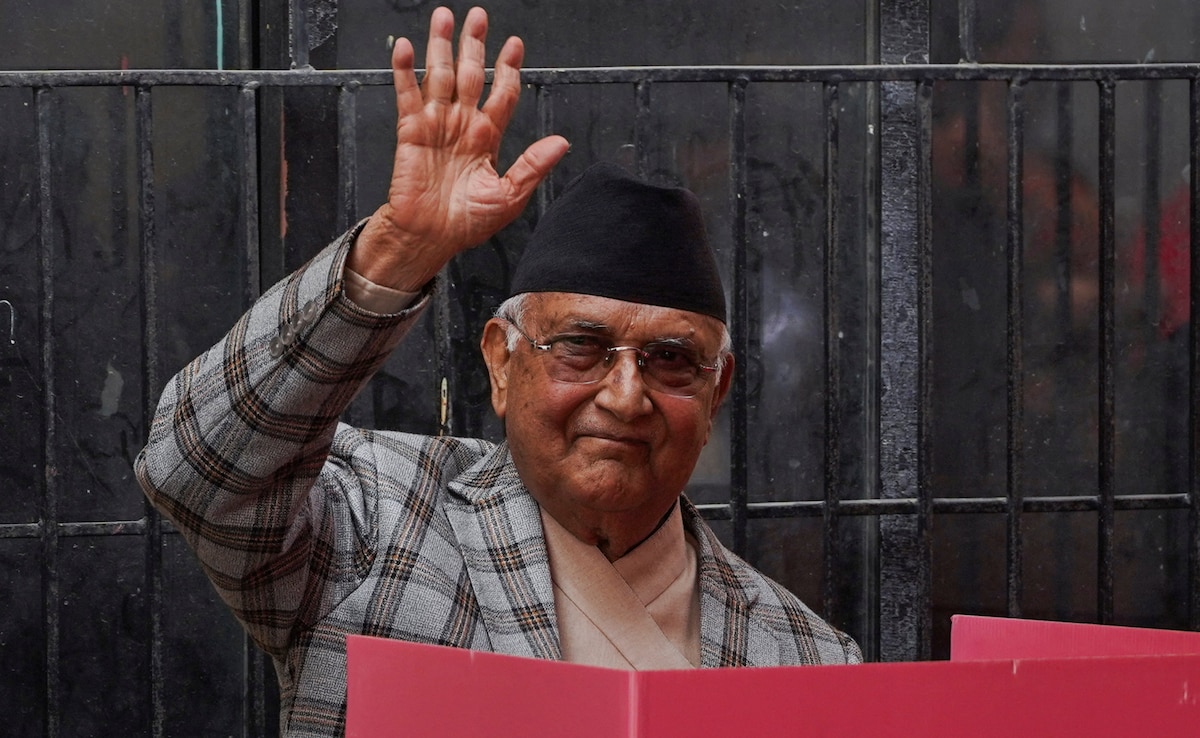
Kharga Prasad Sharma Oli once sat in a cold prison cell, watching the moonlight crawl across a stone floor. It was the 1970s. He was a young revolutionary, a man who believed that the monarchy was a suffocating shroud over the throat of Nepal. Back then, power was a dream whispered in the dark. He wasn't just a politician; he was a survivor of the "Jhapa Movement," a firebrand who spent fourteen years behind bars for the audacity of wanting a different map for his country.
When you spend over a decade in a cage, you learn two things. You learn how to wait. And you learn the absolute, intoxicating weight of control.
Fast forward to the modern era, and the man who once stared at prison walls found himself staring out from the windows of Baluwatar, the Prime Minister’s residence. The transformation was complete. The prisoner had become the architect. But the tragedy of the Himalayan Icarus is not that he flew too high—it is that he forgot the ground is always waiting to reclaim what it lent.
The Architect of a New Pride
To understand why people once cheered for Oli, you have to understand the specific ache of being a landlocked nation. Nepal sits squeezed between two giants, India and China. For decades, the country felt like a courtyard that everyone walked through but no one respected.
Then came 2015.
A devastating earthquake had turned the Kathmandu Valley into a graveyard of dust and brick. In the midst of this grief, a constitutional crisis led to an unofficial blockade at the southern border. Fuel stopped. Medicine stopped. The lights went out. In the freezing mountain air, families cooked over wood fires because the gas canisters were empty.
Oli stepped into this vacuum of despair. He didn't just offer policy; he offered a spine. He stood up to New Delhi. He signed transit treaties with Beijing. He promised ships on the high seas flying the Nepali flag and trains piercing through the Himalayas. For a teenager in a remote village in Humla or a shopkeeper in the crowded alleys of Asan, Oli wasn't just a Prime Minister. He was the personification of "Swayambhu"—self-existent pride.
He spoke in proverbs. He used a sharp, rustic wit that made the elite in Kathmandu wince and the common man roar with laughter. He was the grandfather who told you that your house was finally your own.
The House That Divided Itself
Power is a strange alchemy. It can turn a revolutionary into a king without him ever putting on a crown.
By 2018, Oli sat atop a political behemoth. His party, the CPN-UML, had merged with the former Maoist rebels to form the Nepal Communist Party (NCP). It was a super-majority. It was the kind of power Nepalis hadn't seen in generations. Stable. Unmovable. Or so it seemed.
The problem with building a house on a foundation of ego is that there is never enough room for two architects. Oli shared the stage with Pushpa Kamal Dahal, known by his nom de guerre, Prachanda. Imagine two apex predators forced to live in the same small thicket. The deal was simple: they would swap the Prime Minister’s chair halfway through the term.
But Oli, remembering those fourteen years in a cell, was not a man who gave up chairs easily.
He began to bypass his own party. He governed through a kitchen cabinet of loyalists. The "Grand Design" started to look more like a bunker. When the party pushed back, he didn't negotiate. He struck. In December 2020, in a move that sent shockwaves through the cafes of Patan and the embassies of Maharajgunj, he dissolved Parliament.
He broke the very machine he had spent his life trying to build.
The High Court and the Low Blows
Imagine a climber who cuts his own safety rope because he thinks it’s holding him back. That was Oli in early 2021.
The Supreme Court of Nepal became the final referee. In a landmark ruling, they told the Prime Minister he couldn't just throw away the legislature because he was having a bad day with his colleagues. They reinstated Parliament. But the damage was done. The NCP, that massive "double-pilot" jet, didn't just land roughly; it disintegrated in mid-air. The party split. The alliances curdled.
Suddenly, the man who promised 100 years of stability was presiding over a circus.
The human cost of this political theater was immense. While the leaders in Kathmandu were counting heads for a vote of no confidence, the Delta variant of COVID-19 was sweeping across the border. Oxygen cylinders became more valuable than gold. People were dying in hospital parking lots while the government was busy filing petitions and counter-petitions.
The "Nationalist Hero" started to look like a man obsessed with the mirror. He spent time inaugurating half-finished projects and claiming that Lord Ram was born in Nepal, a move seen by many as a desperate attempt to use religion to distract from a crumbling administration.
The Fall into the Grey
The end didn't come with a bang. It came with a signature from a judge.
In July 2021, the Supreme Court issued a mandamus. They didn't just tell Oli he was wrong; they ordered the appointment of his rival, Sher Bahadur Deuba, as Prime Minister. Oli was ousted. Not by the voters, initially, but by the very institutions of the democracy he had helped shape.
He retreated to his private residence in Balkot. From his balcony, he looked down at a sea of supporters, still defiant, still claiming he was the victim of a grand conspiracy. But the air had changed. The invincible aura was gone.
The subsequent years have been a shadow play. He has cycled in and out of coalitions, playing the role of the kingmaker, then the king, then the exile. But the arrest of high-ranking officials close to the power centers—specifically regarding the fake Bhutanese refugee scam—shifted the narrative from political maneuvering to something much darker.
When the law begins to knock on the doors of those who thought they were the law, the transition is violent. For Oli, the fall wasn't just about losing an office. It was about the slow realization that the "Iron Gate" of the Nepali state, which he once fought to open for the people, was now closing on his own legacy.
The Ghost in the Machine
Walking through Kathmandu today, you see the remnants of the Oli era. You see the wide roads he pushed for, and you see the half-built bridges that stand as skeletal monuments to a vision that ran out of time.
There is a specific kind of silence that follows a populist leader’s retreat. It is the silence of a public that realized that "Samriddha Nepal, Sukhi Nepali" (Prosperous Nepal, Happy Nepali) was a beautiful poem written by a man who forgot how to read the room.
Oli’s story is a warning about the fragility of the "strongman" archetype. In a country defined by its peaks, the higher you climb, the thinner the air becomes. You start to hallucinate. You start to think that the wind is your own voice.
He remains a titan of Nepali politics, a man of undeniable intellect and grit. But his journey from the isolation of a 1970s jail cell to the isolation of a 2020s palace is a circle that no one intended to draw. It is the story of a man who conquered his enemies only to find that his greatest rival was the version of himself that couldn't let go.
The moonlight still crawls across the floors of Nepal’s prisons, and it still illuminates the halls of Baluwatar. The only difference is who is watching it, and what they fear most when the sun finally goes down.
Would you like me to analyze the specific legal precedents set by the Nepal Supreme Court during this period?