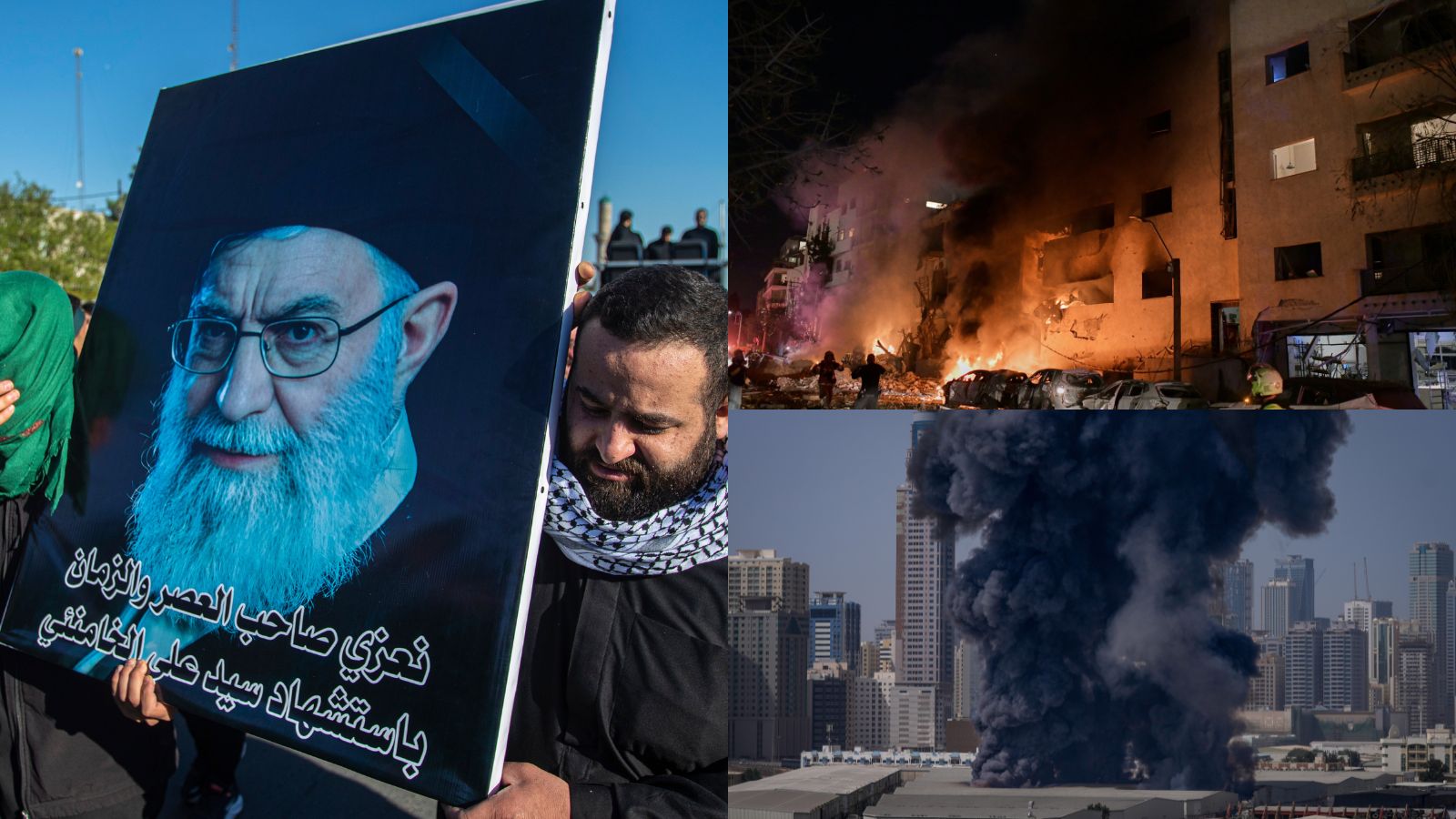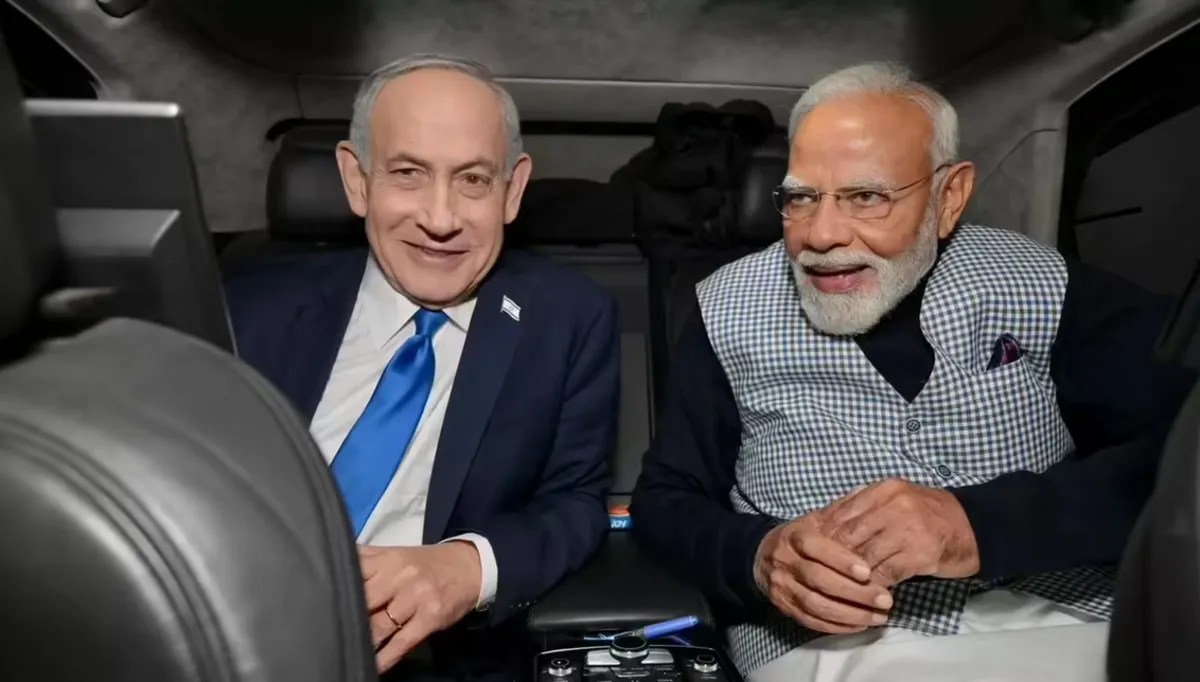
New Delhi is no longer just a spectator in the Middle East. When Prime Minister Narendra Modi picks up the phone to call Benjamin Netanyahu, the conversation transcends the standard diplomatic script of "expressing concern." This recent dialogue occurs at a friction point where India’s historic commitment to a two-state solution meets its modern, indispensable strategic partnership with Israel. The primary takeaway from this high-level exchange is that India is positioning itself as a pragmatic mediator capable of speaking hard truths to a close ally while simultaneously securing its own maritime and economic interests in a volatile corridor.
The Strategic Shift From Silence to Engagement
For decades, Indian foreign policy regarding the Israel-Palestine conflict was defined by a cautious distance. That era ended abruptly. The current administration has integrated Israel into its core security architecture, yet the ongoing conflict in Gaza and the surrounding region presents a unique set of headaches for South Block.
Modi’s outreach serves a dual purpose. First, it reinforces India’s stance against terrorism—a position that aligns perfectly with Israel’s current military objectives. Second, it acts as a pressure valve. By engaging Netanyahu directly, Modi can advocate for humanitarian pauses and the protection of civilians without appearing to join the chorus of Western critics that Jerusalem often ignores. This is the art of the "trusted friend" intervention. It carries more weight than a thousand UN resolutions because it happens behind closed doors between leaders who share a personal rapport.
The timing of these calls often coincides with shifts in regional stability that affect the Indian subcontinent. It is never just about the war in the Levant. It is about the ripple effects.
Maritime Chokepoints and the Economic Undercurrent
While the headlines focus on the humanitarian crisis, the analysts in the room are looking at the charts of the Red Sea. India’s trade routes are under direct threat from Houthi rebels and other non-state actors emboldened by the prolonged conflict.
The instability in the Bab el-Mandeb strait has sent shipping insurance premiums through the roof. For an economy that relies heavily on the timely arrival of energy imports and the export of refined petroleum products, a regional wildfire is an existential threat to the GDP. When Modi speaks to Netanyahu about the "situation in the region," he is also talking about the safety of Indian-flagged vessels and the millions of Indian workers currently stationed in the Middle East.
The IMEC Factor
The India-Middle East-Europe Economic Corridor (IMEC) was meant to be the centerpiece of India’s global trade strategy. The conflict has effectively put that project on ice.
- Logistics: The planned rail and shipping links require a stable Israel and a cooperative Saudi Arabia.
- Geopolitics: Normalization between Arab nations and Israel is the fuel that IMEC needs to run.
- Security: No investor will fund a multi-billion dollar corridor that passes through a combat zone.
Modi’s diplomacy is an attempt to salvage the long-term viability of this corridor. He needs the war to end not just for peace, but for the sake of a trade route that serves as India’s primary alternative to China’s Belt and Road Initiative.
Balancing the Domestic and the Global
The Indian government faces a complex balancing act at home. India has a massive Muslim population that feels a deep, historical connection to the Palestinian cause. Simultaneously, a growing segment of the middle class views Israel as a role model for national security and technological self-reliance.
The messaging must be precise. By emphasizing the "return of hostages" and "humanitarian aid" in the same breath as "counter-terrorism," the Prime Minister manages to navigate these internal political waters. It is a masterclass in staying relevant to all sides without committing to a position that would alienate a key partner.
The Defense Relationship is the Bedrock
Behind the diplomatic niceties lies a massive defense trade. Israel is one of India's top three arms suppliers. We aren't just talking about small arms; we are talking about the "Phalcon" AWACS, "Heron" drones, and "Barak" missile systems that guard the Line of Actual Control.
- Technology Transfer: Unlike many Western nations, Israel is often willing to share the "source code" of its tech.
- Co-development: The "Make in India" initiative relies heavily on Israeli joint ventures.
- Intelligence Sharing: The two nations have a seamless flow of data regarding extremist movements.
If the conflict in the Middle East escalates into a full-scale regional war involving Iran, these supply chains could be disrupted. India cannot afford a distracted Israel. Every phone call is a check-up on the health of a military-industrial lifeline.
The Myth of the Neutral Observer
There is a common misconception that India is trying to remain neutral. That is an oversimplification. India is being active, not neutral. Neutrality implies standing back; India is leaning in.
The government has explicitly condemned the October 7 attacks as terrorism, a move that set it apart from many of its neighbors in the Global South. However, it has also voted for ceasefire resolutions when the civilian death toll became impossible to ignore. This isn't flip-flopping. It is the calculated movement of a nation that realizes its own rise is tied to global stability.
The Regional Power Vacuum
As the United States struggles to maintain its traditional role as the sole mediator in the Middle East, a vacuum has formed. China has attempted to step in, notably brokering the Iran-Saudi deal. India cannot allow Beijing to become the primary diplomatic arbiter in a region where India has far deeper cultural and historical ties.
Every time Modi talks to Netanyahu, he is signaling to the world—and specifically to the Arab capitals in Riyadh and Abu Dhabi—that India is a serious player with a seat at the high table. He is demonstrating that India can maintain a deep security bond with Israel while remaining a credible voice for the Global South.
Looking at the Hard Reality
The brutal truth is that India’s influence over Israel’s military decisions is limited. No amount of "strong words" from New Delhi will stop a military operation that Jerusalem deems necessary for its survival. However, India holds a different kind of leverage: Legitimacy.
In an increasingly polarized world, India’s continued friendship provides Israel with a bridge to the non-Western world. For India, the relationship provides a technological edge and a strategic counterweight in Asia. This is a partnership of necessity, forged in the fires of shared security concerns.
The calls will continue. The diplomatic cables will fly. But the underlying reality remains unchanged: India is protecting its own interests by trying to prevent a regional collapse that would derail its path to becoming a $5 trillion economy. The phone calls are just the visible tip of a very deep and complex iceberg.
The next time a headline appears about a conversation between these two leaders, look past the quotes about "peace and stability." Look instead at the shipping lanes in the Arabian Sea, the defense contracts in the pipeline, and the desperate need for a stable Middle East to fuel India's domestic growth.
Monitor the movement of Indian naval assets in the North Arabian Sea for the most accurate gauge of how these talks are actually progressing.