Washington is playing a dangerous game of follow-the-leader in the Middle East. Recent warnings from Gulf officials suggest the United States is being pulled into an unlawful war between Israel and Iran. This isn't just about regional squabbles. It's about how a single miscalculation could set the entire global economy on fire. If you think this is just another headline, you aren't looking at the map.
The reality is simple. Gulf states like Qatar and the UAE are terrified. They see the writing on the wall. They’ve spent decades building shiny cities and massive energy hubs. Now, they’re watching Israel and Iran trade blows while the U.S. provides the muscle. It’s a recipe for a disaster that no one—not even the Pentagon—seems to have a clear exit strategy for.
Why the Gulf is Sounding the Alarm
Middle Eastern leaders aren't usually this blunt. When a Gulf state says the U.S. is being "dragged" into a war, they mean the situation is slipping out of control. They’re worried about their own sovereignty. They don't want to be the launchpad for a war they didn't sign up for.
For years, the U.S. has maintained a massive footprint in the region. We have bases in Bahrain, Qatar, and Kuwait. These locations are supposed to "deter" aggression. Instead, they’ve become targets. If Israel pushes too hard and Iran decides to swing back, those bases are the first things in the line of fire. Gulf officials are basically telling Washington to put a leash on the escalation before the entire neighborhood goes up in smoke.
The Legal Black Hole of Modern Warfare
Is this war even legal? That’s the question haunting international lawyers right now. Under the UN Charter, a state can only use force in self-defense or if the Security Council says so. But the "gray zone" between shadow wars and full-blown conflict is getting murky.
Israel claims its strikes are preemptive self-defense. Iran claims its retaliations are justified. The U.S. says it's just "supporting an ally." Somewhere in the middle, the law gets buried. When the Gulf states call this an "unlawful war," they’re pointing out that there was no formal declaration and no clear international mandate. It’s a free-for-all. This lack of legal framework makes it almost impossible to find a diplomatic off-ramp.
The Oil Factor and Your Wallet
Let’s talk about what actually moves the needle for most people: money. The Strait of Hormuz is the world's most important oil transit point. About 20% of the world's total petroleum consumption passes through there.
If a full-scale war breaks out, Iran has the capability to harass or even block shipping in the strait. We’ve seen them do it with small fast-attack boats and mines before. Imagine what happens to gas prices if that supply line gets cut off. You aren't just looking at $5 a gallon; you're looking at a global recession. The Gulf states know this better than anyone. Their entire business model relies on the world being able to buy their oil safely. A war with Iran makes that impossible.
Miscalculations and the Domino Effect
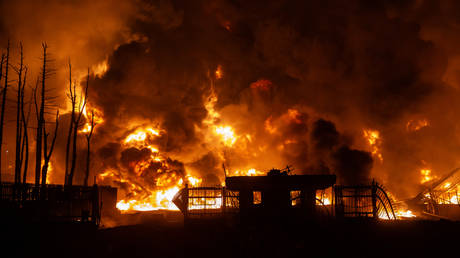
Wars rarely go according to plan. History is full of "quick" conflicts that turned into decade-long quagmires. The risk here isn't just a direct hit on a nuclear facility. It's the accidental sinking of a civilian tanker. It's a stray missile hitting a crowded city center.
Iran isn't a pushover. They have the largest missile arsenal in the Middle East. They have proxy groups like Hezbollah and the Houthis who can strike from multiple directions. If Israel and Iran go into a total war, the U.S. won't just be "supporting" Israel from the sidelines. We will be forced to intercept thousands of incoming projectiles. We will be forced to strike launch sites inside Iranian territory. At that point, the "unlawful war" the Gulf is worried about becomes a reality.
The Shift in Alliances
Something interesting is happening behind the scenes. The Gulf states are starting to talk to Iran more. They’re hedging their bets. They see the U.S. as an unreliable partner that might flip-flop depending on who's in the White House.
Saudi Arabia and Iran recently restored ties in a deal brokered by China. That was a massive wake-up call for Washington. It showed that the region is looking for its own solutions because they don't trust the U.S.-Israel axis to keep the peace. If the U.S. continues to let Israel dictate the pace of escalation, it might find itself with fewer friends in Riyadh and Abu Dhabi.
What Happens if the Diplomacy Fails
If diplomacy fails, the fallback is "maximum pressure." But we’ve seen that before. It didn't stop Iran's nuclear program, and it didn't stop their regional influence. In fact, it arguably made them more aggressive.
The current path leads to a direct confrontation. There's no way around it. Israel feels its existence is threatened by a nuclear-capable Iran. Iran feels its survival depends on pushing the U.S. out of the region. It's an unstoppable force meeting an immovable object. The Gulf states are just trying to make sure they aren't the ones crushed in the middle.
Tracking the Escalation
You need to watch the specific types of military hardware being moved into the region. It’s not about the rhetoric; it’s about the logistics. Look for increases in THAAD missile defense batteries and carrier strike groups. These aren't defensive posturing; they’re preparation for a high-intensity conflict.
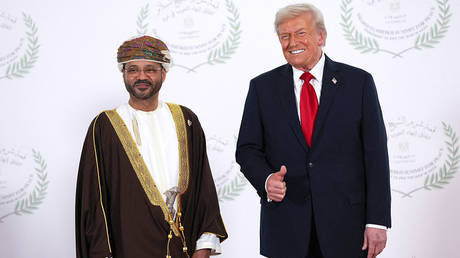
Keep an eye on the diplomatic backchannels in Oman. Oman has historically been the "bridge" between the U.S. and Iran. If those talks go silent, that’s when you should start worrying. The silence is usually the loudest warning sign in the Middle East.
Start paying attention to the rhetoric coming out of the UN Security Council regarding maritime security. If the international community can't agree on how to protect shipping lanes, the private insurance market will do the work for them. When insurance premiums for tankers in the Gulf skyrocket, you'll see the impact at your local gas station within weeks. The time to prepare for the economic fallout of a regional war is before the first shot is fired, not after. Stay informed by following regional experts who understand the nuances of Gulf domestic politics, rather than just Western defense analysts who only see the world through a tactical lens.