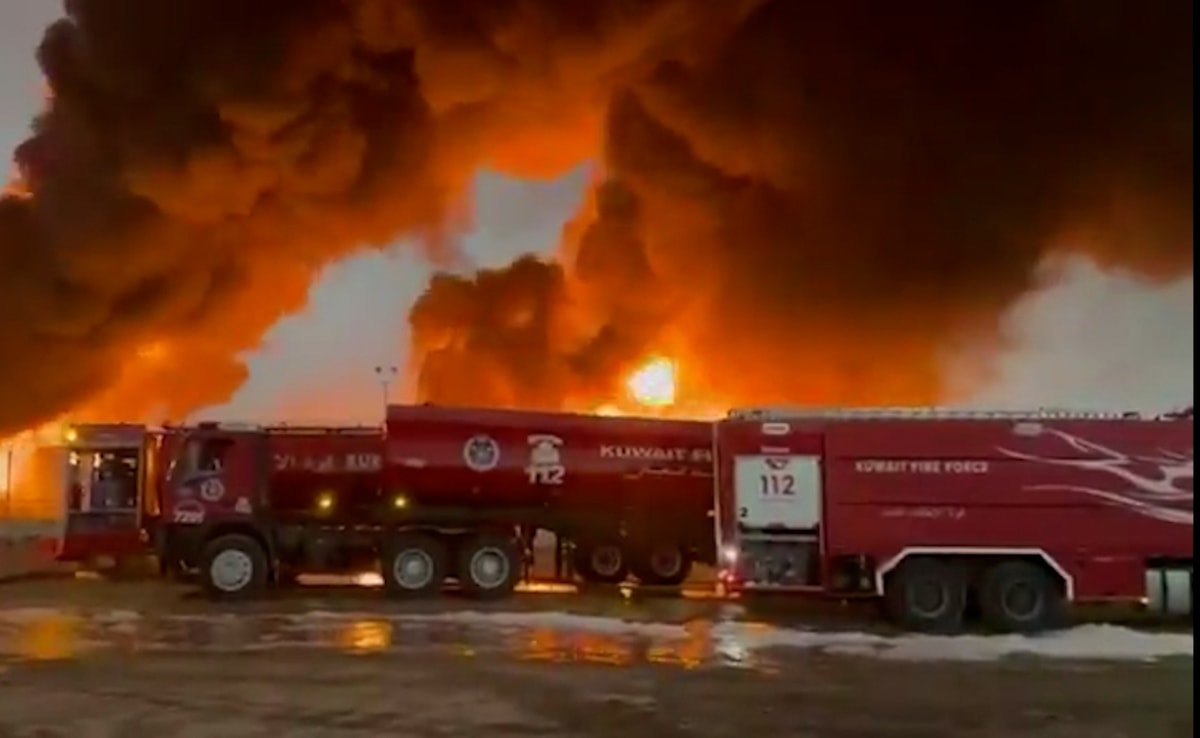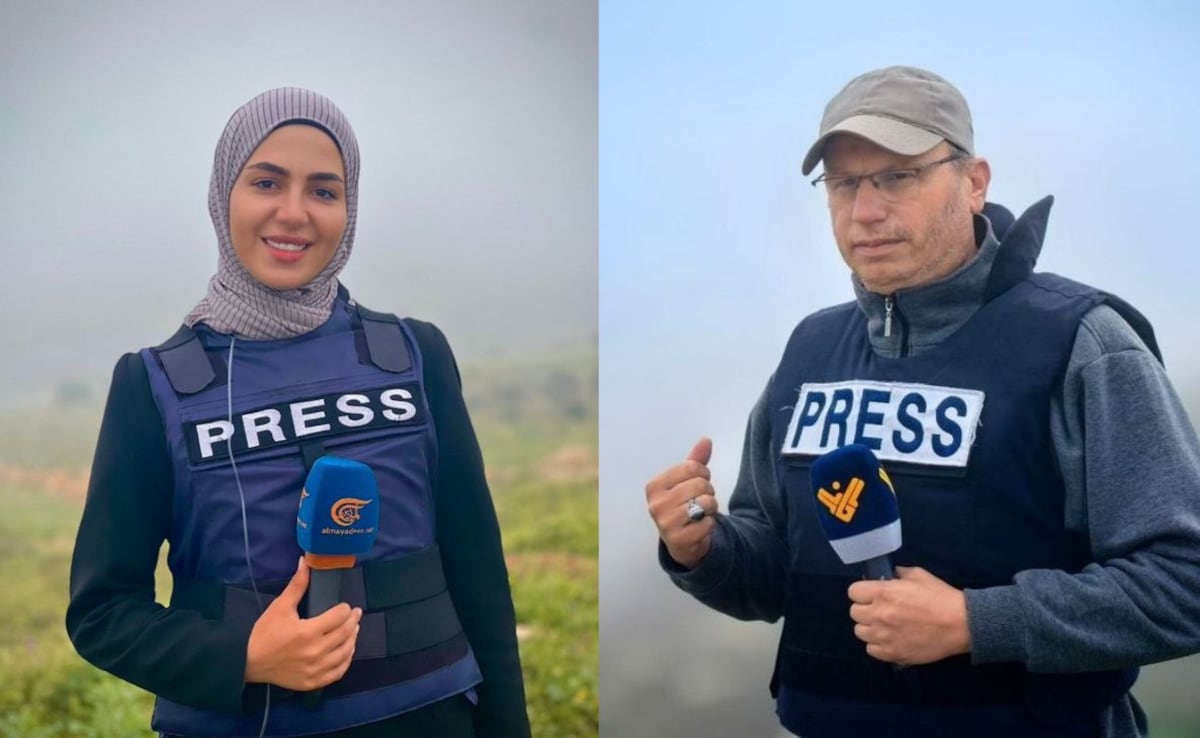
The overnight air strike on a guesthouse in Hasbaya, South Lebanon, killed three media professionals in their sleep. This was not a crossfire incident. It was a precision hit on a location known to house over a dozen journalists from various international and local outlets. While the Israeli Defense Forces (IDF) later claimed that one of the deceased was an active member of Hezbollah, the incident highlights a terminal breakdown in the traditional "deconfliction" protocols that once protected the press in high-intensity conflict zones.
The three men killed—camera operator Ghassan Najjar, technician Mohammed Rida of Al-Mayadeen, and camera operator Wissam Qassem of Al-Manar—were part of a larger press contingent that moved to Hasbaya specifically because the town had remained largely untouched by the violence further south. They believed the location was safe. They were wrong.
The Geography of a Targeted Strike
Hasbaya sits in a strategic pocket of Southeast Lebanon, traditionally seen as a neutral or multi-confessional area. For weeks, reporters used the local tourist bungalows as a makeshift hub. They parked their cars, clearly marked with "PRESS" in bold neon lettering, in the open lots. Satellite imagery and ground reports confirm that the strike hit the specific building where the crew was resting, leaving neighboring structures largely intact.
This level of precision suggests a deliberate choice. The IDF’s justification hinges on the "Hezbollah member" label, a recurring theme in the current campaign. By categorizing media workers from outlets like Al-Manar (which is affiliated with Hezbollah) or Al-Mayadeen (pro-resistance) as combatants, the military creates a legal gray area that effectively treats a camera as a weapon.
This shift in classification is a direct threat to the safety of all journalists in the region. If the affiliation of the employer determines whether a journalist is a legitimate target, the very concept of "press protection" under international law evaporates. Most legal experts agree that unless a media worker is directly participating in hostilities—meaning they are carrying a rifle, not a tripod—they retain their civilian status.
The Intelligence Gap and the Verification Problem
Military spokespeople frequently cite "intelligence-based strikes" to justify the deaths of non-combatants. However, the threshold for that intelligence is rarely made public. In the Hasbaya case, the claim that one technician or cameraman held a dual role serves as a retroactive shield for the operation. It bypasses the more uncomfortable question: did the military know they were firing on a recognized press hub?
The reality of modern warfare in Lebanon is that the lines between civil society, political movements, and armed wings are often blurred. Thousands of people hold jobs in media, healthcare, or municipal services for organizations that have an armed component. If every employee of a Hezbollah-linked entity is considered a fair target regardless of their immediate activity, the casualty list will continue to expand into the thousands, encompassing anyone from a news anchor to a garbage collector.
The Silence of Deconfliction
Deconfliction is the process where NGOs, UN bodies, and press pools share their GPS coordinates with warring parties to avoid "accidental" hits. In theory, it is a life-saving exchange of data. In practice, it has become a list of targets for those who view neutral observers as an obstacle to their narrative.
Journalists on the ground in South Lebanon report a growing sense of futility regarding these safety measures. They wear the blue vests. They drive the marked SUVs. Yet, the frequency of strikes near or on press convoys suggests that these markers are being used to track, rather than protect. The Hasbaya strike occurred at 3:00 AM. There was no active battle in the immediate vicinity. The journalists were in bed.
The Erosion of International Pressure
Historically, the killing of three journalists in a single strike would trigger a diplomatic firestorm. That firestorm has been replaced by a weary, repetitive cycle of "investigation" promises that rarely yield results. The international community’s appetite for holding states accountable for the deaths of reporters is at an all-time low.
When a state actor claims a journalist was a "terrorist," it effectively silences much of the Western media's advocacy. The burden of proof shifts to the dead. They cannot defend their resumes from the rubble. This creates a chilling effect that extends far beyond the borders of Lebanon. It tells every reporter in every conflict zone that their press card is no longer a shield, but a bullseye.
The Economic and Psychological Toll on Local Media
While international correspondents often have the backing of major networks and the option to evacuate, local Lebanese journalists are the ones bearing the brunt of this escalation. They are the eyes and ears on the ground, often working with minimal gear and no insurance.
The death of technicians like Mohammed Rida is particularly telling. Technicians are the invisible backbone of the industry. They don't appear on screen. They don't sign editorials. They simply ensure the signal goes out. Killing the technical staff is a highly effective way to shut down a station’s ability to broadcast without having to bomb the main headquarters in a crowded city like Beirut.
Redefining the Rules of Engagement
The Hasbaya incident is a pivot point. It signals that "safe zones" are a myth and that the "Hezbollah" label will be used broadly to justify strikes on any infrastructure—including media—associated with the group’s sphere of influence.
If the objective is to blind the world to the realities of the ground war, targeting the press hub in Hasbaya was a logical, if brutal, tactical move. It forced other outlets to reconsider their presence in the south, leading to a vacuum of information. When the journalists leave, the only narrative that remains is the one provided by the combatants themselves.
The international press corps must now decide if they will accept this new status quo. Accepting the "member of Hezbollah" defense without demanding rigorous, independent proof is a concession that will eventually be used against journalists of all stripes, regardless of their employer.
The debris in Hasbaya has been cleared, but the message remains. The "PRESS" stickers on the roofs of the cars in that courtyard didn't fail to be seen; they were seen and disregarded. This isn't a failure of technology or a "fog of war" error. It is a deliberate recalibration of what—and who—is considered a valid target in a total war.
The next time a press guesthouse is struck, the justification will already be written. The precedent has been set.