Journalists don't usually expect to die in their sleep while staying in a "safe" zone. But that’s exactly what happened in Hasbaya, a town in southeast Lebanon that had largely avoided the brunt of the fighting until a 3 a.m. airstrike changed everything. Three media workers were killed instantly when a missile tore through a resort housing more than a dozen reporters from multiple international and local outlets.
This wasn't a stray bullet in a crossfire. It was a precision strike on a compound where cars were clearly marked "Press" and where journalists had been living and broadcasting for weeks.
The Night the Press Became the Target
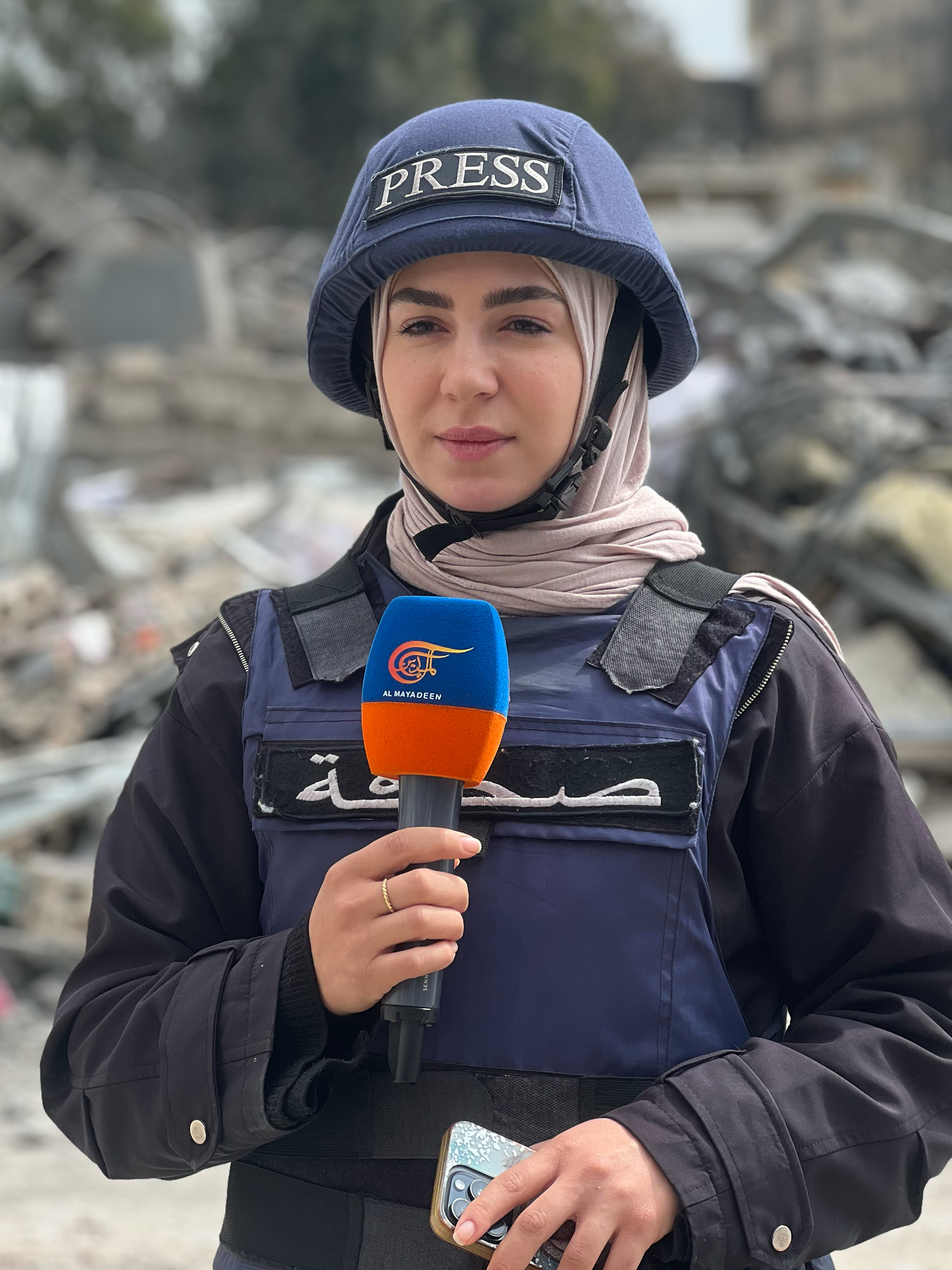
The October 25 attack targeted the Hasbaya Village Club, a collection of chalets that had become a makeshift hub for the media. While the rest of southern Lebanon was being pummeled, Hasbaya was considered relatively secure. That sense of security vanished when the ceiling collapsed on Ghassan Najjar, a cameraman, and Mohammed Rida, a broadcast technician, both with Al Mayadeen. Wissam Qassim, a camera operator for Al Manar, also lost his life in the blast.
Witnesses described a scene of absolute chaos. Reporters who survived the initial explosion woke up to the smell of explosives and the sound of crumbling concrete. One Al Jazeera camera operator, Ali Mortada, described waking up to the literal weight of his room falling on him. Outside, the courtyard was a graveyard of twisted metal and dust-covered SUVs with "TV" taped to the hoods.
Why the "Accident" Narrative Doesn't Hold Up
The Israeli military's initial response was a familiar one: the incident is "under review." They later claimed they were targeting "terrorists," a label they've frequently applied to journalists working for outlets like Al Manar, which is affiliated with Hezbollah. But here's the problem with that logic under international law.
- Civilian Status is Non-Negotiable: Even if a news outlet is considered biased or a mouthpiece for a political group, the people operating the cameras and microphones are civilians. Unless they're picking up a rifle, they're off-limits.
- The JDAM Factor: Human Rights Watch later identified the weapon used as a US-made Joint Direct Attack Munition (JDAM). These aren't "dumb" bombs that miss by a mile. They're guided kits meant for surgical strikes. Using one on a known media compound suggests intent, not an oversight.
- No Warning Given: In many other instances, the IDF has issued evacuation orders for buildings. In Hasbaya, there was zero communication. The strike happened while the targets were in bed.
The Growing Pattern of Impunity
This wasn't an isolated tragedy. It’s part of a lethal trend. Since the current conflict erupted, Lebanon has seen its press corps decimated. We saw it in October 2023 when Reuters videographer Issam Abdallah was killed by tank fire. We saw it again in November 2023 when Al Mayadeen’s Farah Omar and Rabih Al-Maamari were struck down.
By the time we hit 2026, the data shows that the Middle East has become the deadliest place for journalists in modern history. Organizations like the Committee to Protect Journalists (CPJ) have been screaming into the void about this for years. They've documented a "disturbing pattern" of accusing journalists of being combatants to justify strikes without ever presenting a shred of evidence.
Honestly, the message being sent is pretty clear: the "Press" vest isn't a shield anymore. It’s a bullseye.
What This Means for the Future of War Reporting
If you can't trust that a designated media house in a non-combat zone is safe, you stop reporting from the front lines. That’s likely the point. When journalists are killed with impunity, the "chilling effect" isn't just a metaphor—it’s a blackout. Without these camera operators on the ground in places like Hasbaya or Nabatiyeh, the world only sees what the warring militaries want them to see.
Taking Action for Media Protection
We can't just move on to the next headline. If you care about knowing what's actually happening in conflict zones, there are a few things that need to happen now.
- Demand Independent Probes: Internal military reviews are basically the "we investigated ourselves and found we did nothing wrong" meme. Support calls by HRW and Amnesty International for independent, international investigations.
- Pressure Arms Suppliers: The use of JDAMs in this strike puts the spotlight on the US. If American weapons are being used to kill journalists in their sleep, the "business as usual" approach to arms transfers needs to end.
- Support Press Freedom Groups: Organizations like CPJ and Reporters Without Borders (RSF) are the only ones keeping a tally of these crimes. They provide the legal and financial support that keeps local journalists in the field.
The strike in Hasbaya wasn't just an attack on three men. It was an attempt to bury the truth under a pile of rubble. Don't let the silence be the final word. Reach out to your local representatives and ask why international humanitarian law is being treated as a suggestion rather than a requirement.