The pretense of neutrality is evaporating in the Middle East. For years, Saudi Arabia and the United Arab Emirates (UAE) performed a high-stakes balancing act, trying to bridge the gap between their security alliance with Washington and a fragile détente with Tehran. That act just hit a wall. According to recent reports from the Wall Street Journal, the two Gulf heavyweights are no longer just spectators. They’re quietly, yet decisively, shifting their posture to support the U.S.-Israeli campaign against Iran.
This isn't just about rhetoric anymore. It’s about hardware and logistics. Saudi Arabia has reportedly opened up King Fahd Air Base to U.S. military operations, a move they’ve resisted for a long time to avoid being seen as a launchpad for Western aggression. Meanwhile, the UAE is dismantling Iranian influence from the inside, shutting down Iranian-owned hospitals and clubs that have long served as soft-power hubs for Tehran. If you’ve been watching the region, you know these aren't small tweaks. They're signals that the Gulf has decided Iran is a bigger threat than the fallout of a regional war.
The end of strategic patience
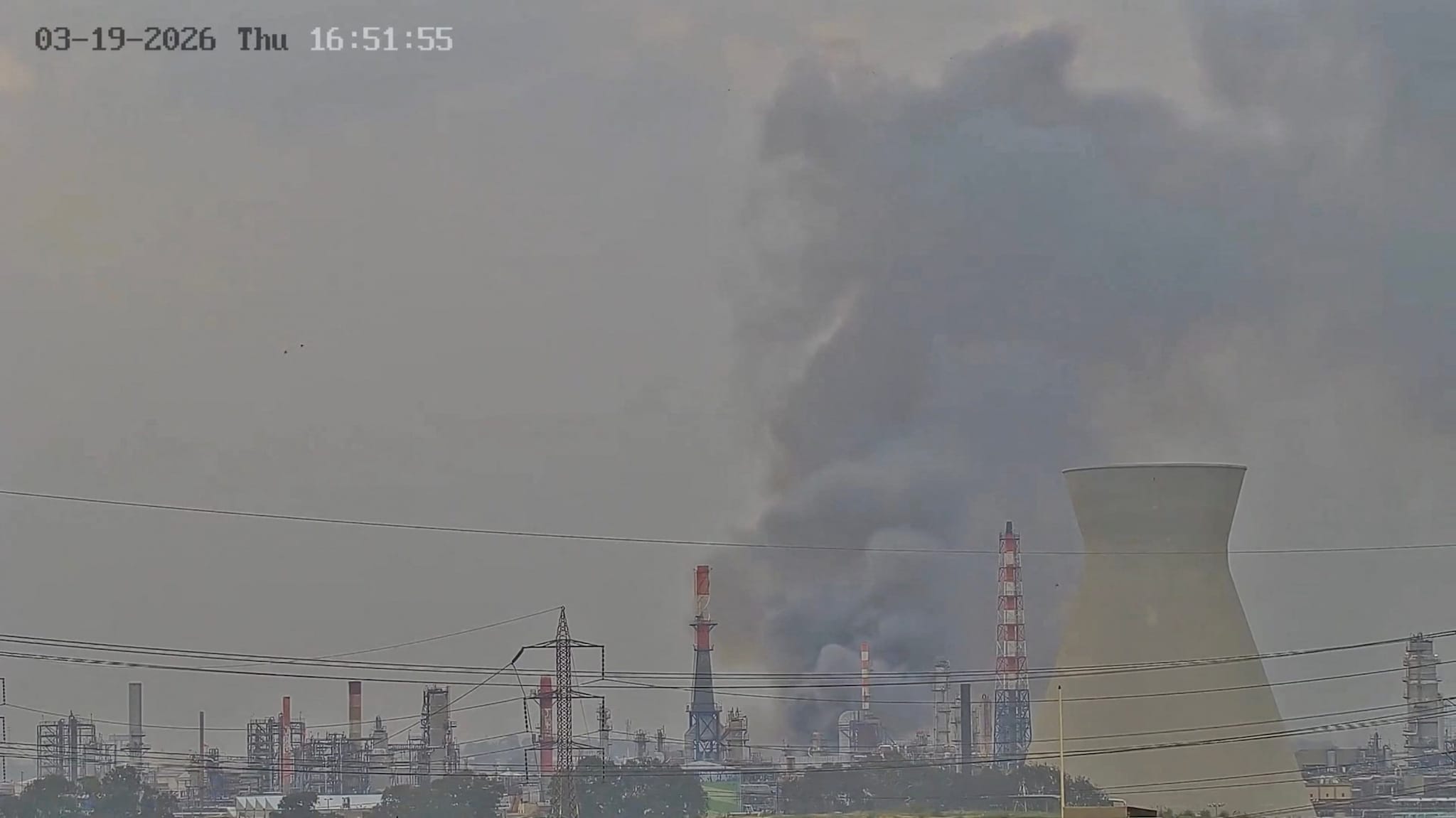
Why now? It’s simple. Iran’s "deterrence" strategy backfired. Instead of keeping the Gulf states on the sidelines by threatening their oil fields, Tehran’s recent missile and drone strikes on Riyadh and Abu Dhabi forced their hands. You can only get hit so many times before you realize that staying "neutral" isn't actually protecting you.
The logic in Riyadh and Abu Dhabi has shifted from "don't provoke Iran" to "Iran is already attacking us, so we might as well win." The 2026 Iran war, sparked by the massive U.S.-Israeli strikes in February, has created a "with us or against us" environment that doesn't leave room for the middle ground.
Saudi Arabia’s quiet green light
The decision to grant access to King Fahd Air Base is the biggest indicator of this shift. For months, the Kingdom insisted its soil wouldn't be used for strikes on Iran. They wanted to protect the 2023 normalization deal brokered by China. But after Iranian missiles targeted Saudi energy sites like Samref, the math changed.
The U.S. military needs that footprint. It provides the depth and refueling capabilities necessary for a sustained aerial campaign. By saying yes, Saudi Arabia is effectively joining the coalition, even if they don't hold a joint press conference with Benjamin Netanyahu to announce it.
The UAE’s internal crackdown
The UAE is taking a different, perhaps more surgical, approach. Abu Dhabi has always been more pragmatic about its relationship with Iran, given the massive trade volumes and the large Iranian expat population in Dubai. But the recent closure of the Iranian Hospital and the Iranian Club in the Emirates shows that "business as usual" is dead.
These institutions weren't just for healthcare or socializing. They were nodes of Iranian intelligence and financial influence. By cutting them off, the UAE is telling Tehran that the days of using Emirati soil to fund or coordinate activities are over. It's a domestic "cleansing" of Iranian assets that mirrors the military escalation happening in the skies.
What this means for the global oil market
If you're wondering why your gas prices are jumping, look at the Strait of Hormuz. Iran has effectively shut it down, or at least made it so dangerous that insurance premiums have skyrocketed. This is the ultimate "choke point" of the world economy.
- Non-Persian Gulf ports: Saudi Arabia and the UAE are trying to bypass the Strait by ramping up exports through the Red Sea and ports like Fujairah, but they can't move enough volume to stabilize the global market.
- Iranian Retaliation: Tehran has warned that if Saudi or Emirati facilities are used to support U.S. strikes, those facilities become "legitimate targets." This isn't an empty threat—they’ve already hit Yanbu and the South Pars gas field.
- US Naval Escorts: President Trump has signaled that the U.S. Navy will start escorting tankers. This is a classic "Tanker War" scenario, reminiscent of the 1980s, but with much more lethal technology.
The gamble of alignment
Let’s be real: joining this war is a massive risk for the Gulf monarchies. They’re basically betting that the U.S. and Israel can actually dismantle Iran’s missile capabilities and force a regime change or a total surrender. If the coalition fails to finish the job, Saudi Arabia and the UAE will be left living next door to a very angry, very vengeful Iranian regime without the buffer of diplomacy.
There’s also the internal risk. While many Gulf citizens view Iran as a threat, there’s still significant pushback against being seen as "Israel's air force." The optics of fighting alongside Netanyahu, especially given the lingering tensions from the Gaza and Lebanon conflicts, are brutal.
Moving beyond the headlines
The reality on the ground is that the "Axis of Resistance" is being squeezed, and the Gulf states have realized they can't hide in the basement while the house burns down. They've chosen to help the fire department.
If you're tracking this conflict, don't look for a formal declaration of war from Riyadh. Look for the flight paths of U.S. tankers and the systematic shutdown of Iranian businesses in Dubai. That’s where the real war is being fought.
The next few weeks are critical. If the U.S. can successfully reopen the Strait of Hormuz with Gulf support, Iran’s primary economic leverage vanishes. If they can’t, we’re looking at a global energy crisis that makes the 1970s look like a minor inconvenience. Keep an eye on the deployment of THAAD batteries in Qatar and the UAE—that’s the real shield for what’s coming next.