The global economy runs on a fragile straw dipped into the Persian Gulf. We like to pretend that oil prices are governed strictly by supply, demand, and the occasional Federal Reserve meeting, but the reality is much more violent. For decades, the energy infrastructure in the Gulf has been a bullseye for state actors, militias, and proxy groups. When a drone hits a processing plant in Abqaiq or a limousine-sized hole is blown into a tanker in the Strait of Hormuz, you feel it at the pump in Ohio or Lyon within hours.
Understanding which facilities have been hit isn't just a history lesson. It's a map of global vulnerability. If you think the "shale revolution" in the US made this region irrelevant, you're wrong. The world still relies on the Gulf for roughly a third of its seaborne oil. A single well-placed strike can knock out 5% of global production in an afternoon. That's not a theory. It happened.
The Day the World Realized Everything Was Vulnerable
September 14, 2019, changed the math on energy security forever. Before that morning, the Saudi Aramco facilities at Abqaiq and Khurais were considered some of the most heavily defended pieces of industrial real estate on the planet. Abqaiq is the world’s largest oil processing plant. It's the bottleneck. Almost everything extracted from the massive Ghawar field has to pass through there to be stabilized and desulfurized.
The attack wasn't a traditional airstrike. It was a coordinated swarm of 18 drones and seven cruise missiles. In a matter of minutes, Saudi Arabia lost 5.7 million barrels per day of production. That is half of their total output. Brent crude prices spiked nearly 20% the following Monday. It was the largest single intraday jump in history.
What made this strike so effective wasn't just the fire. It was the precision. The attackers didn't just hit the site; they hit the "stabilization towers." These are specialized pieces of equipment that take months, if not years, to build and install. If the Saudis hadn't kept an incredible inventory of spare parts and worked their crews to the bone, the global economy would have stalled for months.
Tanker Wars and the Chokepoint Problem
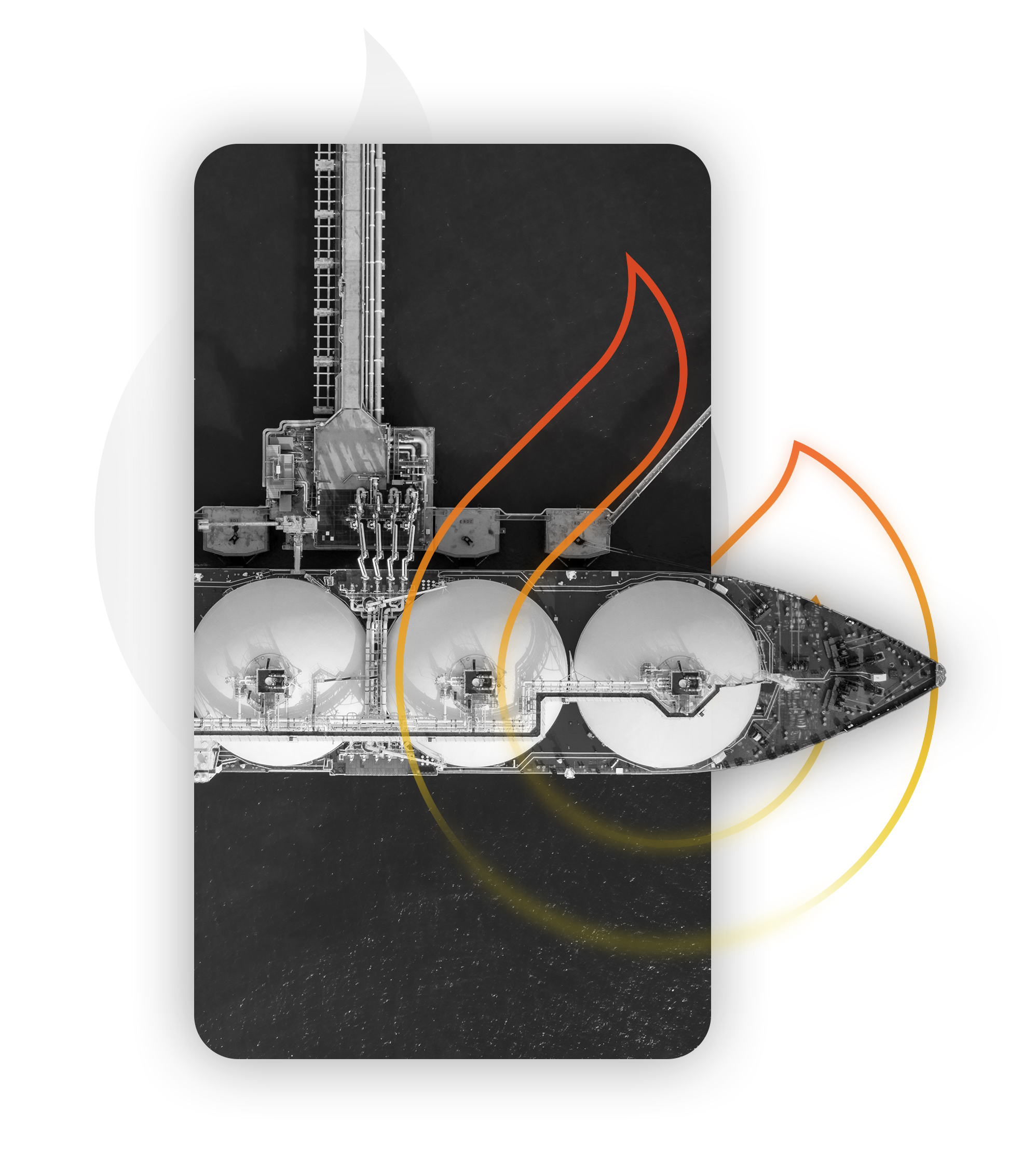
The Strait of Hormuz is only 21 miles wide at its narrowest point. About 20 million barrels of oil flow through it every day. You don't need to sink a massive tanker to cause chaos; you just need to make the insurance companies nervous.
In May and June of 2019, the maritime world saw a return to "Tanker War" tactics reminiscent of the 1980s. Four commercial vessels, including two Saudi oil tankers, were targeted off the coast of Fujairah in the UAE. Limpet mines—explosives attached to the hull by divers or small boats—were the weapon of choice. A month later, the Front Altair and the Kokuka Courageous were hit in the Gulf of Oman.
The message was clear. If the Gulf states or their Western allies squeeze certain regional players, the exit door for the world’s energy can be slammed shut. When these attacks happen, "War Risk" insurance premiums for shipping companies skyrocket. Those costs don't get absorbed by the shipping lines. They get passed to you.
The UAE’s Shift Into the Line of Fire
For a long time, the United Arab Emirates managed to stay relatively insulated from direct hits. That changed in early 2022. The Houthi movement in Yemen, using increasingly sophisticated long-range tech, targeted the Musaffah fuel depot owned by ADNOC (Abu Dhabi National Oil Company).
The strike killed three people and set off explosions in tanker trucks. It was a psychological blow. Abu Dhabi is a global hub for finance and tourism. Seeing smoke over the industrial zones of the capital shattered the image of the UAE as a safe haven in a chaotic neighborhood. Later that same month, they intercepted missiles aimed at the Al Dhafra Air Base, where US and French forces are stationed.
This shift showed that the range of the threat had expanded. The "front line" is no longer just the border. It's any pipeline, any refinery, and any loading terminal within 1,000 miles of a conflict zone.
Recent Hits You Might Have Missed
- Yanbu, Saudi Arabia (2021): A remote-controlled boat packed with explosives targeted the port. Yanbu is critical because it's the terminus for the East-West Pipeline, the backup plan for avoiding the Strait of Hormuz.
- Jeddah (2022): During a Formula 1 practice session, a Houthi missile hit an Aramco fuel distribution station. Drivers could literally see the black plumes of smoke from the track.
- Shaybah (2019): An NGL (natural gas liquids) facility in the "Empty Quarter" was hit by drones. This showed that even remote inland facilities weren't out of reach.
Why Conventional Defense is Failing
You’d think billions of dollars spent on Patriot missile batteries and high-tech radar would make these facilities invulnerable. It doesn't. Most modern air defense systems were designed to track high-flying jets or ballistic missiles. They struggle with "low and slow" threats.
A drone made of carbon fiber or plastic, flying ten feet above the desert floor, has a radar cross-section smaller than a large bird. When twenty of them come at once from different directions, the system gets overwhelmed. It's a classic case of asymmetric warfare. A drone that costs $20,000 to build can successfully disable a facility worth $20 billion. The cost-to-damage ratio is terrifyingly in favor of the attacker.
The Impact on Supply Chains and Storage
When a facility like Abqaiq gets hit, the ripples move fast. Crude oil isn't a monolithic product. Refineries are tuned to specific "blends." If a strike takes out a specific grade of Arabian Light, a refinery in South Korea might not be able to just swap in Canadian Heavy.
This creates a mad scramble for "floating storage"—tankers sitting at sea acting as mobile warehouses. If you see the price of oil stay stable after an attack, it's usually because the country hit is dipping into its strategic reserves to keep customers happy. But those reserves aren't infinite. They're a bandage, not a cure.
Managing the Risk of the Next Strike
You can't move the oil. It's in the ground where it is. But the way it's handled is changing. Saudi Arabia has been pushing to expand its East-West Pipeline capacity. The goal is to be able to move a larger chunk of their exports to the Red Sea, completely bypassing the Strait of Hormuz.
However, as we saw with the attacks in Yanbu and on the pipeline’s pumping stations (Pumping Station 8 and 9 were hit in 2019), even the bypasses have bullseyes on them. Cyberattacks are the next frontier. In 2012, the Shamoon virus wiped 30,000 hard drives at Saudi Aramco. In 2017, the Trisys malware targeted the safety controllers at a Saudi petrochemical plant. The goal wasn't to steal data; it was to cause a physical explosion by disabling the systems that prevent them.
Watching the Wires
If you want to know when the next supply shock is coming, don't look at the OPEC+ quotas first. Watch the security reports coming out of the Eastern Province of Saudi Arabia and the waters off Fujairah.
The pattern is clear. Infrastructure is the favorite lever of regional politics. As long as the world relies on liquid hydrocarbons for transport, these facilities will remain the most high-stakes targets on earth. You should monitor the "Clean Tanker" freight rates and the "cracks"—the difference between the price of crude and the price of refined products like gasoline. When facilities get hit, the cracks usually widen before the crude price even has time to react.
Check the latest shipping advisories from the United Kingdom Maritime Trade Operations (UKMTO). They're usually the first to report "incidents" in the Gulf. If you see a spike in activity there, expect the price at your local station to follow within fourteen days. Keep an eye on the localized repair timelines for stabilization towers; that's the real metric for how long a supply disruption will last.