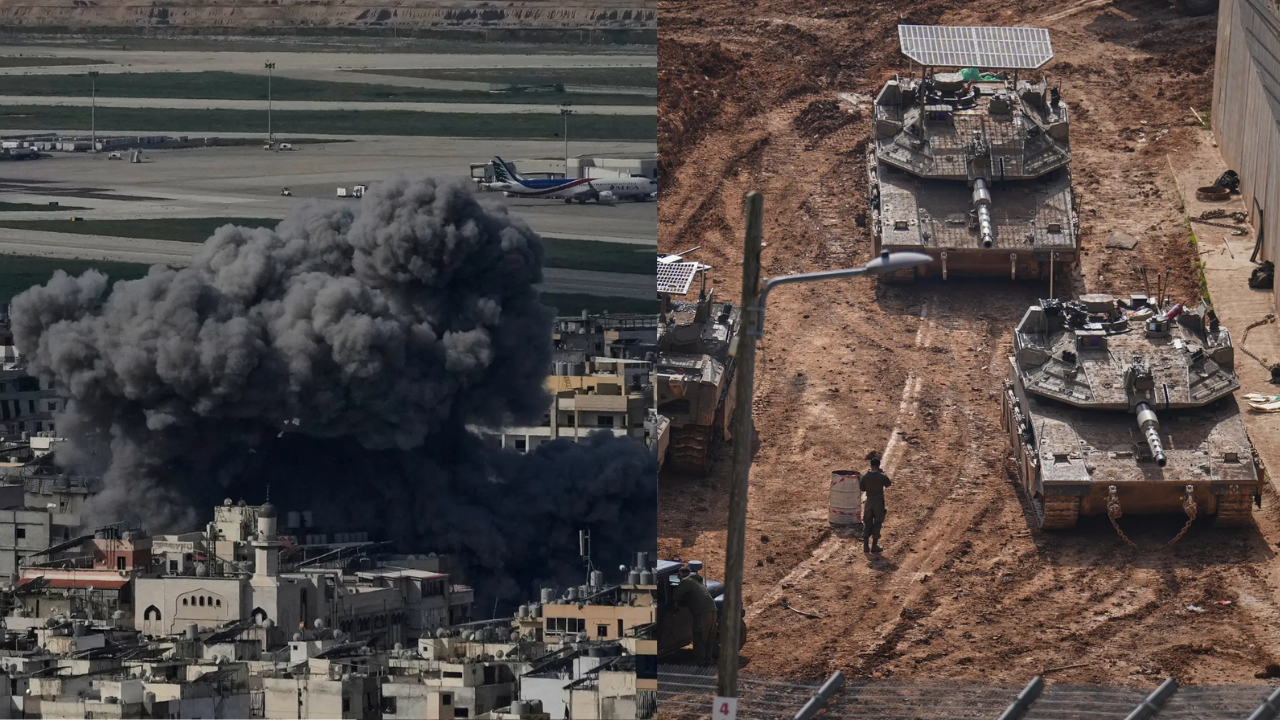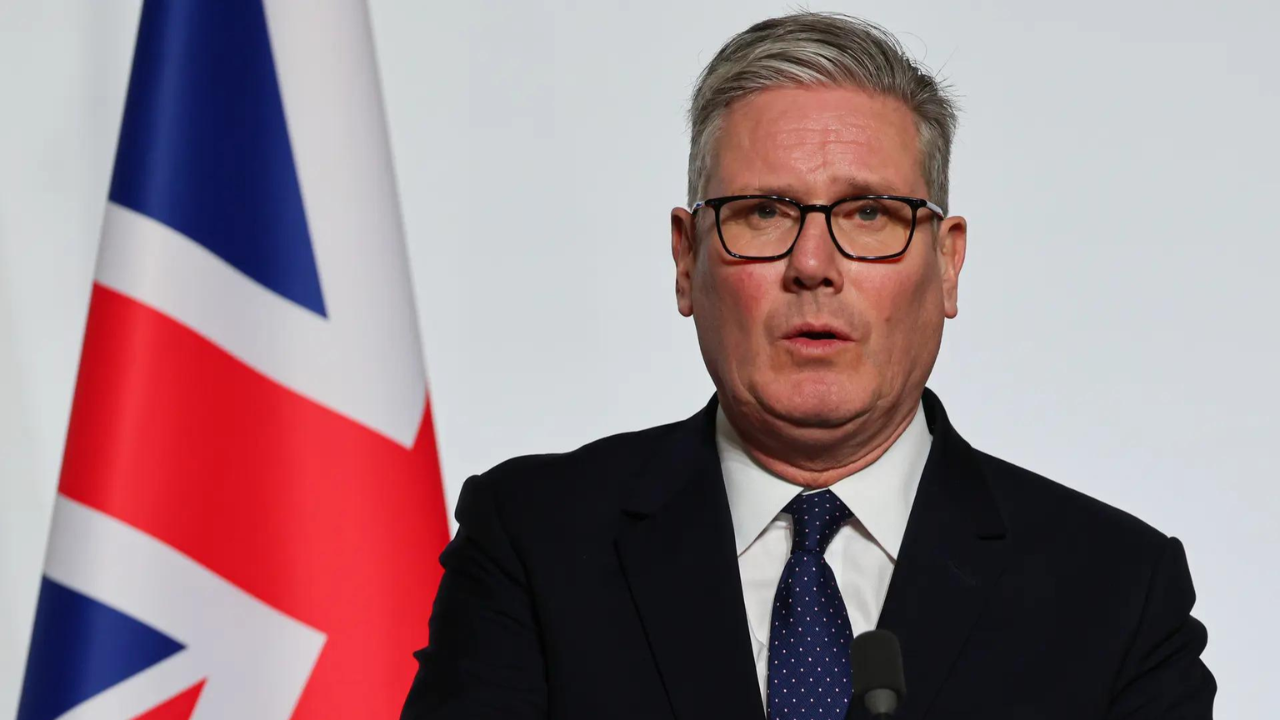
The geopolitical commentariat is currently obsessed with a fiction. They are peddling a narrative of "diplomatic friction" and "Arab anger" directed at 10 Downing Street. They want you to believe that Keir Starmer’s cautious tightrope walk between supporting Israel’s "right to self-defense" and calling for a "sustainable ceasefire" has left Riyadh, Abu Dhabi, and Doha seething.
They are wrong. The Gulf monarchies aren't angry with Starmer. They are indifferent to him.
If you want to understand the Middle East, stop reading the press releases about "deep concern" and start looking at the capital flows and the security architecture. The idea that a change in tone from a British Prime Minister—a leader of a medium-sized power with a shrinking military footprint—keeps Mohammed bin Salman (MBS) or Mohamed bin Zayed (MBZ) awake at night is a relic of a colonial-era ego.
The real story isn't about Starmer’s "betrayal" of the Palestinian cause or his failure to restrain Israel. The real story is that the Gulf has moved on from the West’s moralizing binary. They are playing a game of brutal realism that makes London’s foreign policy look like a high school debate club.
The Myth of the Angry Ally
The "lazy consensus" argues that the UK’s refusal to ban all arms sales to Israel or its participation in strikes against the Houthis has poisoned the well with its Gulf partners. This assumes the Gulf states are monolithic blocks of ideological solidarity with Gaza.
They aren't.
Behind the closed doors of the Majlis, the sentiment is far more cynical. The UAE and Saudi Arabia view Hamas as a proxy of the Muslim Brotherhood—an existential threat to their own dynastic rule. They view the Houthi rebels as an Iranian-funded nuisance that disrupts the very trade routes their "Vision 2030" plans rely upon. When the UK and the US hit Houthi launch sites, the official statements from the Gulf call for "restraint." In private, the reaction is: What took you so long?
The "anger" cited by pundits is a performative necessity for domestic consumption. These leaders have populations to manage. They need to signal solidarity to prevent internal unrest. But don't confuse a PR requirement with a strategic pivot.
The Sovereignty of the Dollar vs. The Sovereignty of the Drone
The Gulf states are currently obsessed with two things: survival and diversification.
- Security: They know the UK cannot protect them. The Royal Navy is a shadow of its former self. When the missiles fly, the Gulf looks to the US (grudgingly) and increasingly to their own burgeoning domestic defense industries.
- Investment: They are busy buying up the world. Whether it’s the Premier League, Silicon Valley startups, or renewable energy grids in Africa, their eyes are on the post-oil horizon.
Starmer’s UK is viewed as a distressed asset. It’s a place to park cash, buy luxury real estate, and perhaps secure some defense contracts if the price is right. The idea that they would blow up these economic ties because Starmer didn't use the word "genocide" in a speech is a fantasy. They aren't angry; they are shopping.
Why the UK is Irrelevant to the Iran Equation
The competitor’s narrative suggests that the UK's stance on Iran is a major point of contention. This ignores the reality of the 2023 China-brokered deal between Riyadh and Tehran.
The Gulf doesn't need Keir Starmer to mediate with Iran. They’ve already decided that the West is an unreliable narrator in that particular drama. They watched the US pivot to Asia, they watched the chaotic withdrawal from Afghanistan, and they’ve concluded that if they want peace with Iran, they have to buy it themselves or negotiate it through Beijing.
The UK is a secondary actor. Starmer’s attempts to maintain the JCPOA (the Iran Nuclear Deal) or his rhetoric on Iranian "malign influence" are treated as background noise. The Gulf states have moved from a "containment" strategy to a "de-escalation through engagement" strategy. They are talking to Tehran directly while the British Foreign Office is still trying to figure out which faction of the US State Department it should be sucking up to.
The Arms Sale Hypocrisy
Critics love to point to arms sales as the litmus test for British-Gulf relations. They claim that if Starmer doesn't cut off Israel, he loses the Gulf.
Let’s look at the data. The UK’s biggest defense export customer is Saudi Arabia. This relationship is built on decades of BAE Systems hardware, deep intelligence sharing, and a mutual interest in keeping the status quo.
If the Gulf were truly "angry," we would see them canceling contracts for Eurofighter Typhoons. We would see them pulling sovereign wealth out of London. Instead, we see them deepening their ties. The UAE’s "Sovereign Investment Partnership" with the UK is worth billions. You don't hand over $10 billion to a country you are genuinely "angry" with over a policy disagreement in a third-party conflict.
The Middle East is Not a Moral Map
The biggest mistake Western analysts make is applying a Western moral framework to Middle Eastern realpolitik.
- West: "How can the UK support Israel while claiming to be a friend of the Arabs?"
- Gulf Reality: "How can we ensure that neither Hamas nor the IRGC gains enough momentum to destabilize our path to becoming a global financial hub?"
For the Gulf, the war in Gaza is a tragedy to be managed, not a crusade to be won. They want the war to end because it's bad for business and it inflames their streets. They don't expect Keir Starmer to be the "moral conscience" of the world. They expect him to keep the trade routes open and keep the investment environment in London stable.
The Real Threat to the Relationship
If there is a reason for the Gulf to be "angry" with Starmer, it isn't his stance on the war. It’s the UK’s economic trajectory.
The Gulf leaders respect strength and wealth. They are currently looking at a UK that is struggling with low growth, high taxes, and a lack of clear industrial strategy. If Starmer fails to fix the British economy, the Gulf won't "break up" with the UK in a fit of rage; they will simply stop calling.
They will take their billions to Singapore, Mumbai, and New York. They will buy Chinese tech instead of British engineering. They will hire French consultants instead of London bankers.
The "anger" narrative is a comfort blanket for the British left and right alike. It suggests that what we say and do still matters enough to provoke a reaction. The cold, hard truth is that we are becoming a footnote in their strategic planning.
Stop Asking if They Like Us
The question "Why are they angry?" is the wrong question. It assumes a level of emotional engagement that doesn't exist in high-stakes diplomacy.
The right question is: "What value does the UK provide to the Gulf in a multipolar world?"
Right now, the answer is: "Less than it used to."
The Gulf is diversifying its allies like a hedge fund manager diversifies a portfolio. They have the US for the heavy lifting (for now), China for the trade, Russia for the oil price coordination (OPEC+), and the UK for… what exactly? A nice place to spend the summer and a legal system that’s handy for settling disputes?
Starmer’s challenge isn't navigating the optics of the Israel-Iran conflict. It’s proving that the UK isn't a fading power that can be ignored.
The Brutal Truth About "Influence"
I’ve spent enough time in the boardrooms of the DIFC and the hotels of Riyadh to know that the "special relationship" is a one-way street. The UK needs Gulf capital far more than the Gulf needs British "diplomatic leadership."
When Starmer calls for a ceasefire, he’s not leading the Gulf; he’s following them. They called for it months ago. When he talks about a two-state solution, he’s repeating a script that has been gathering dust since the 1990s.
The "anger" you see in the headlines is a mirage. It's a way for journalists to add drama to a situation that is actually characterized by a much more terrifying reality: the total irrelevance of the British "moral" stance.
If you want to see what the Gulf actually thinks of Keir Starmer, don't look at the official statements from the Ministry of Foreign Affairs. Look at the flight paths of the private jets. Look at the destination of the next $20 billion infrastructure fund.
The Gulf isn't turning its back on the UK because of a war. It’s turning its back because the UK is no longer the center of the world, and Starmer hasn't realized that yet.
Stop looking for "outrage" where there is only "evaluation." The Gulf is currently grading the UK, and we are barely scraping a C-minus. Not because we are "evil" or "pro-war," but because we are increasingly unnecessary to their future.
The era of British influence in the Middle East didn't end with a bang or a protest. It ended with a shrug.
Make no mistake: the Gulf isn't waiting for Starmer to "fix" his foreign policy. They’ve already built a world where his foreign policy doesn't matter.