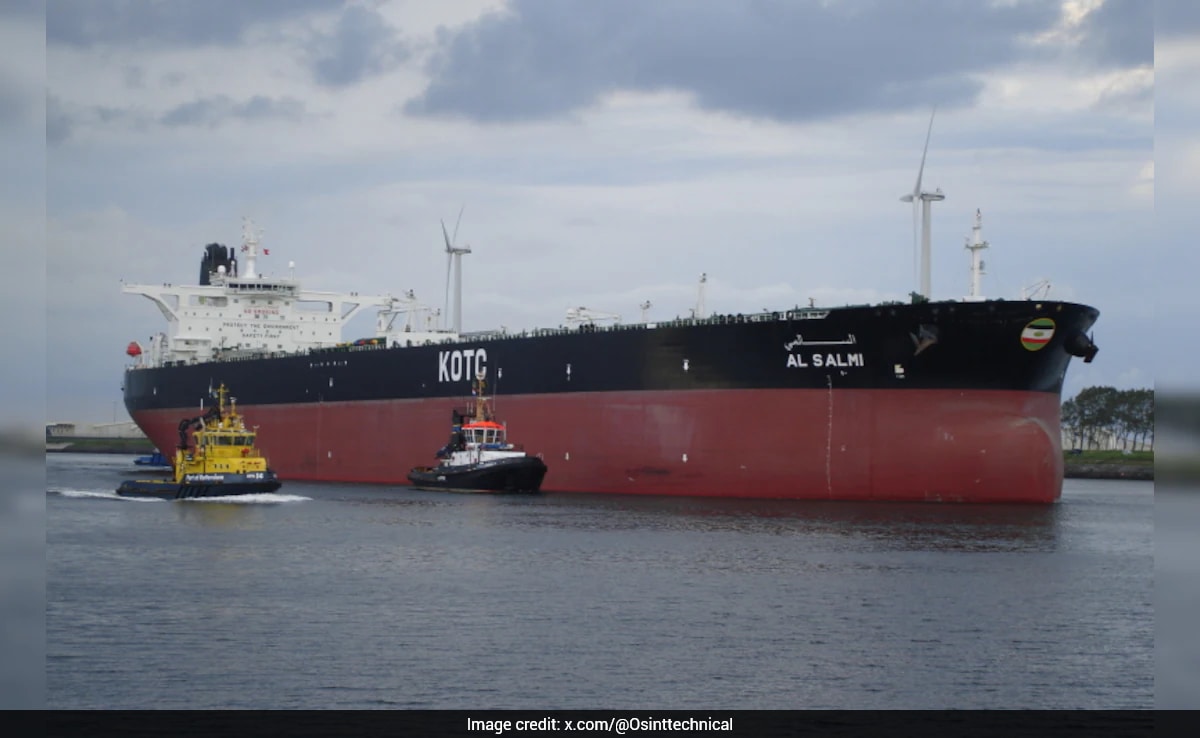
A fully loaded Kuwaiti oil tanker just became the latest target in a high-stakes maritime conflict. Reports from the region confirm the vessel sustained significant damage following an Iranian strike near the coast of Dubai. This isn't just another headline about regional friction. It's a direct hit to the jugular of global energy markets. When a tanker carrying millions of barrels of crude gets targeted in the Strait of Hormuz or the Gulf of Oman, the ripple effects don't stay in the Middle East. They show up at your local gas station and in the heating bills of homes halfway across the world.
The ship was reportedly transiting the busy shipping lanes near the United Arab Emirates when the incident occurred. Initial assessments suggest the strike involved either drone technology or precision-guided missiles, a signature move that has become increasingly common in this shadow war at sea. For anyone watching the energy sector, this is the nightmare scenario we've been talking about for years. The vulnerability of these massive vessels is staggering. You have a slow-moving, multi-billion-dollar asset sitting on the water, and it's essentially a floating target for anyone with a mid-range drone and a grudge.
Why this specific strike matters more than the last one
Most people ignore these incidents because they feel distant. That's a mistake. This wasn't a small patrol boat or a commercial freighter carrying consumer electronics. This was a Kuwaiti-flagged crude carrier. Kuwait is a massive player in the OPEC+ alliance. By hitting a vessel from a key Gulf ally, the message is clear. Nobody is safe, and the "rules" of maritime engagement are being rewritten in real-time.
The location near Dubai is equally alarming. Dubai isn't just a luxury travel destination; it's a global logistical hub. The waters off its coast are some of the most monitored and protected in the world. If a strike can happen there, it can happen anywhere in the Persian Gulf. Insurance companies are already reacting. You can bet that war-risk premiums for tankers in this region are about to skyrocket. When insurance goes up, the cost of shipping goes up. When shipping goes up, the price of oil follows. It's basic math, and it's a cost that eventually gets passed down to you.
The technical reality of modern maritime strikes
We need to talk about how these strikes actually happen. Forget the old-school naval battles with massive destroyers firing broadsides. Modern maritime conflict is asymmetrical. It's cheap, it's effective, and it's incredibly hard to defend against.
The rise of the kamikaze drone
We're seeing a massive shift toward Unmanned Aerial Vehicles (UAVs) and Unmanned Surface Vessels (USVs). These are essentially "suicide" drones. They're small, have a low radar cross-section, and can be launched from the back of a standard pickup truck or a small fishing boat. By the time the crew on a tanker realizes something is wrong, the drone is already impacting the hull.
Hull integrity and the spill risk
Modern tankers are built with double hulls, which is a saving grace. However, a precision strike on the engine room or the steering gear can cripple a ship even if it doesn't sink it. A "dead ship" in the middle of a narrow shipping lane is a catastrophe. It blocks traffic, requires massive tug operations to move, and remains a sitting duck for follow-up attacks. If the strike punctures both hulls, we aren't just talking about a supply chain disruption. We're talking about an environmental disaster that could shut down desalination plants across the UAE and Saudi Arabia.
Geopolitical chess on the high seas
The timing of this strike isn't accidental. It never is. Iran has been under intense economic pressure, and they've shown time and again that they'll use their proximity to the Strait of Hormuz as a bargaining chip. About 20% of the world's oil passes through this narrow chokepoint. If you want to get the world's attention, you don't send a diplomatic letter. You hit a tanker.
Critics often argue that the U.S. Fifth Fleet or the various international maritime coalitions should be able to prevent this. Honestly, that's unrealistic. The area is too vast. There are thousands of ships moving through these waters daily. You'd need a destroyer escorting every single tanker to provide 100% security, and even then, a swarm of small drones could likely penetrate the defenses.
The immediate impact on oil prices and supply chains
Markets hate uncertainty. Within hours of the news breaking, Brent Crude futures usually see a sharp uptick. It's a "fear premium." Traders aren't just worried about the oil on that specific ship. They're worried about the next ten ships. If tankers start refusing to sail through the Gulf, or if crews demand "danger pay" that doubles their wages, the logistics of global energy starts to break down.
- Supply Delays: Refineries in Asia and Europe rely on "just-in-time" delivery. A two-day delay in the Gulf can cause a two-week backlog at the destination port.
- Stockpile Drains: Countries might have to tap into their Strategic Petroleum Reserves (SPR) to stabilize prices, which leaves them vulnerable if a larger conflict breaks out later.
- Alternative Routes: There aren't many. You can't just drive the oil across the desert. Pipelines exist, but they don't have the capacity to replace the volume moved by the tanker fleet.
What happens next for maritime security
Expect to see a massive push for onboard defense systems for commercial ships. I'm talking about electronic jamming equipment and perhaps even automated point-defense systems. For decades, the shipping industry has relied on the "freedom of navigation" as a given. That era is over. Shipping companies are going to have to start thinking like military contractors.
If you're an investor or just someone concerned about the economy, watch the "tanker track" data closely. The number of vessels choosing to take the long way around the Cape of Good Hope is a better indicator of regional stability than any politician's speech.
The damage to the Kuwaiti tanker is a loud, fiery reminder that the world's energy security is fragile. It's held together by a thin line of tankers moving through some of the most contested waters on the planet. When that line is attacked, everyone feels the heat. Keep an eye on the insurance markets over the next 48 hours. If those rates don't come back down quickly, expect a rough month at the pump. The reality is that as long as the political tension in the region remains at a boiling point, these tankers will continue to be the most effective targets for anyone looking to shake the global status quo. Look for increased naval patrols from the UK and France alongside the US in the coming days as a direct response to this escalation. This isn't just a "Dubai problem" or a "Kuwait problem." It's a global supply chain crisis in the making.
Monitor the official statements from the International Maritime Organization (IMO) and the United Kingdom Maritime Trade Operations (UKMTO) for real-time updates on safe transit zones. If you're involved in logistics or energy trading, it's time to re-evaluate your risk exposure in the Gulf. The "business as usual" approach just got a lot more expensive. Don't wait for the next strike to diversify your supply routes or update your emergency response protocols. History shows that these incidents usually come in clusters. This strike might just be the opening act for a much more volatile season in the Middle East.