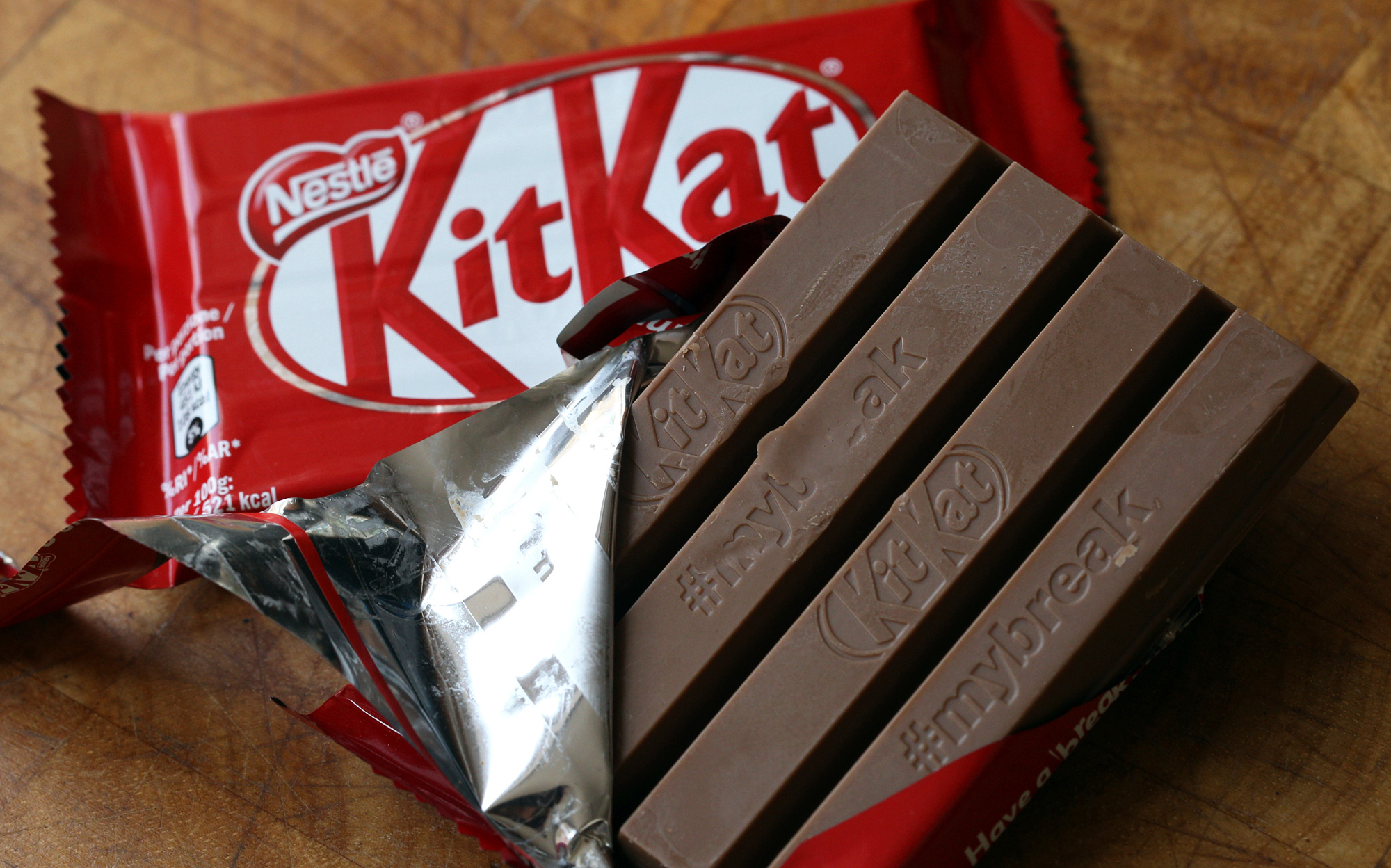
Somebody really wanted a break. A massive one. Imagine waking up to find that 400,000 KitKat bars—worth roughly $300,000—just vanished into thin air. It sounds like a bad joke or a plot for a low-budget heist movie, but for a freight company in Ontario, Canada, it was a very expensive reality. This wasn't just a couple of kids grabbing a box from a corner store. This was a sophisticated, coordinated theft that highlights a massive, invisible problem in our global supply chain.
Cargo theft is exploding. Most people think of high-end electronics or designer sneakers when they hear about "highway robbery," but the truth is much more mundane. It’s food. It’s snacks. It’s the stuff sitting in your pantry right now. Why? Because you can't track a KitKat bar once it hits the black market. You can't remotely disable a chocolate bar like you can an iPhone.
The thieves in this specific Ontario case didn't just stumble upon a goldmine. They knew exactly what they were doing. They used "fictitious pickup" tactics, a fancy way of saying they showed up with a truck, fake IDs, and forged documents, then simply drove away with the haul. By the time the real driver or the logistics coordinator realized something was wrong, those 400,000 bars were likely already being unloaded into a "clean" warehouse or sold off to unscrupulous wholesalers.
Why Thieves Are Targeting Your Favorite Snacks
You might wonder why anyone would risk jail time for candy. The math is actually pretty simple. If you steal a truckload of laptops, you have to find a specialized buyer, deal with serial numbers, and worry about built-in GPS. If you steal 400,000 KitKat bars, you have a product with universal demand and zero traceability.
Food is the perfect loot. Everyone eats. You can sell it to small independent grocers, at flea markets, or through online marketplaces. It moves fast. In the world of organized crime, this is known as "liquid gold." Once the packaging is gone or the pallet is broken down, those bars are indistinguishable from any other KitKat on the shelf.
The sheer volume of this heist is what catches the headlines, but these incidents happen every single day. According to data from CargoNet, food and beverage thefts have seen a massive spike over the last two years. We're talking about a multi-billion dollar headache for the logistics industry. The Ontario heist is just the tip of the iceberg. It shows a level of "social engineering" that should make every warehouse manager lose sleep. They didn't break a lock. They just walked through the front door and asked for the keys.
The Sophisticated Mechanics of Fictitious Pickups
How do you walk away with 400,000 chocolate bars without firing a shot? You exploit the cracks in a system built on speed and trust. The logistics world is under immense pressure to move goods fast. Drivers are often independent contractors. Paperwork is increasingly digital but often lacks rigorous verification.
In these "fictitious pickup" scenarios, the criminals often monitor load boards—online marketplaces where shippers post available freight. They bid on a job using a stolen or fake identity of a legitimate trucking company. Once they get the "all clear," they send a driver to the warehouse.
The warehouse staff, seeing a truck that looks right and a driver with what appears to be the correct "pickup number," loads the trailer. The driver signs the bill of lading and pulls out of the lot. Instead of heading to the intended distribution center, they head to a "cross-dock" facility where the goods are moved to another truck. Within hours, the original trailer is dumped, and the chocolate is gone.
This isn't a crime of passion. It’s a business model. These crews have scouts, hackers to intercept digital communications, and a network of buyers ready to move the product before the police even get the report.
The Ripple Effect on Your Grocery Bill
You pay for these thefts. Don't think for a second that the "big corporations" just soak up the loss. When $300,000 worth of inventory vanishes, insurance premiums for trucking companies go up. Security protocols get tighter and slower. Those costs eventually trickle down to the consumer.
If you've noticed the price of your favorite snacks creeping up faster than inflation would suggest, cargo theft is a quiet contributor. Companies have to invest millions in GPS tracking, biometric verification for drivers, and private security details. It’s an arms race between logistics firms and organized crime syndicates.
The Ontario Provincial Police (OPP) eventually recovered a large portion of the stolen goods, but that's a rare win. Usually, the trail goes cold the moment the truck hits the highway. In this case, three men were eventually charged, but the logistical nightmare they created left a lasting mark on the industry. It served as a massive wake-up call for Canadian and American freight companies alike.
How the Industry is Fighting Back
The "old way" of doing business—handshakes and paper manifests—is dead. If you’re in the business of moving goods, you’re now in the business of cybersecurity. Companies are now implementing "double-check" systems where the driver must provide a unique code sent to their phone at the moment of arrival, which must match the warehouse's record.
Many are also turning to high-tech solutions like:
- Geofencing: Trailers that trigger an alarm the moment they veer off a pre-planned route.
- Smart Seals: Digital locks that record exactly when and where a trailer door was opened.
- AI-Driven Vetting: Software that analyzes load board bids for "red flag" patterns that suggest a fraudulent carrier.
Even with these tools, the human element remains the weakest link. A tired warehouse worker at the end of a 12-hour shift might skip a verification step just to get a truck out of the bay. That’s all a thief needs. One small crack. One moment of inattention.
Protecting Your Own Supply Chain
If you're running a business that involves shipping physical goods, you can't afford to be complacent. The KitKat heist proves that nothing is too "low value" to be a target. You need to vet your carriers like your business depends on it—because it does.
Don't just look at the price. Look at the history of the trucking company. Use services like Highway or 4008 to verify motor carrier authority and insurance. If a bid looks too good to be true, it probably is.
Train your shipping dock staff to recognize the signs of a fake driver. Are the markings on the truck temporary magnets instead of permanent paint? Does the driver seem overly anxious to leave? Is the paperwork missing specific details? These are the front lines of cargo defense.
The era of easy theft is closing, but only for those who take it seriously. For everyone else, it’s only a matter of time before their inventory becomes someone else’s "break." Stop trusting the paperwork at face value and start verifying every single person who hooks up to your trailers. The criminals are already two steps ahead; it's time to catch up.