The air at 13,000 feet in the Bolivian Altiplano is thin enough to make a man’s lungs feel like they are collapsing under the weight of a heavy secret. Up there, the world is a monochromatic expanse of rust-colored earth and jagged peaks that claw at the underbelly of the sky. On a Tuesday that began like any other, a military cargo plane—a massive, humming beast of aluminum and oil—prepared to fight that thin air. It carried a cargo that was both weightless and impossibly heavy: millions of pesos destined for the hands of people who had been waiting too long for their due.
Money is an abstraction until it isn’t. We think of it as digits on a screen or a smudge of ink on a paycheck. But when you pack it into crates and load it onto a plane, it becomes a physical burden. It has mass. It has volume. And when that volume is paired with fifteen human souls, it becomes a covenant between the state and its most remote citizens.
The flight was a routine logistical heartbeat. It was supposed to be a bridge between the central banks of the city and the desperate pockets of the frontier.
The Mechanics of a Disaster
A plane does not simply fall out of the sky. It is surrendered.
To understand what happened in the moments before the impact, you have to understand the physics of high-altitude flight. In the lowlands, the air is thick, a supportive soup that holds a wing aloft with ease. In the highlands of Bolivia, the air is treacherous. It is fickle. The engines must scream louder to find the same bite. The wings must move faster to generate the same lift.
Consider a hypothetical pilot named Carlos. He isn't a statistic; he is a man with a thermos of coffee, a photo of his daughter tucked into the sun visor, and a deep, instinctual knowledge of how his aircraft breathes. He would have felt the change in the vibration first. Perhaps a shutter in the floorboards. Maybe a slight lag in the throttle response.
Then, the silence.
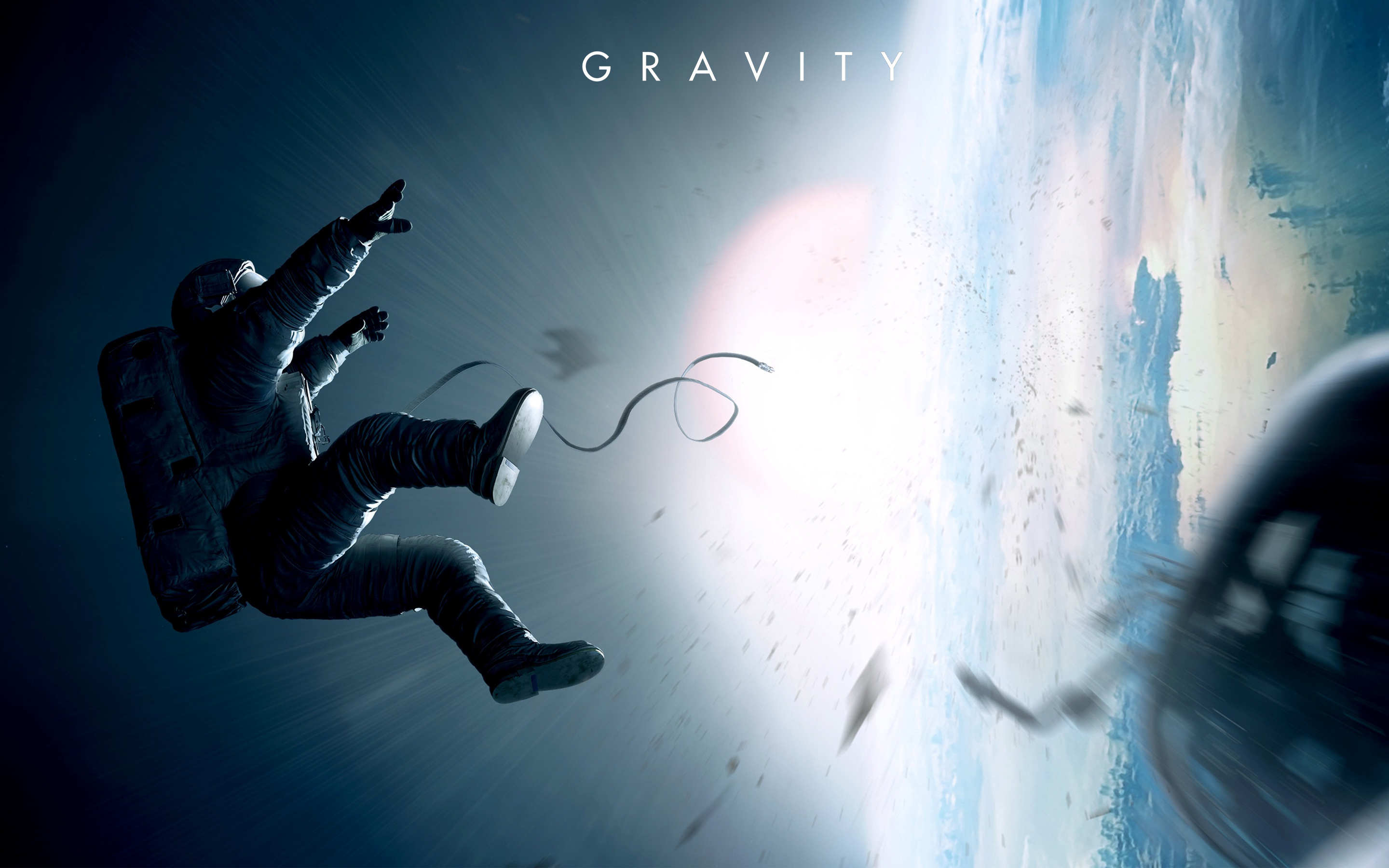
When a multi-engine plane loses power in the mountains, the silence is more deafening than the roar. It is the sound of gravity reclaiming its property. The fifteen people on board—soldiers, crew members, perhaps a civilian liaison—would have felt that sudden, sickening tilt of the world. The crates of money, once so valuable, were suddenly nothing more than dead weight accelerating toward the red earth.
The Invisible Stakes
Why do we fly money into the mountains?
In a digital age, it seems archaic. We imagine that every transaction is a flash of light through a fiber-optic cable. But the reality of the world is often made of dirt and distance. In the remote reaches of Bolivia, cash is the only language that everyone speaks. It is the pension for a widow who has spent forty years in the mines. It is the payroll for a battalion of young men guarding a border they can barely see through the mist. It is the promise of bread, medicine, and a future.
When that plane went down, it wasn't just fifteen lives that were extinguished. A vital artery was severed. The "military cargo plane" described in the wire reports was a lifeline. When it crumpled against the mountainside, the impact rippled far beyond the debris field. It reached into the small towns where people stood in line at the bank, looking at the horizon, waiting for a sound that would never come.
The crash site was a jagged scar on the landscape. Smoke rose in a thin, grey ribbon, a signal fire for a tragedy that had no witnesses.
The Weight of the Aftermath
Recovery in the Altiplano is not a matter of hours. It is a grueling, soul-crushing labor of days.
Rescuers had to contend with the same thin air that had betrayed the flight. They moved through the wreckage with a grim, methodical focus. They found the twisted metal. They found the scorched remains of the crates. And they found the fifteen.
There is a specific kind of horror in seeing wealth scattered among the ruins of human life. Banknotes, charred at the edges, fluttering in the cold wind like autumn leaves. It creates a jarring contrast—the things we value most in life rendered utterly worthless by the finality of death. You cannot buy your way out of a plummet. You cannot negotiate with the side of a mountain.
The investigation will eventually produce a thick binder of data. It will speak of "structural failure," "atmospheric conditions," or "mechanical fatigue." It will use the clinical language of experts to sanitize the chaos of the event. But the data cannot capture the moment the cabin lights flickered and went out. It cannot record the final prayers whispered into the headset.
The Cost of the Connection
We often overlook the people who keep the world's machinery running. We see the military cargo plane as a tool, a dull instrument of the state. We forget that the tool is guided by hands that shake, eyes that tire, and hearts that hope for a safe landing.
Fifteen families received a knock on the door that evening. For them, the news wasn't about a cargo of money or a logistical failure. It was about a chair that would now stay empty. It was about a voice they would never hear again.
The tragedy of the Bolivian flight is a reminder that our modern world is built on a foundation of incredible risk. Every time we send a ship across an ocean or a plane over a mountain range, we are betting against the elements. We are betting that our engineering and our courage are enough to defy the natural order.
Most of the time, we win.
But sometimes, the mountain wins.
The money will be reprinted. The plane will be replaced with a newer, shinier model. The flight paths will be recalculated and the safety protocols will be updated until they are deemed "robust." But the fifteen souls are gone, absorbed into the red dust of the Altiplano, leaving behind only the haunting image of paper money dancing in the wind above a wreckage that used to be a dream of progress.
The mountains do not care about the currency of men. They only care about the toll. And on that Tuesday, the toll was paid in full.