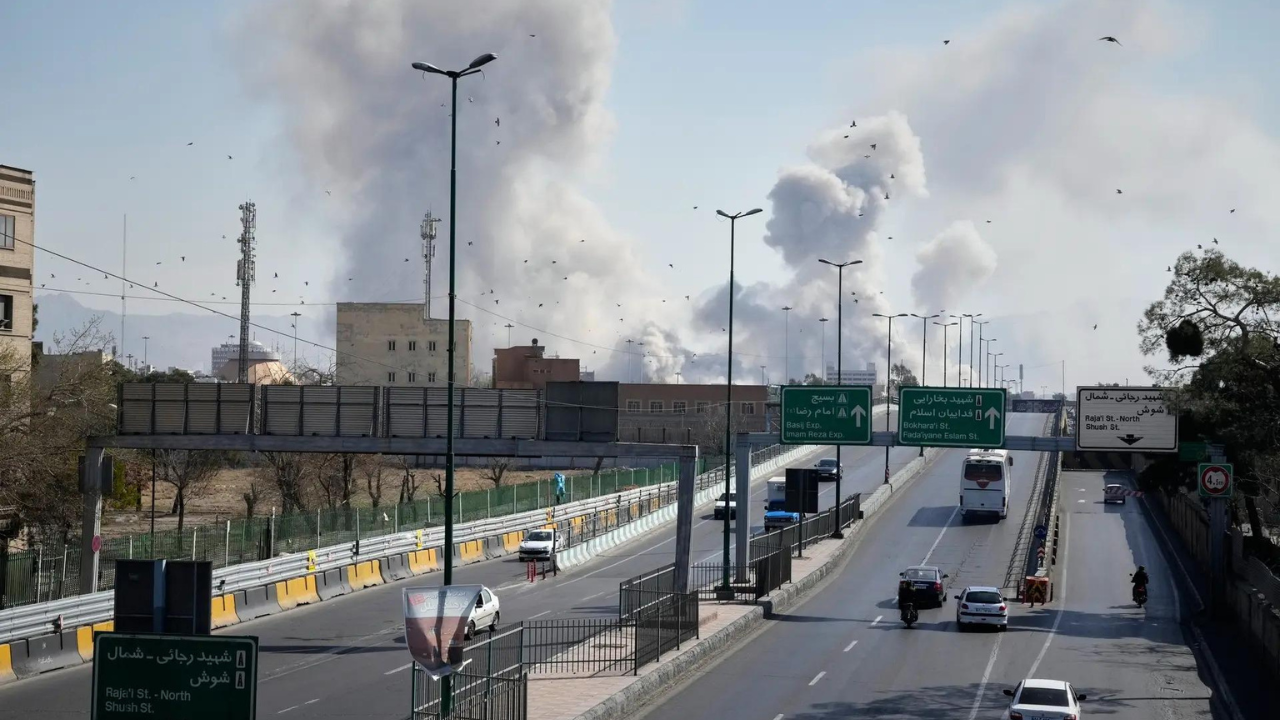
You’re probably used to hearing about missiles hitting desert bunkers or drones swarming military bases in the Middle East. But the rhetoric just took a sharp, localized turn that should make every frequent traveler pause. Iran’s military leadership isn't just talking about "crushing blows" anymore. They’re now naming specific, civilian places—parks, resorts, and tourist hubs—as the next stage of their hunt for American and Israeli officials.
This isn’t just bluster from a cornered regime. It’s a tactical shift. After three weeks of devastating U.S. and Israeli airstrikes that have literally decapitated the Iranian leadership—including the reported death of the Supreme Leader and the Intelligence Minister—Tehran is reaching for the only lever it has left: global asymmetry.
If you’re wondering why a military spokesperson is talking about "promenades," it’s because the traditional battlefield is currently a slaughterhouse for their forces. They’re looking to export the danger to places where "soft targets" and high-profile officials might cross paths.
The Strategy Behind Targeting Tourism Sites
When General Abolfazl Shekarchi says that parks and entertainment centers "will not be safe," he’s signaling a move toward urban guerrilla tactics on a global scale. Think about how these threats actually manifest. It’s not a declaration of war against the vacationing family from Ohio; it’s an announcement that Iran intends to use its intelligence networks to find officials when they're at their most vulnerable—outside the bunker.
The logic is simple and brutal. Security for a general or a diplomat is airtight when they're in a Green Zone. It’s significantly thinner when they're taking a weekend in Cyprus, walking through a park in Dubai, or visiting a museum in Europe. By naming these locations, Iran is trying to do three things:
- Paralyze Movement: Force U.S. and Israeli officials to live in permanent lockdown, even when they’re "off the clock."
- Create Public Pressure: If a strike happens at a world-famous tourist site, the "collateral damage" isn't just a statistic—it’s a global PR nightmare for the countries involved in the war.
- Demonstrate Reach: Tehran wants to prove that despite losing their command centers at home, their "borderless warriors" can still strike anywhere.
Why This Timing Matters
The war that kicked off on February 28, 2026, has been one-sided in terms of conventional power. The U.S. and Israel have used high-precision strikes to dismantle Iran’s missile programs and energy infrastructure. But as the "Twelve-Day War" of 2025 showed, and this current conflict confirms, a wounded regime often becomes more erratic, not less.
We’re currently in the middle of Nowruz, the Persian New Year. Usually, this is a time of celebration. This year, the festivities are replaced by state-mandated mourning and aggressive vows of revenge. The killing of Intelligence Minister Esmail Khatib recently was a massive blow to Iran’s internal security, but it also removed one of the key people who actually understood the "rules" of the back-and-forth shadow war. With the old guard being picked off, the newer, more desperate commanders are the ones making the calls.
Soft Targets vs Hard Assets
In the eyes of the IRGC, there’s no longer a distinction between a military base and a public space if a "wicked soldier" or a "pilot" is present. They’ve specifically mentioned monitoring pilots and commanders. For anyone in the defense industry or government service, the message is clear: the perimeter of the war has expanded to your hotel lobby.
The Reality of Global Security Alerts
If you look at the State Department’s recent "Worldwide Caution," it’s not just boilerplate text anymore. They’ve specifically warned about travel disruptions and the potential for "periodic airspace closures." But the real threat is more granular.
I’ve seen how these security shifts happen. When a country like Iran loses its ability to fight a "fair" war—meaning jet vs. jet or tank vs. tank—it pivots to what it does best: proxy hits and IEDs. We saw this in the 80s and 90s, and we’re seeing the 2026 version of it now. The difference is the technology. They’re using the same "information" they claim to have on U.S. officials to track movements via digital footprints and local assets.
What You Should Actually Do
Don't panic, but don't be naive either. If you’re traveling in the Middle East, particularly in countries like the UAE, Bahrain, or Turkey, the risk profile has changed.
- Register with STEP: If you’re an American, the Smart Traveler Enrollment Program is your only direct line to the Embassy when things go south. Use it.
- Avoid the "Official" Hangouts: In cities like Dubai or Istanbul, certain hotels and clubs are known hubs for Western officials and contractors. If the IRGC says they’re hunting, those are the first places they’ll look.
- Watch the Energy Sites: Iran has already hit energy facilities in neighboring Gulf states. If you're working or staying near major infrastructure, you're in a secondary splash zone.
The 2026 Iran war isn't staying inside Iran's borders. It’s bleeding into the places we go to escape. When a military spokesperson starts talking about parks and resorts, they aren't just making a speech—they’re picking targets.
Stay away from large demonstrations. Keep your passport and a "go-bag" ready. The conflict has entered a phase where the "front line" is wherever an official happens to be standing. It’s a messy, unpredictable era of global security, and the best thing you can do is stay informed and stay mobile.
Download the latest travel advisories for your specific destination and ensure you have a secondary way to exit the country if the main airports face sudden closures.


