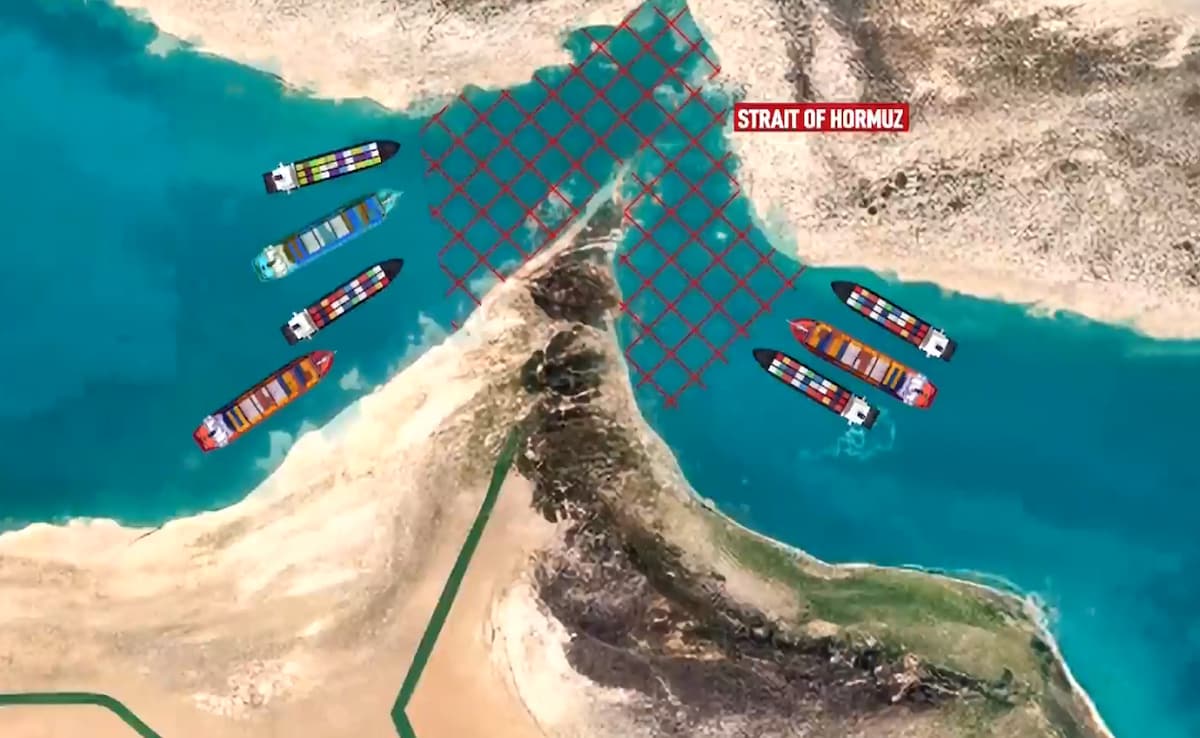
Stop waiting for shipping rates to "normalize." If you’re looking at the current surge in global freight costs as just another ripple in the Middle East, you’re missing the bigger picture. We aren’t just dealing with a temporary detour anymore; we’re watching a fundamental restructuring of how goods move across the planet.
As of March 2026, the maritime world is on fire—literally and figuratively. Tensions involving the Strait of Hormuz and the ongoing Red Sea crisis have sent the Shanghai Containerized Freight Index (SCFI) screaming past the 1,700 mark for the first time in nearly a year. In just the last two weeks, we've seen a 30% jump in container rates. If you think that’s a lot, look at the tankers. Very Large Crude Carriers (VLCCs) hauling oil from the Middle East to China are now commanding a staggering $424,000 per day.
I've talked to logistics managers who are basically throwing their 2026 budgets out the window. The "just-in-time" model isn't just broken; it’s being replaced by a "just-in-case" survival strategy that’s costing everyone a fortune.
The Hormuz Effect Is Not The Red Sea 2.0
While the world got used to the Red Sea detours around the Cape of Good Hope, the escalation in the Strait of Hormuz is a different beast entirely. The Red Sea was about distance—adding 10 to 14 days to a trip. Hormuz is about access.
Nearly 20% of the world’s oil and LNG passes through that narrow neck of water. When Iran-Israel tensions flared in late February 2026, the market didn't just react; it panicked. Tanker traffic through the Strait has reportedly plummeted by 92% in some weeks.
- Energy costs are the hidden tax: Brent crude is hovering near $105 a barrel. This isn't just a problem for gas stations. It’s a direct hit to "bunker fuel" prices, which are the single biggest expense for any shipping line.
- The Insurance Nightmare: "War-risk" premiums have gone from a line item to a deal-breaker. In some cases, insurance for a single transit through the Gulf of Oman has surged by 500%, if you can even find a broker willing to touch it.
- The Force Majeure Dominoes: QatarEnergy recently declared force majeure on LNG shipments after drone strikes on infrastructure. This means contracts are being ripped up, and buyers are scrambling for spot market shipments at astronomical prices.
The Math Of Moving Goods In A War Zone
Let's talk real numbers because vague "surges" don't help you plan a supply chain. Shipping a 40-foot container from Shanghai to Rotterdam used to be a predictable expense. Today, spot rates are hitting $2,443 and climbing toward a projected $5,000 by next month.
Middle East specific routes are even more chaotic, with rates jumping 40% in a single week to over $3,200 per TEU. Honestly, it's getting to the point where the freight cost is worth more than the margin on the goods inside the box.
Why The Cape Of Good Hope Isn't A "Solution"
Many people think, "Just go around Africa, it’s fine." It’s not fine. Rerouting around the Cape of Good Hope adds roughly 4,000 nautical miles.
- Fuel Burn: You’re looking at an extra $1 million in fuel alone per round trip.
- Asset Crunch: Because ships are taking 14 days longer to complete a circuit, you effectively need 15-20% more ships just to maintain the same weekly schedule. We don't have those extra ships just sitting around.
- Inventory Float: Your cash is literally sitting on the water for an extra two weeks. For a company moving $100 million in electronics, that’s a massive hit to working capital.
What Most People Get Wrong About 2026 Logistics
The common narrative is that once the shooting stops, prices drop. I don't buy it. We are seeing what analysts call "structural cost elevation."
Shipping companies have realized that the "Dual-Route Equilibrium" is the only way to stay resilient. They are investing in infrastructure along the African coast and the Indian Ocean, essentially baking the "longer route" costs into their long-term contracts. They’re not going to lower those prices just because the Suez opens back up for a week.
Also, don't ignore the carbon tax. The EU’s 2026 emissions regulations mean that these longer routes around Africa aren't just costing more in fuel—they’re triggering massive environmental penalties because of the increased CO2 output. It’s a double whammy that most retail consumers haven't felt yet, but they will by the time the summer stock hits the shelves.
How To Pivot Before Your Margins Vanish
If you're still playing the spot market and hoping for a "dip," you're going to get crushed. Here’s what the smart players are doing right now.
Segment your cargo by "Value-to-Weight" ratio. Stop shipping low-margin, heavy items via these volatile ocean routes if you can help it. We're seeing a massive shift to air freight for high-value electronics and "production-critical" components. While global air freight rates have been relatively stable, the Asia-Europe lanes are already seeing double-digit spikes. Lock in air capacity now before the "sea-to-air" conversion peaks.
Diversify your ports of entry. The bottleneck isn't just the sea; it's the ports. When ships are delayed, they all arrive at once, creating "vessel clustering." This leads to massive congestion at hubs like Jebel Ali and Singapore. Look at secondary ports or "feeder" services that might be slower but more reliable than the major hubs currently under fire.
Audit your Incoterms. If you’re shipping DDP (Delivered Duty Paid), you’re likely eating every single one of these surcharges. It's time to renegotiate those terms to share the "geopolitical risk" with your suppliers or customers.
The era of cheap, predictable global shipping is on a ventilator. The companies that survive 2026 won't be the ones with the lowest costs—they'll be the ones with the most "adaptive networks." Basically, if your supply chain can't turn on a dime, it’s going to cost you a lot more than just a few extra dollars per container.
Start by mapping your "Total Landed Cost" with a $110 oil floor and a 30-day transit buffer. If the math doesn't work, it's time to find a new supplier closer to home.