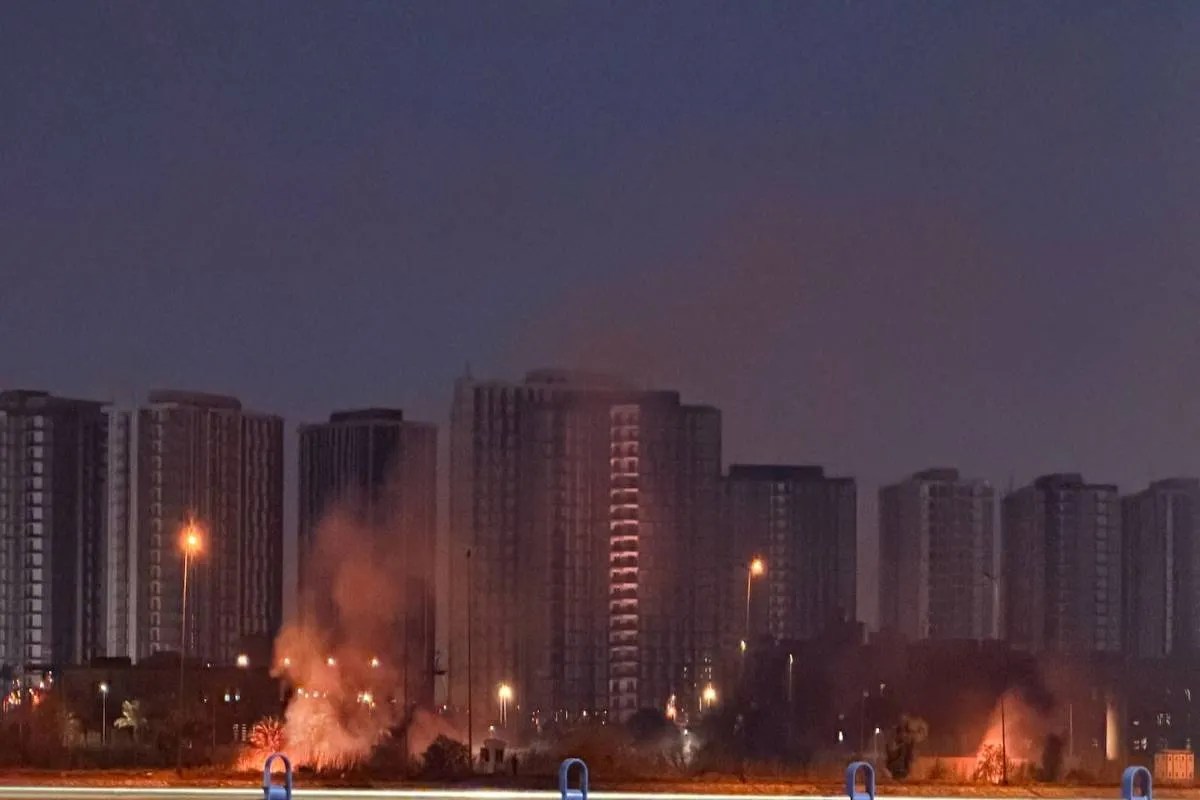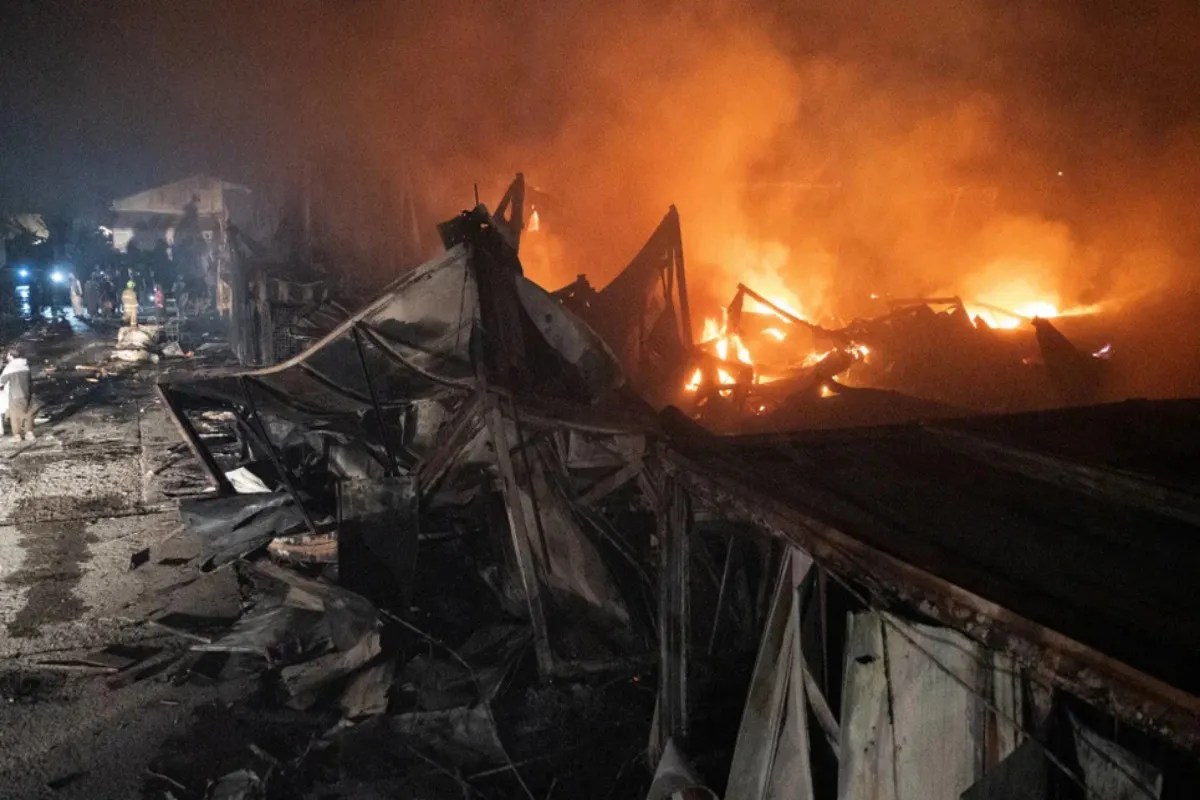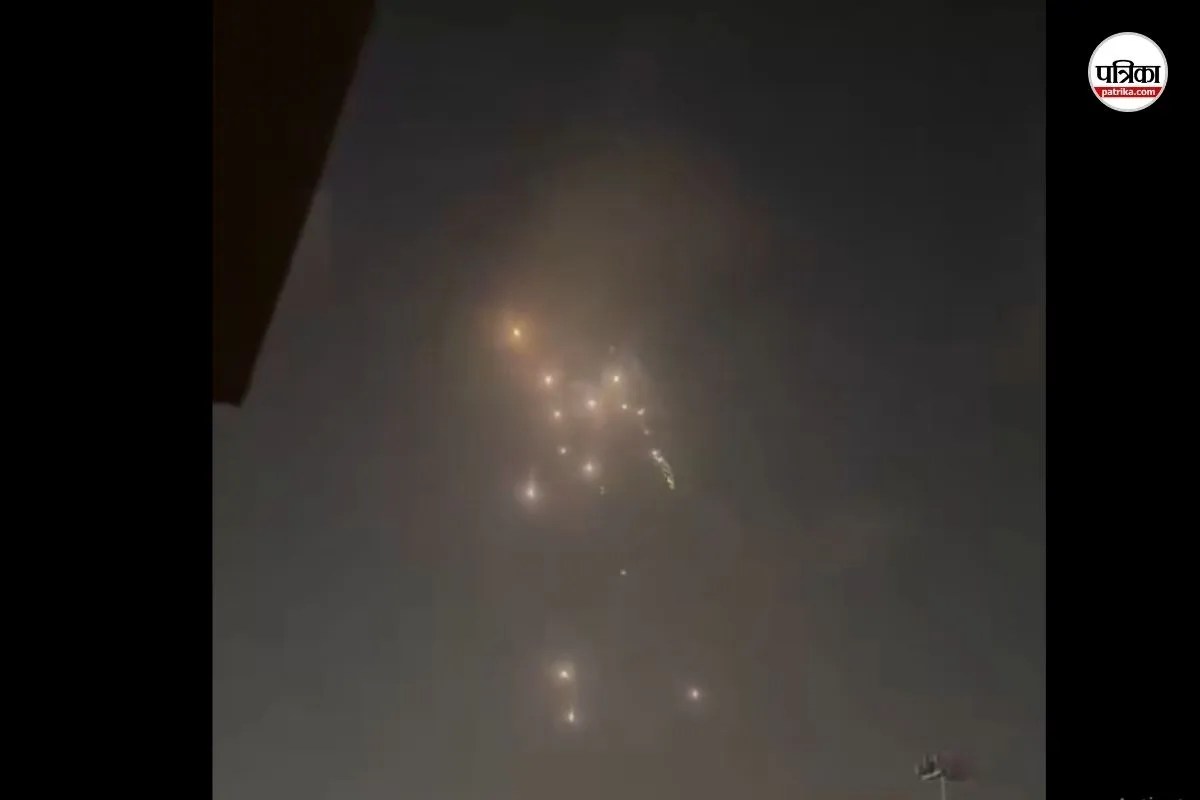
The air in the United Arab Emirates usually tastes of salt and ambition. In the high-rise apartments of Dubai and the sprawling villas of Abu Dhabi, the desert heat is a constant, rhythmic presence, manageable only by the humming chorus of a million air conditioners. For decades, this was the sound of safety. It was the sound of a nation that had successfully bargained with nature to build a gleaming, fragile paradise on the sand.
Then the sky began to change.
It starts not with a roar, but with a notification. A rhythmic pulse on a smartphone. A distant, metallic pop that sounds more like a car backfiring than the beginning of a geopolitical shift. When the news cycles speak of the Iran-Israel conflict spilling over into the Emirates, they use clinical terms. They talk about "interceptors," "unmanned aerial vehicles," and "ballistic trajectories." They treat the map like a chessboard where pieces are moved by invisible hands. But for the family sitting down to dinner in a glass-walled penthouse, the reality is far more visceral.
The glass is the problem. It is beautiful, floor-to-ceiling, offering a panoramic view of the Arabian Gulf. But in a world where drones and missiles have become the new currency of regional friction, that glass feels less like a window and more like a liability.
The Anatomy of an Interception
When a drone is launched from hundreds of miles away, it carries more than just an explosive payload. It carries a message. For the UAE, a global hub of trade and tourism, the message is intended to be one of vulnerability. The attackers aren't just aiming for a desalination plant or a fuel depot. They are aiming for the "investor confidence" that keeps the cranes moving and the ports full.
Consider the mechanics of the defense. The UAE operates some of the most sophisticated air defense networks on the planet, including the Terminal High Altitude Area Defense (THAAD) and Patriot systems. These are marvels of engineering.
When a radar array picks up a signature—a small, slow-moving dot that shouldn't be there—a complex calculus begins. Computers determine the speed, the arc, and the likely point of impact. If that point is a populated area, an interceptor is launched. The result is a brief, blinding flash in the night sky. To a tourist on the beach, it looks like a stray firework. To a military analyst, it is a successful kinetic engagement. To the residents below, it is a terrifying reminder that their sanctuary is within reach of a long-simmering shadow war.
The "why" is often buried in the "how." Iran and Israel have been locked in a cold war for years, using proxies and cyberattacks to bleed one another. The UAE, by normalizing relations with Israel through the Abraham Accords, stepped out of the shadows and into the crosshairs. By choosing a side, or at least a partnership, they invited the complexities of that rivalry into their own airspace.
The Invisible Stakes of a Hub
Money is a coward. It flees at the first sign of instability. The real battle being fought over the skies of Abu Dhabi isn't just about territory; it’s about the narrative of stability.
If a missile hits a refinery, the damage is measured in barrels and dollars. If a missile merely approaches a city enough times, the damage is measured in insurance premiums, canceled flights, and the quiet exit of expatriate families. This is the "grey zone" of modern warfare. It’s not about winning a decisive battle on a field of honor. It’s about making your opponent’s existence too expensive and too stressful to maintain.
The UAE has responded by becoming a fortress. They have poured billions into integrated missile defense, creating a literal shield of sensors and steel. They have partnered with the U.S. and Israel to share intelligence in real-time. This technological "synergy"—a word often overused but here quite literal—means that a launch detected in the mountains of Yemen or the plains of Iran is known in a command center in Abu Dhabi within seconds.
But technology has a shadow. For every sophisticated interceptor that costs millions of dollars, a drone can be built for the price of a used sedan. This is the asymmetric nightmare. A high-tech nation must be right 100% of the time. An attacker only needs to be lucky once.
Living in the Arc of Fire
The human element of this conflict is often lost in the headlines about "increased tensions."
Imagine a logistics manager at Jebel Ali Port. He knows that his facility is the heartbeat of the region. He also knows that a single successful strike could paralyze the supply chain for half the continent. He watches the news not for politics, but for the wind direction and the latest drone specs. He lives in a state of high-functioning anxiety, where the sound of a low-flying helicopter triggers a momentary pause in his heartbeat.
This is the psychological tax of the new Middle East.
The conflict between Iran and Israel isn't staying within their borders because the world is too connected. You cannot strike at one without vibrating the web that holds everyone else. The UAE is a crucial knot in that web. When missiles fly toward Abu Dhabi, they are effectively flying toward the global economy.
The drones themselves are eerie. They aren't the roaring fighter jets of 20th-century cinema. They are "suicide drones" or loitering munitions. They hum. They linger. They are designed to be cheap, replaceable, and psychologically draining. They represent a democratization of destruction.
The Shield and the Sword
Why does this keep happening? To understand the persistence of these attacks, one has to look at the geography of influence. Iran views the presence of Israeli technology and influence on its doorstep as an existential threat. The UAE views its right to choose its partners as a matter of sovereignty.
When the UAE intercepts a missile, they aren't just saving lives; they are validating their choice to be a modern, globalized state. Every explosion in the upper atmosphere is a physical manifestation of a geopolitical argument. The "Interception" is the UAE saying: We will not be intimidated out of our progress.
But there is a cost to being a fortress. The cost is a certain loss of innocence. The UAE used to be the place where the world’s problems didn't reach. It was the "Switzerland of the Middle East," a neutral ground where everyone could trade and no one would fight. That era is over. The missiles have seen to that.
Now, the country must balance its image as a luxury destination with its reality as a frontline state. It’s a difficult tightrope. You want the tourists to feel safe, but you also need them to know that you are prepared. You want the residents to sleep soundly, but you have to install "safe rooms" in new developments.
The Sound of the Silent War
The most haunting thing about these attacks is often the silence that follows. The government is quick to report successful interceptions. The debris is cleared. The social media videos are often taken down or buried. By the next morning, the malls are open, the coffee is being poured, and the fountains are dancing at the base of the Burj Khalifa.
This resilience is impressive, but it masks a deep-seated tension. Everyone knows that the game has changed. The "invisible stakes" are the mental health of a population that is increasingly aware of the sky.
When we talk about the Iran-Israel war reaching the UAE, we shouldn't just think of maps and military hardware. We should think of the silence in a room when the phone pings at 3:00 AM. We should think of the pilots flying into Dubai International, scanning the horizon for more than just the runway lights.
The struggle is between a future defined by trade and a past defined by old grudges. The UAE is trying to build the future, but the past keeps trying to shoot it down.
As the sun sets over the Persian Gulf, the skyline of Abu Dhabi glows with a defiant, golden light. It is a testament to human ingenuity and the sheer will to create something beautiful in a harsh environment. But as the stars come out, the radar dishes continue their slow, rhythmic rotation. They are searching for the shadows. They are waiting for the next hum in the air.
The desert night is no longer just a time for rest. It is a vigil.
In the morning, the workers will return to the construction sites. They will climb the scaffolding and bolt the glass panels into place. They will build higher and higher, reaching for a sky that they hope will remain empty of everything but the light.
The glass is still there. It is still beautiful. It is still fragile.
And for now, the shield holds.