The air in downtown Dallas doesn’t smell like oil anymore. It smells like server farms and expensive espresso. On a Tuesday morning, the sidewalk hums with a specific kind of kinetic energy—the sound of Italian leather loafers hitting concrete at a clip that suggests a deal is closing in five minutes. This isn't the sleepy, dusty Texas of the silver screen. It is a calculated, high-speed insurgence.
For decades, the financial soul of the world lived in a few square blocks of Lower Manhattan. It was a place of gray stone, narrow alleys, and a bone-deep belief that if you wanted to move real money, you had to endure the slush of a New York winter. But the gravity is shifting. The tectonic plates of American capital are sliding fifteen hundred miles southwest, settling into a place the locals are starting to call Y’all Street.
It isn't just a catchy nickname. It is a threat to the old guard.
Consider a man we will call Elias. He spent twenty years at a mid-sized investment firm in Midtown. Elias grew accustomed to the ritual of the morning commute—the cramped subway, the aggressive humidity of August, and the crushing cost of a two-bedroom apartment that ate sixty percent of his take-home pay. One morning, while staring at a brick wall from his office window, he realized he was working for a ghost. The prestige of a New York address didn't feel like an asset anymore. It felt like a tax.
When his firm announced they were opening a "major hub" in the Dallas-Fort Worth metroplex, Elias didn't hesitate. He traded his subway pass for a pickup truck and his brick-wall view for a horizon that actually lets the sun in. He is part of a silent migration of thousands—analysts, brokers, and tech leads who are realizing that the American Dream is easier to build when the soil is cheaper and the government stays out of your pockets.
The Architect of the Exodus
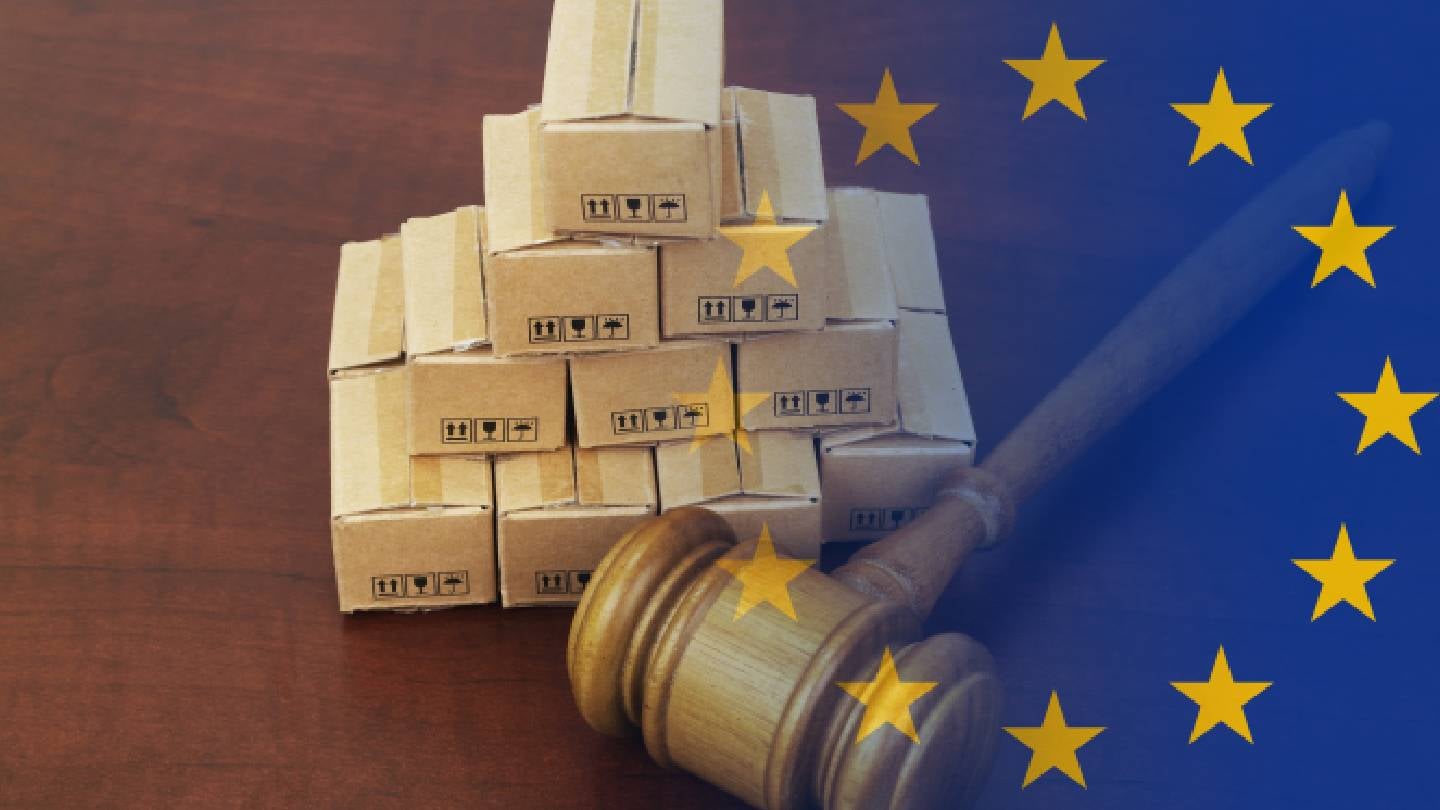
This shift didn't happen by accident. It was engineered. Texas Governor Greg Abbott and a phalanx of local leaders have spent years laying a trap for Wall Street. The bait? No state income tax. A regulatory environment that feels like a warm hug compared to the iron fist of the Northeast. And, perhaps most importantly, a legislative victory that created a specialized court system designed specifically for high-stakes business disputes.
Before this, if two billion-dollar companies had a disagreement in Texas, they might find themselves in front of a judge who spent the morning presiding over a slip-and-fall case or a messy divorce. It was unpredictable. It was slow. Business leaders hate unpredictability more than they hate taxes.
The new Texas Business Court is the state’s answer to Delaware—the tiny state that has long held a monopoly on corporate law. By creating a venue where expert judges handle complex litigation with surgical precision, Texas removed the final barrier for the giants. They didn't just invite the big banks to the party; they built them a private VIP lounge.
Goldman Sachs is already building a $500 million campus near downtown Dallas. It will house 5,000 employees. BlackRock and Citadel are eyeing the horizon. This isn't a "satellite office" trend. This is a wholesale relocation of the engine room of American finance.
The Invisible Stakes of a New Frontier
But why does this matter to someone who doesn't trade stocks for a living?
The stakes are found in the grocery stores of Frisco and the schools of Plano. When a titan like Goldman Sachs moves in, they don't just bring spreadsheets. They bring a massive infusion of wealth that ripples through the local economy like a stone dropped in a still pond. Home prices climb. New restaurants open. The tax base swells, funding infrastructure that makes the "Texas Miracle" look less like luck and more like a blueprint.
Yet, there is a tension beneath the surface. For the locals who have lived in North Texas for generations, Y’all Street feels like a double-edged sword. They see the cranes on the skyline and feel a sense of pride, but they also see their property taxes ticking upward and the traffic on the 75 getting denser by the day. The "Y'all" in Y'all Street is an invitation, but it’s also a warning. The culture is changing. The grit of the cattle rancher is being layered over by the polish of the hedge fund manager.
A Tale of Two Exchanges
The most audacious move in this saga is the proposal for the Texas Stock Exchange (TXSE). Backed by more than $120 million from heavy hitters like BlackRock and Citadel Securities, the TXSE aims to challenge the duopoly of the New York Stock Exchange and Nasdaq.
To understand the weight of this, you have to understand the frustration brewing in corporate boardrooms. Leaders are tired of the increasing compliance costs and the perceived political agendas of the New York-based exchanges. They want a place where they can list their companies and trade their shares without feeling like they are being lectured.
The TXSE is being positioned as a "pro-business" alternative. It is a play for the soul of the market. If it succeeds, it will be the first time in over a century that the center of American trading has truly been contested. It is a gamble of breathtaking proportions. If it fails, it’s a footnote. If it works, it’s a revolution.
The Human Cost of Staying Put
Back in New York, the silence is getting louder. For every bank that moves a department to Westlake or Irving, a deli in Manhattan loses a hundred regular customers. A dry cleaner closes. A luxury condo stays vacant just a little bit longer.
The competition between states has always existed, but this feels different. It feels personal. It is a clash of philosophies. New York represents the old world—established, expensive, bureaucratic, and steeped in tradition. Texas represents the new world—sprawling, hungry, unapologetically capitalist, and willing to break the rules to win.
One young analyst, let’s call her Sarah, represents the bridge between these worlds. She grew up in Queens, went to NYU, and landed a job at a top-tier bank. She thought she’d be a New Yorker for life. But last year, her firm offered her a relocation package to Dallas.
"I expected tumbleweeds," Sarah told me over a plate of brisket that cost half of what a pastrami sandwich does in Manhattan. "Instead, I found a city that is obsessed with the future. In New York, everyone talks about how great things used to be. In Dallas, everyone talks about what they’re building tomorrow."
She doesn't miss the subway. She doesn't miss the cramped feeling of being one of eight million people fighting for a square inch of sidewalk. She misses the bagels, sure. But she likes the fact that she owns a house with a backyard before the age of thirty.
The Ripple Effect
The momentum is now a self-fulfilling prophecy. Success breeds success. As more financial professionals land at DFW, the talent pool deepens. When the talent pool deepens, more firms feel comfortable moving their headquarters. It is a virtuous cycle for Texas and a vicious one for the Northeast.
We are witnessing the de-concentration of power. For a century, if you wanted to be a "Master of the Universe," you had to be in a specific zip code. That geographic monopoly is shattered. The internet started the fracture, but the economic policies of the last five years have finished the job.
Texas is betting that the future of finance isn't found in a mahogany-row office overlooking Central Park. They are betting it’s found in a glass-and-steel tower rising out of the prairie, where the taxes are low and the ambition is as wide as the sky.
The cowboys of the 19th century drove cattle north to find a market. The cowboys of the 21st century are driving the market south to find a home.
As the sun sets over the Trinity River, the lights of the Bank of America Plaza flicker on, a green neon beacon in the heart of Dallas. It’s a reminder that money doesn't have a hometown. It goes where it is treated best. It goes where it can grow. Right now, the wind is blowing hard toward the South, and the dust settling on the streets of New York is the only thing standing still.
The stampede has begun.