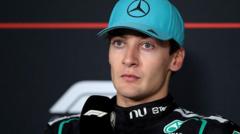
George Russell didn't hold back after the recent FIA meetings, and honestly, he shouldn't have. The Mercedes driver effectively called out Ferrari for being selfish regarding the 2026 engine and chassis regulations. It’s a bold move to point a finger at the most historic team in the sport, but Russell’s frustration highlights a growing rift in the paddock. When one team prioritizes its own historical advantages over the collective health and competitive balance of the grid, everyone else pays the price.
The core of the issue rests on how the 2026 rules are being shaped. Formula 1 is at a crossroads. We’re moving toward a massive technical shift with increased electrification and active aerodynamics. Yet, the negotiations behind closed doors have become a tug-of-war. Russell's argument is simple: Ferrari is using its political weight to protect its own interests at the expense of better racing. This isn't just about a single wing flap or a fuel flow sensor. It’s about the DNA of the sport for the next decade.
The Weight of the Red Car in the Room
Ferrari isn't just another team. They’re the only ones who’ve been there since 1950. They have the veto power. They have the biggest historical bonus payment. Because of that, they carry a level of influence that can stall progress. Russell’s specific gripe involves how the technical regulations are being "watered down" or manipulated to suit specific power unit architectures that Ferrari favors.
When you look at the 2026 power unit, the split is supposed to be roughly 50/50 between the internal combustion engine and electric power. It’s a massive engineering challenge. Some teams want more flexibility to innovate, while others—led by the Scuderia—seem intent on keeping certain restrictive parameters that play to their traditional strengths in combustion. Russell is calling this out as "selfish" because it prevents the sport from moving toward a more nimble, raceable car.
Why the 2026 Regulations Matter More Than You Think
If the FIA gets the 2026 rules wrong, we’re stuck with boring races for years. We’ve seen this movie before. The 2014 hybrid era gave Mercedes a head start that took the rest of the field seven years to close. Now, as the GPDA (Grand Prix Drivers' Association) director, Russell is worried we're heading for another lopsided era.
The drivers want lighter cars. They want cars that can follow each other without overheating the tires in three corners. Ferrari’s insistence on certain technical legacies makes that goal harder to reach. By pushing for heavier, more complex systems that favor their existing infrastructure, they’re effectively "gatekeeping" the podium. It’s a classic power play. You can’t really blame them for wanting to win, but you can blame them for making the sport worse to achieve it.
The GPDA Strikes Back
It’s rare to see a driver be this vocal about another team’s political maneuvering. Usually, it’s the Team Principals—the Totos and Christians of the world—sniping at each other. Russell speaking up shows that the drivers are finally losing patience with the political games. As the director of the GPDA, he’s representing the guys who actually have to drive these "boats" on Sunday.
The drivers feel the weight. Modern F1 cars are nearly 800kg. That’s massive. They’re sluggish in low-speed corners. The 2026 goals included shedding weight, but every time a "selfish" technical requirement is added by a major manufacturer, the weight goes back up. Russell is essentially saying that Ferrari is choosing their dyno numbers over the fans' excitement.
The Problem With Consensus in F1
F1 operates on a system where getting ten teams to agree is basically impossible. It’s like trying to get ten toddlers to pick one flavor of ice cream, except the toddlers have billion-dollar budgets and legal teams. Ferrari often acts as the anchor. If they don't like a change, they can stall it until the FIA is forced to compromise.
This compromise is what leads to "Frankenstein" regulations. You end up with a car that’s half-innovative and half-obsolete. Russell’s frustration stems from seeing the potential for amazing 2026 racing slip away in favor of political preservation. He knows that if Mercedes, Red Bull, or McLaren were doing the same, he’d have to call them out too—but right now, the spotlight is firmly on Maranello.
What Happens if Ferrari Doesn't Budge
If Ferrari continues to prioritize its own engine roadmap over the "nimble car" concept, we’ll likely see a repeat of the issues we have today. The cars will remain too wide and too heavy for tracks like Monaco or Barcelona. We’ll see more "DRS trains" where passing is a mathematical certainty rather than a feat of skill.
Russell’s comments aren't just a "hot take" for the media. They’re a warning shot. He’s telling the FIA and FOM that the drivers won't just sit quietly while the sport’s future is traded away for corporate ego.
The Ripple Effect on Other Teams
It’s not just Mercedes that’s annoyed. Smaller teams like Williams or Haas rely on the big manufacturers to set a sensible path. When Ferrari pushes for complex, expensive solutions, it prices out the rest of the grid or forces them into a customer relationship that limits their own growth.
- Weight Issues: Every specific part Ferrari insists on adds grams that turn into kilograms.
- Aero Restrictions: Protecting engine cooling requirements often means uglier, less efficient aero.
- Cost Cap Loopholes: The more complex the rules, the easier it is for a massive organization like Ferrari to hide development costs.
Fighting for the Future of Racing
We need to stop treating F1 like a laboratory for road cars and start treating it like a sport again. Russell is right to demand that the rules favor the racing, not the manufacturers' marketing departments. If that means Ferrari has to lose some of its historical advantages to ensure we have five teams fighting for a win every weekend, then so be it.
The next few months of FIA World Motor Sport Council meetings will be the real battlefield. We’ll see if Russell’s public shaming of Ferrari’s "selfishness" actually forces a change in their stance. It’s a high-stakes game of chicken. If Ferrari blinks, we might actually get the lightweight, high-revving, aggressive cars we were promised.
Don't expect Ferrari to stay silent for long. They’ll likely fire back with comments about "protecting the soul of the sport" or "technical excellence." But don't be fooled. In F1, "soul" is often just code for "the thing that makes us faster than you."
Keep a close eye on the technical drafts released by the FIA over the coming weeks. Look specifically for the minimum weight requirements and the energy recovery limits. If those numbers don't start dropping, you’ll know that the political selfishness Russell talked about has won the day. The best thing you can do as a fan is stay vocal—support the drivers who are pushing for better racing over better politics.