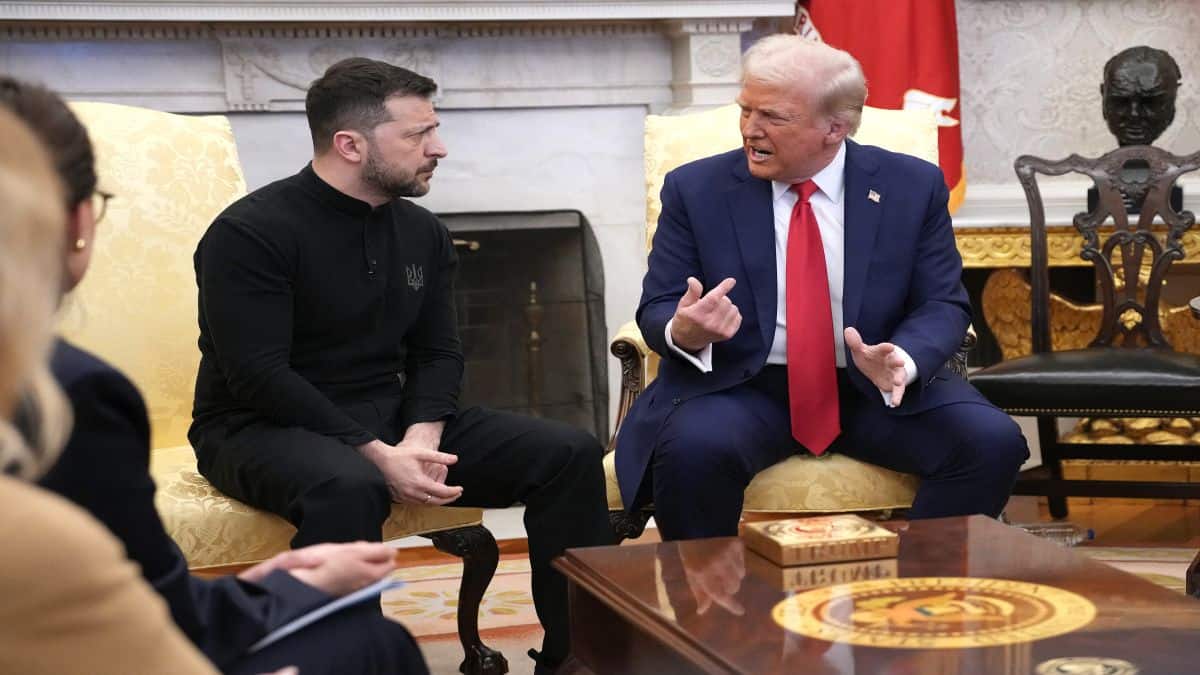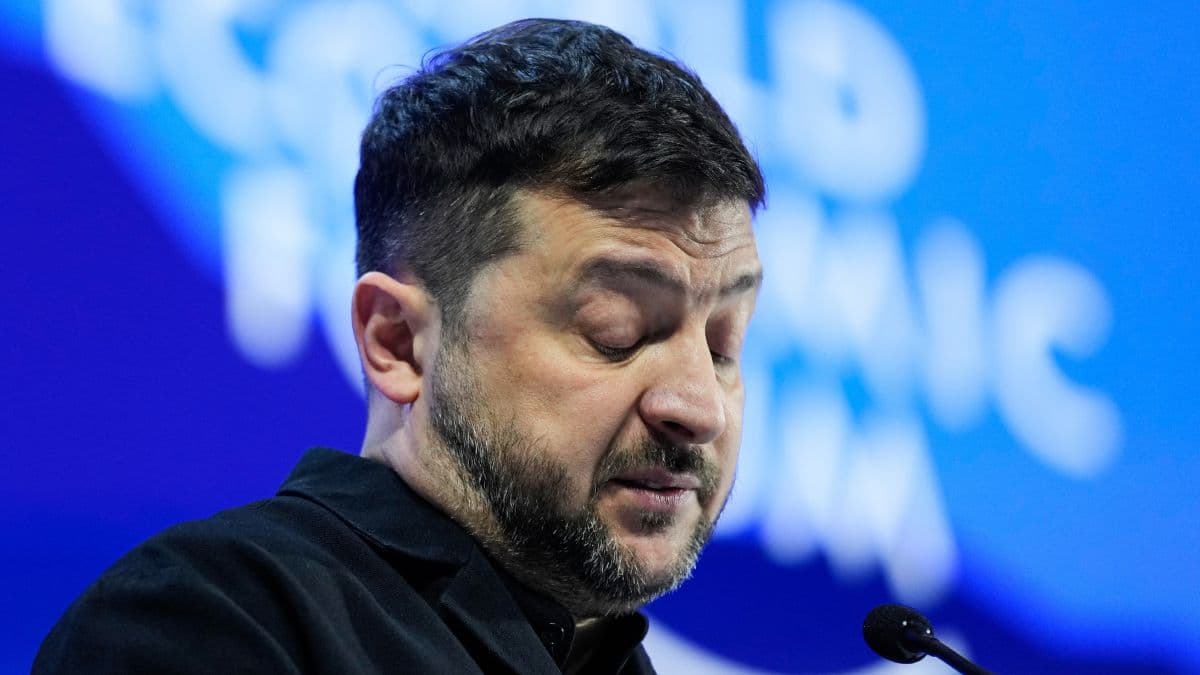
Volodymyr Zelenskyy is playing a game of rhetorical checkers while the rest of Central Europe is locked in a high-stakes match of 4D chess. The recent headline suggests Ukraine is "ready to work" with any Hungarian leader who isn't a "Putin ally." It sounds principled. It sounds noble. It is also completely detached from the cold, hard reality of how power functions in the Pannonian Basin.
The "Putin ally" label is the most overused, intellectually lazy trope in modern diplomacy. It assumes that Hungarian foreign policy is driven by a bromance between Viktor Orbán and the Kremlin. It isn't. It’s driven by a ruthless, transactional pragmatism that would remain exactly the same even if Orbán disappeared tomorrow.
If you think a change in leadership in Budapest magically opens the taps for Ukrainian transit and weapons, you haven't been paying attention to the last thousand years of Hungarian history.
The Geography of Energy Dependency is Not a Political Choice
Stop pretending that "alignment" is a moral preference. For Hungary, it is an engineering constraint.
Ukraine’s leadership often frames Hungarian resistance to sanctions or military aid as a personal failing of the current administration. This ignores the structural reality of the Druzhba pipeline and the Paks nuclear power plant. Hungary doesn't buy Russian energy because they like the way Cyrillic looks on a contract; they buy it because their entire physical infrastructure was built during the Soviet era to face East.
Any future Hungarian leader—no matter how "pro-EU" or "anti-Putin" they claim to be—will face the same binary choice: maintain a working relationship with the supplier or watch the national power grid collapse. Zelenskyy's demand for a leader who isn't a "Putin ally" is essentially a demand for a Hungarian leader willing to commit economic suicide for Kyiv’s benefit. No such leader will ever survive a single election cycle in Budapest.
The Transcarpathian Lever
There is a massive elephant in the room that the mainstream media refuses to acknowledge: the 150,000 ethnic Hungarians living in Ukraine’s Zakarpattia region.
Kyiv views the minority rights issue as a Russian talking point used to destabilize the state. Budapest views it as a fundamental pillar of national identity. This isn't a "Putin" problem; it’s a "Trianon" problem. The 1920 Treaty of Trianon, which stripped Hungary of two-thirds of its territory, is the psychic wound that dictates every move Budapest makes.
When Ukraine passed its 2017 education law restricting minority languages, they didn't just annoy Orbán. They insulted the core of the Hungarian state. Even the most liberal, pro-Western opposition figure in Hungary cannot afford to look weak on the "protection of Hungarians abroad."
I have watched diplomats waste years trying to "negotiate" around this. You can't. If Zelenskyy wants a partner in Budapest, he doesn't need a change in their government; he needs a change in his own domestic policy regarding language and education. Until that happens, every Hungarian leader will be a "blocker," regardless of their feelings toward Moscow.
The "Sovereignty" Performance
Zelenskyy’s rhetoric assumes that the European Union is a monolith where "good" members follow the consensus and "bad" members (allies of Putin) disrupt it. This is a fundamental misunderstanding of the EU’s internal mechanics.
Hungary uses its veto not as a favor to Russia, but as a survival mechanism within the Brussels bureaucracy. By being the "difficult" member, Hungary forces the EU to release frozen funds and grant exemptions. It is a strategy of maximum leverage.
- Veto as Currency: A veto on Ukrainian aid is a bargaining chip for Hungarian cohesion funds.
- Strategic Autonomy: Being the "third way" between the West and the East attracts foreign direct investment from China and Russia that wouldn't otherwise land in a mid-sized landlocked nation.
- Domestic Branding: Defying "globalist" pressure is the most effective campaign slogan in the Hungarian countryside.
If a new leader took over and immediately fell in line with the Brussels-Kyiv axis, Hungary would lose all its geopolitical value overnight. They would become just another small state with no seat at the big table. Rational actors don't give up that kind of power for "friendship."
The Myth of the "Liberal Savior"
The West loves to pin its hopes on "the opposition." We saw it with Navalny in Russia (a nationalist who supported the annexation of Crimea), and we see it with the Hungarian opposition.
The assumption is that a "liberal" leader would be more "pro-Ukraine." But look at the data. The Hungarian public, across the political spectrum, is deeply wary of being dragged into a kinetic conflict with Russia. A 2023 Századvég poll showed an overwhelming majority—even among opposition voters—oppose the transit of weapons through Hungarian territory.
Any "pro-Ukraine" leader would be ousted within six months if they tried to reverse the policy on military neutrality. Zelenskyy isn't waiting for a new leader; he's waiting for a political impossibility.
Ukraine’s Strategic Miscalculation
By personalizing the conflict with Budapest, Ukraine is actually helping the Hungarian government. Every time Zelenskyy singles out Hungary, it reinforces the narrative that "foreign powers" are trying to dictate Hungarian policy. It turns a complex neighborhood dispute into a nationalist rally cry.
Instead of demanding a "non-ally," Ukraine should be offering a "better deal."
- Energy Diversification: Build the infrastructure that makes Russian gas irrelevant for Hungary. Don't just demand they stop buying it; give them an alternative that doesn't cost 400% more.
- Cultural Autonomy: Guarantee the language rights of the Zakarpattia Hungarians with ironclad, internationally monitored treaties.
- Logistical Incentives: Make Hungary the primary hub for the reconstruction of Western Ukraine.
Money and security talk. Moral grandstanding about "Putin's allies" just makes the room colder.
The Brutal Truth About Neighbors
You don't get to choose your neighbors, and you certainly don't get to choose their leaders. Zelenskyy's stance is a luxury of the desperate—a way to signal virtue to Western donors while ignoring the practical deadlock on his western border.
Hungary will always be "difficult." It will always play both sides. It will always prioritize the 150,000 Hungarians in Ukraine over the 40 million Ukrainians in Ukraine. This isn't "Putinism." It’s "Hungarism."
Stop waiting for a revolution in Budapest. Start dealing with the geography you actually have.
Build the pipelines. Fix the schools. Drop the labels. Or keep shouting into the wind while the border remains closed and the lights in Budapest stay on, powered by the very gas you're asking them to hate.