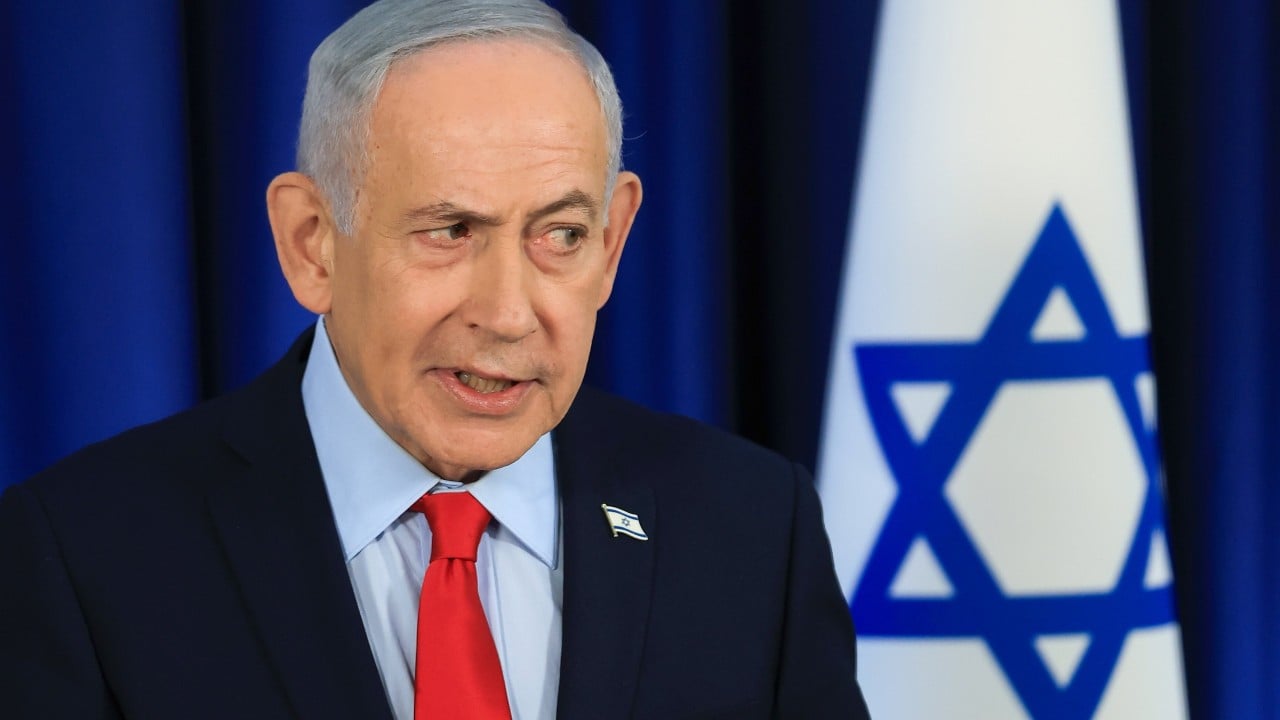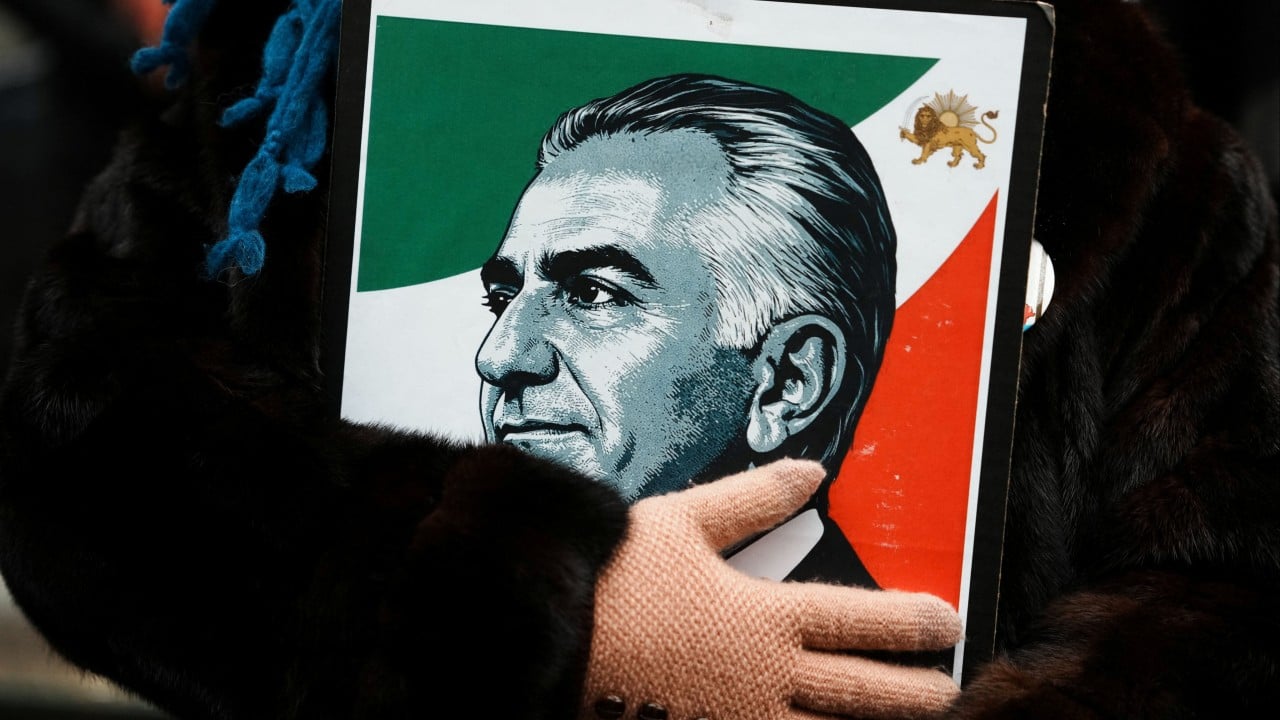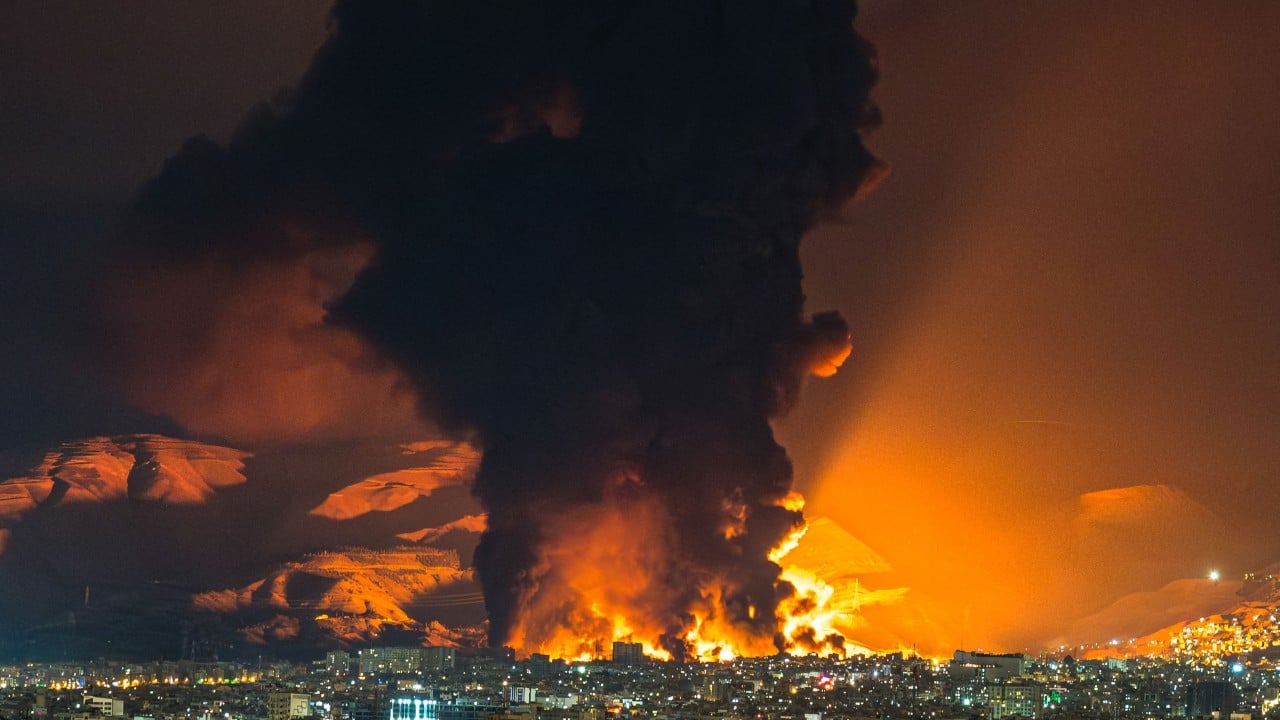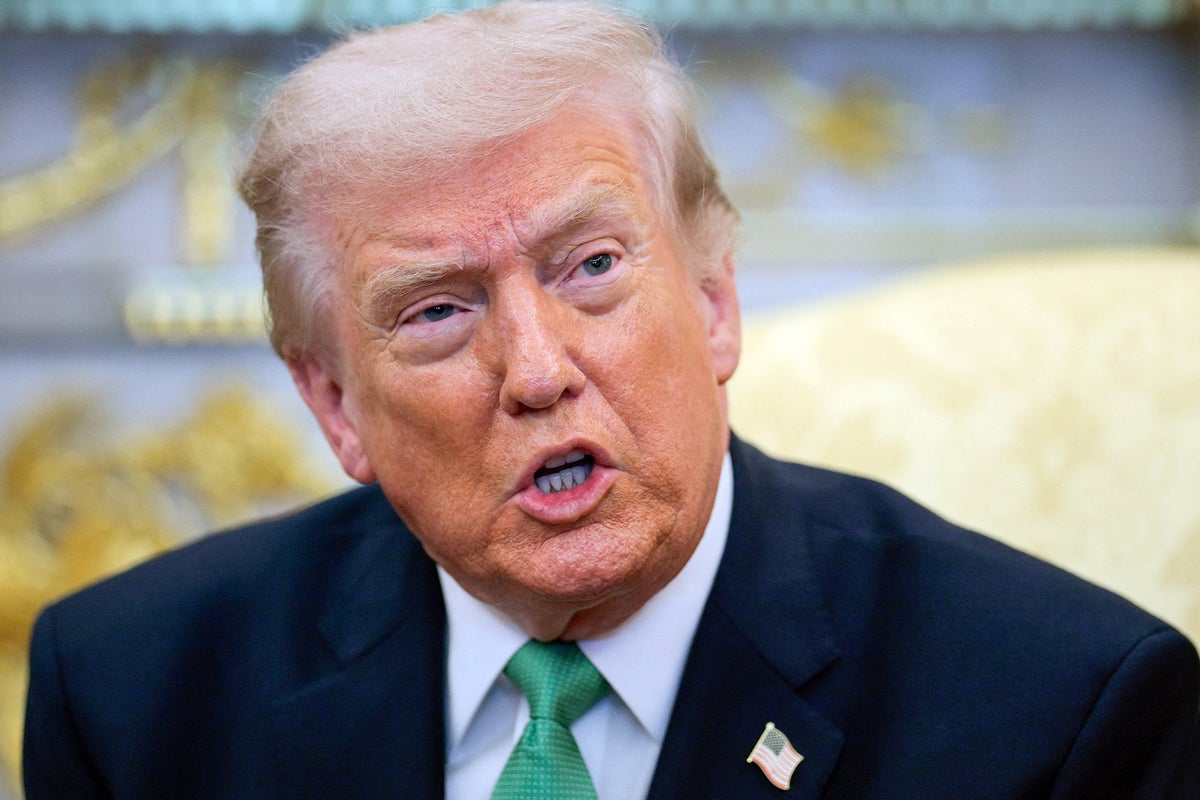
The recent circulation of claims suggesting that a preemptive or aggressive military stance against Iran is the only barrier to a modern-day Holocaust marks a sharp departure from traditional diplomacy. This narrative, amplified by Donald Trump through his sharing of an external editorial, attempts to frame a potential conflict not merely as a matter of national security, but as a moral imperative of existential proportions. By positioning the Iranian leadership as a direct successor to the Third Reich, proponents of this view shift the debate from "should we engage" to "how can we afford not to." It is a high-stakes rhetorical strategy that strips away the nuance of regional power dynamics in favor of a binary struggle between good and evil.
Understanding the gravity of this claim requires looking past the social media shares and into the underlying strategy of "maximum pressure." This doctrine assumes that the Iranian state is fundamentally irrational and driven by an ideological desire for mass destruction that mirrors 1930s Europe. If one accepts this premise, then any diplomatic overture, including the Joint Comprehensive Plan of Action (JCPOA), is not just a failed policy but an act of "appeasement" in the historical sense. However, this comparison often ignores the cold, calculated survivalism that has defined the Islamic Republic’s foreign policy for decades. The regime’s primary goal has always been its own preservation, a goal often achieved through proxy wars and asymmetric leverage rather than the suicidal path of a direct, global-scale genocide.
The Mechanism of the Holocaust Comparison
Invoking the Holocaust is the ultimate conversational stopper in Western politics. It is designed to silence dissent. When a political leader suggests that military action is the only way to prevent a second Shoah, they are essentially arguing that the cost of war—no matter how many thousands of lives are lost—is inherently lower than the cost of inaction. This isn't just a historical reference; it is a tactical deployment of trauma to justify a specific, kinetic outcome.
The internal logic of this argument rests on the belief that Iran’s nuclear ambitions are inseparable from an intent to wipe Israel off the map. While the rhetoric coming out of Tehran is frequently vitriolic and anti-Semitic, intelligence communities have long debated whether those threats are aspirational or operational. By framing the situation as a countdown to a new Holocaust, hawks bypass the messy reality of containment and deterrence. They argue that you cannot deter an entity that welcomes the end of the world.
Escalation as a Policy of Prevention
There is a deep irony in the idea that launching a war prevents a catastrophe. Modern warfare in the Middle East is rarely contained. A direct conflict with Iran would likely ignite a regional firestorm involving Hezbollah in Lebanon, various militias in Iraq and Syria, and potentially the Houthis in Yemen. The humanitarian toll of such a conflict would be staggering, creating a paradox where the "preventative" action generates the very mass suffering it claimed to avoid.
The strategy of shared articles and inflammatory rhetoric serves to prime the public for this eventuality. By the time the first missiles fly, the audience has already been conditioned to see them as a "rescue mission" for humanity. This is a classic hallmark of manufacturing consent. We saw similar patterns in the lead-up to the 2003 Iraq invasion, where the threat of "mushroom clouds" was used to bypass the lack of concrete evidence regarding weapons of mass destruction. The stakes here are even higher because Iran is a much more capable military adversary than Iraq was in 2003.
The Fragmentation of Intelligence and Rhetoric
One of the most dangerous aspects of this discourse is the widening gap between political rhetoric and actual intelligence assessments. While politicians speak in absolutes of "preventing another Holocaust," career analysts often describe a more complex picture of internal Iranian power struggles between hardliners and pragmatists. When the political leadership chooses to amplify the most extreme interpretations of a threat, it creates a feedback loop where intelligence that suggests a path to peace is dismissed as "weak" or "naive."
This environment makes it nearly impossible to conduct a sober cost-benefit analysis of military action. If the choice is truly between a war now and a Holocaust later, the war will always win the argument. But what if the choice is actually between a war now and a messy, decades-long containment strategy that prevents nuclear breakout without a full-scale invasion? That is the question that the "Holocaust prevention" narrative seeks to erase from the public consciousness.
Economic and Global Ripples of a Preventative Strike
Beyond the immediate loss of life, the global economy would feel the shockwaves of an Iran war instantly. The Strait of Hormuz, a narrow waterway through which a significant portion of the world’s oil passes, would become a combat zone. Shipping lanes would close. Insurance premiums for tankers would skyrocket. The resulting global recession would hit the world's most vulnerable populations the hardest, potentially leading to famines and civil unrest far from the borders of the Middle East.
- Oil Prices: A conflict could push prices well beyond $150 a barrel within days.
- Supply Chains: Microchips and consumer goods dependent on stable energy prices would see massive inflation.
- Refugee Crises: Displacement on a scale exceeding the Syrian civil war is a realistic projection for a full-scale war with Iran.
When a leader shares an article claiming war is the only moral path, they are rarely asked to account for these secondary and tertiary effects. The moral high ground is used as a shield against the practical, grueling realities of what that war would actually look like for the average person.
The Role of Domestic Politics in Foreign Extremism
It is impossible to separate these foreign policy claims from the domestic political needs of the people making them. For a leader like Trump, portraying himself as the only person standing between the world and a second Holocaust is a powerful brand-building exercise. It appeals to a specific base of voters who view the world through a lens of biblical struggle. It also serves to distract from domestic controversies by focusing the national conversation on a threat that feels urgent and existential.
This isn't to say that the threat from Iran isn't real. Their drone technology, their support for militant groups, and their uranium enrichment levels are legitimate concerns that require a serious international response. But there is a vast difference between a serious response and a crusade. When we replace diplomacy with the language of holy war, we lose the ability to find the small, incremental wins that actually keep the world safe.
The Fallout of Dehumanizing the Adversary
The "Holocaust" narrative relies on the complete dehumanization of the Iranian people. It treats a nation of over 85 million people as a monolithic engine of destruction. This ignores the millions of Iranians who have taken to the streets to protest their own government, the vibrant youth culture that is increasingly secular, and the internal dissent that could be the key to long-term change. By bombing a country to "save" people from a hypothetical Holocaust, we risk killing the very people who are most capable of changing the regime from within.
We are currently witnessing a shift where social media algorithms dictate the flow of geopolitical thought. A shared article becomes a de facto policy statement. A hyperbolic headline becomes a talking point for the next decade. If we continue to allow the most extreme historical analogies to drive our foreign policy, we will eventually find ourselves in a war that was built on a foundation of metaphors rather than reality.
Investigate the voting records and funding sources of the organizations currently pushing the "preventative war" narrative to see where the financial incentives for conflict truly lie.