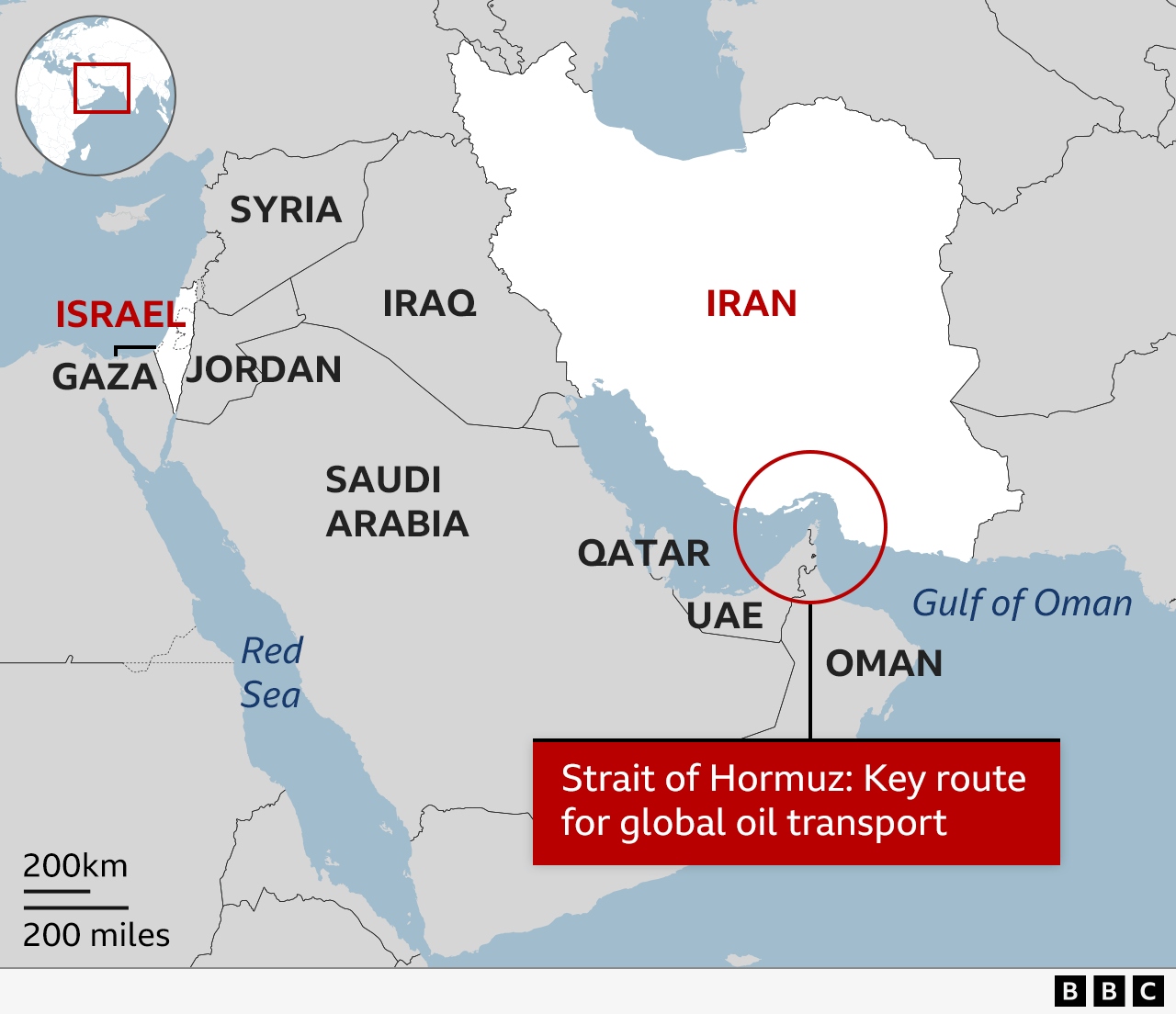
The closure of the Shalamcheh border crossing between Iraq and Iran functions as a strategic circuit breaker in a regional electrical grid nearing a thermal overload. While mainstream reporting focuses on the kinetic details of airstrikes, the underlying mechanism of this closure is a deliberate attempt to manage the "Escalation Ladder"—a concept pioneered by Herman Kahn—by restricting the flow of non-state actors and logistical materiel that could broaden the theater of operations. The death of an Iraqi national during recent strikes serves as the immediate catalyst, but the structural cause is the persistent tension between Iraqi sovereign neutrality and its role as a land bridge for regional power projection.
The Triad of Border Instability
To understand the Shalamcheh closure, one must analyze the three distinct vectors of pressure currently applied to the Iraq-Iran frontier. These vectors dictate the severity and duration of the shutdown.
- Kinetic Spillover: The immediate physical risk posed by precision airstrikes. When military assets are targeted near transit hubs, the "Error Margin of Engagement" increases. The closure is a risk-mitigation tactic to prevent civilian casualties from becoming a permanent political liability for the Iraqi central government.
- Logistical Interdiction: The crossing is a primary artery for trade and religious pilgrimage. By severing this link, authorities impose a temporary freeze on the movement of personnel. This acts as a physical filter to ensure that volatile elements do not cross into Iranian territory to join a retaliatory effort, or vice versa.
- Sovereignty Assertion: For the Iraqi government, the Shalamcheh gate is one of the few remaining levers of hard power it can pull to signal dissatisfaction to both Tehran and the Western coalition. Closing the border is a performance of statehood intended to demonstrate control over national territory in the face of external violations.
The Economic Cost Function of Border Severance
The Shalamcheh crossing is not merely a political symbol; it is a high-volume economic node. The closure triggers an immediate disruption in the local and national supply chains of both nations.
- Trade Volume Attrition: Iraq is a top export destination for Iranian non-oil goods, including construction materials, food products, and electricity components. A sustained closure creates a backlog that increases the "Storage and Decay Factor" for perishable goods, leading to localized inflation in southern Iraqi markets.
- The Pilgrimage Economy: Millions of people traverse this route annually. The sudden cessation of movement disrupts the micro-economies of Basra and Khuzestan, which rely on the steady "Velocity of Transit" from religious tourists.
- Incentivizing the Grey Market: Prolonged official closures do not stop movement; they shift it. The cost of transit simply migrates from official tariffs to the "Smuggling Premium." This strengthens illicit networks and weakens state revenue, creating a paradox where a security-driven closure actually degrades long-term border security.
The Mechanics of the Proxy Dilemma
The strike that killed an Iraqi national highlights the "Proxy Friction" inherent in the current conflict. Iraq occupies a precarious position where it hosts both U.S. forces and Iran-aligned paramilitary groups.
This creates a Bilateral Vulnerability Loop:
- An external strike occurs on Iraqi soil.
- The Iraqi state, unable to prevent the strike militarily, must respond through administrative or diplomatic channels (e.g., closing Shalamcheh).
- This administrative response places pressure on the local population, which in turn increases domestic political pressure on the government to take a side.
- Any shift toward one side invites further kinetic action from the other, resetting the loop.
The closure of the Shalamcheh crossing is a desperate attempt to break this loop by physically decoupling the two geographies of conflict. It is a tactical pause designed to lower the "Temperature of Engagement" before the feedback loop leads to a full-scale regional conflagration.
Strategic Asymmetry in Airstrike Targeting
The airstrikes leading to the Shalamcheh closure reveal a shift toward "Targeting Asymmetry." Rather than hitting broad military installations, the current phase of conflict focuses on high-value logistical nodes and specific command-and-control personnel. This precision is intended to degrade the "Operational Tempo" of regional militias without triggering a full-scale declaration of war.
However, the precision of the munition does not negate the imprecision of the political fallout. The death of a civilian or a local national—as seen in the recent strikes—negates the technical success of the mission by providing the political capital needed for further escalation. The Shalamcheh closure is the physical manifestation of this political friction.
Tactical Necessity vs. Strategic Futility
The immediate strategic play for the Iraqi government is the "Containment of Contagion." By shutting down Shalamcheh, Baghdad is signaling that it will not allow its southern provinces to become a staging ground for a broader Iran-Israel confrontation.
However, this is a short-term defensive maneuver. The long-term stability of the border depends on a "De-escalation Framework" that addresses the underlying presence of non-state actors. Without a structural change in how Iraq manages its internal security architecture, the Shalamcheh crossing will remain a volatile switch, frequently flipped off but never truly safe. The current closure is a symptom of a systemic failure to decouple Iraqi national interests from the broader regional power struggle.
Security forces must now pivot from simple gatekeeping to a "Dynamic Border Surveillance" model. This involves integrating thermal imaging and real-time intelligence sharing to distinguish between legitimate commerce and the movement of military assets. If the border remains a binary—either fully open or fully closed—it will continue to be a tool for escalation rather than a bridge for regional stability. The immediate priority is the establishment of a "Neutral Transit Zone" that can remain operational even during periods of high kinetic tension, ensuring that the economic lifeblood of the region is not held hostage by external military strikes.