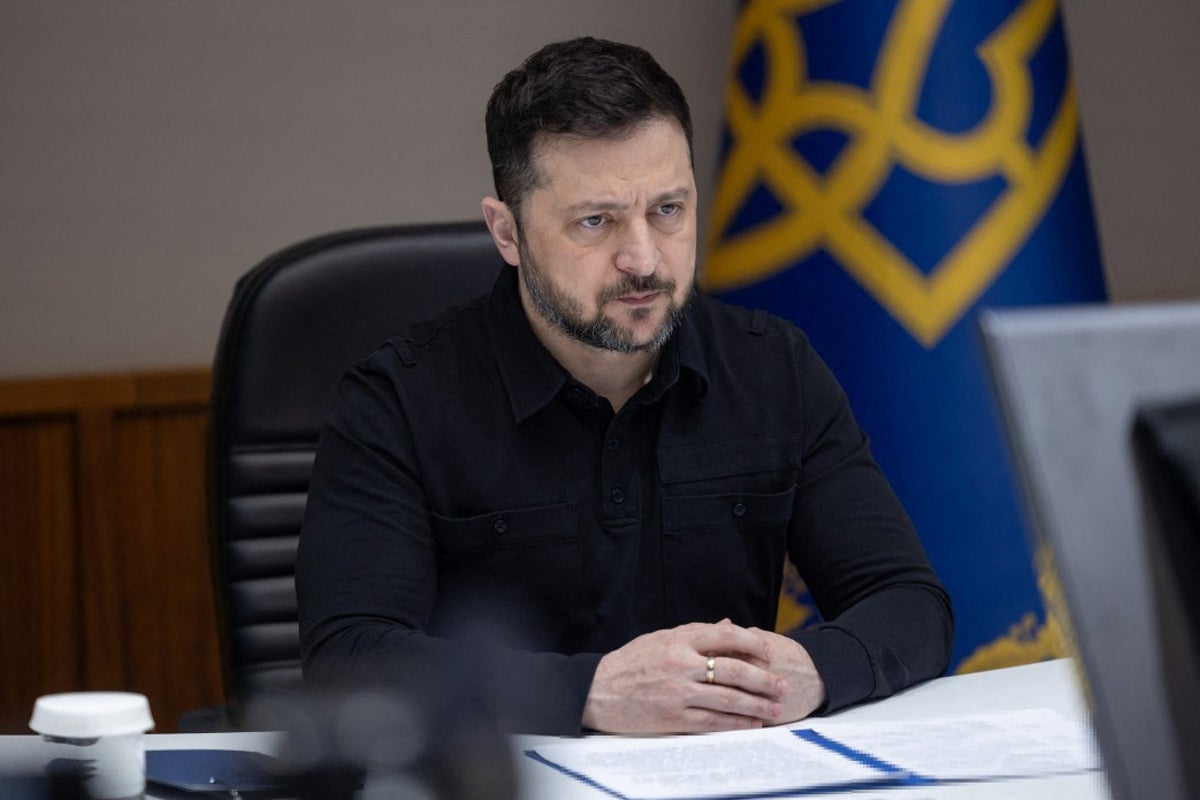
The visit of Volodymyr Zelensky to Saudi Arabia is not a diplomatic courtesy; it is a calculated play in geopolitical arbitrage. Ukraine is currently navigating a structural deficit in both kinetic hardware and diplomatic leverage within the Global South. By engaging Crown Prince Mohammed bin Salman (MBS), Kyiv seeks to exploit the friction between Riyadh’s "Vision 2030" domestic requirements and the Kremlin’s dependence on high energy prices. This intersection creates a narrow window for Ukraine to convert Saudi Arabia’s desire for global mediation status into tangible pressure on Russian logistical and financial networks.
The Strategic Triad of the Riyadh Summit
The logic of this diplomatic maneuver rests on three distinct pillars that define the current state of the conflict’s international dimensions.
1. The Mediation Premium
Saudi Arabia is aggressively pursuing a "Middle Power" identity. For MBS, the Russia-Ukraine conflict represents a low-risk, high-reward theatre to demonstrate Saudi autonomy from Washington. By hosting Zelensky, Riyadh signals to the G7 that it is the only actor capable of maintaining a functional backchannel to both the Kremlin and the Bankova. Ukraine’s objective is to raise the cost of this "neutrality" by demanding that Saudi mediation move beyond prisoner-of-war (POW) exchanges and into the realm of enforcing the 10-point Peace Formula, specifically regarding food security and nuclear safety.
2. Energy Market Synchronization
The relationship between Moscow and Riyadh is currently tethered by the OPEC+ framework. However, this is a marriage of convenience with inherent structural flaws. Russia requires sustained high oil prices to fund its war economy, whereas Saudi Arabia requires price stability and market share to fund its massive domestic infrastructure projects. Zelensky’s presence in Riyadh serves as a reminder that the continued destabilization of the Black Sea directly threatens the logistical safety of global energy and grain routes, which indirectly pressures the very market stability Saudi Arabia seeks to protect.
3. The Global South Gateway
Ukraine faces a perception crisis in the non-Western world, where the conflict is often viewed through the lens of a "European civil war" or a proxy fight between NATO and Russia. Saudi Arabia acts as a force multiplier for Ukrainian messaging. Success in Riyadh grants Kyiv a degree of legitimacy among Gulf Cooperation Council (GCC) members and, by extension, influential African and Asian states that mirror Saudi foreign policy stances.
The Logistics of Neutrality: Why the Middle East Matters
The Middle East serves as a primary hub for "parallel imports" and financial workarounds that sustain the Russian industrial base. Analyzing the flow of dual-use goods reveals that a shift in Saudi or Emirati enforcement of sanctions—even if unofficial—would create an immediate bottleneck for Russian procurement.
Ukraine’s strategy involves presenting a risk-reward matrix to the Saudi leadership:
- The Risk of Inaction: Continued Russian aggression leads to long-term volatility in the Suez Canal and the Red Sea, increasing insurance premiums for Saudi exports.
- The Reward for Alignment: Ukraine offers Saudi Arabia a primary seat in the multi-billion dollar reconstruction phase, positioning Saudi engineering and investment firms as leaders in the post-war European market.
Assessing the 10-Point Peace Formula through Saudi Interests
Zelensky’s primary deliverable is the "Peace Summit" hosted in Switzerland. His goal in Riyadh is to ensure Saudi participation at the highest level. For Ukraine, a "neutral" Saudi signature on a document emphasizing territorial integrity is more valuable than a supportive signature from a NATO member. This is due to the Diplomatic Legitimacy Variable: the weight of a peace proposal increases exponentially when endorsed by states that maintain active trade with the aggressor.
The specific points of the formula that align with Saudi strategic interests include:
- Food Security: As a major importer of grain, the GCC region is sensitive to Black Sea disruptions.
- Energy Security: Any escalation involving nuclear facilities (Zaporizhzhia) or energy infrastructure sets a precedent that could threaten Gulf desalination and oil processing plants.
- Radiation Safety: The normalization of nuclear brinkmanship is a direct threat to the regional stability required for Vision 2030’s success.
The Bottlenecks of Saudi Mediation
While the upside is significant, several structural constraints limit the effectiveness of this engagement.
The OPEC+ Constraint
The Saudi-Russian energy alliance is the bedrock of global oil price management. Riyadh will not jeopardize its ability to coordinate production cuts with Moscow for purely humanitarian or diplomatic reasons. Zelensky must therefore frame his requests in a way that does not force an "either/or" choice on energy policy, but rather focuses on areas where Russia is a liability to the broader cartel, such as unilateral disruptions to maritime law.
The Security Umbrella Paradox
Despite its "Global South" branding, Saudi Arabia remains fundamentally dependent on U.S. security guarantees. If the U.S. Congress remains deadlocked over Ukrainian aid, the Saudi leadership may perceive a decline in Western resolve, leading them to hedge more heavily toward Moscow or Beijing. Ukraine’s diplomatic mission is, in part, a marketing exercise to convince Riyadh that the Western coalition remains the dominant and more stable long-term partner.
Quantifying the Impact of POW Exchanges
Prisoner exchanges are often dismissed as peripheral to the kinetic war, but they serve as the primary Verification Mechanism for diplomatic trust. Each successful exchange facilitated by Riyadh serves as a data point proving that the Saudi channel is operational. For Zelensky, these exchanges are a tactical necessity to maintain domestic morale and a strategic tool to keep the Saudi leadership personally invested in the outcome of the conflict.
Tactical Implementation for the Kyiv-Riyadh Corridor
To convert this high-level meeting into a strategic advantage, the following operational steps are required:
- Establishment of a Joint Economic Commission: Moving the conversation from "aid" to "investment" by creating frameworks for Saudi sovereign wealth funds (PIF) to identify distressed but viable Ukrainian assets for post-conflict acquisition.
- Intelligence Sharing on Iranian Systems: Since both Ukraine and Saudi Arabia face threats from Iranian-designed drone technology (Shahed series), a technical-military exchange serves as a concrete foundation for a security relationship that bypasses the sensitivities of the Russia-Ukraine war.
- The "Grain From Ukraine" Expansion: Integrating Saudi logistics and financing to distribute Ukrainian agricultural products to third-party states in the Global South, thereby positioning Riyadh as the "humanitarian guarantor" of the region.
The success of the Riyadh trip will not be measured by the immediate signing of treaties, but by the level of Saudi representation at the upcoming Swiss Peace Summit. If MBS or a high-ranking deputy attends, it signals that the arbitrage has succeeded: Ukraine will have effectively leveraged Saudi Arabia’s ambition to dilute Russia’s influence in the non-Western world.
Direct the Ministry of Foreign Affairs to pivot the narrative from "territorial defense" to "global systemic stability" when engaging with GCC counterparts. Focus exclusively on the technical-legal violations of maritime and energy law to provide the Saudis with a "neutral" vocabulary they can use when pressuring their Russian partners in OPEC+ meetings.