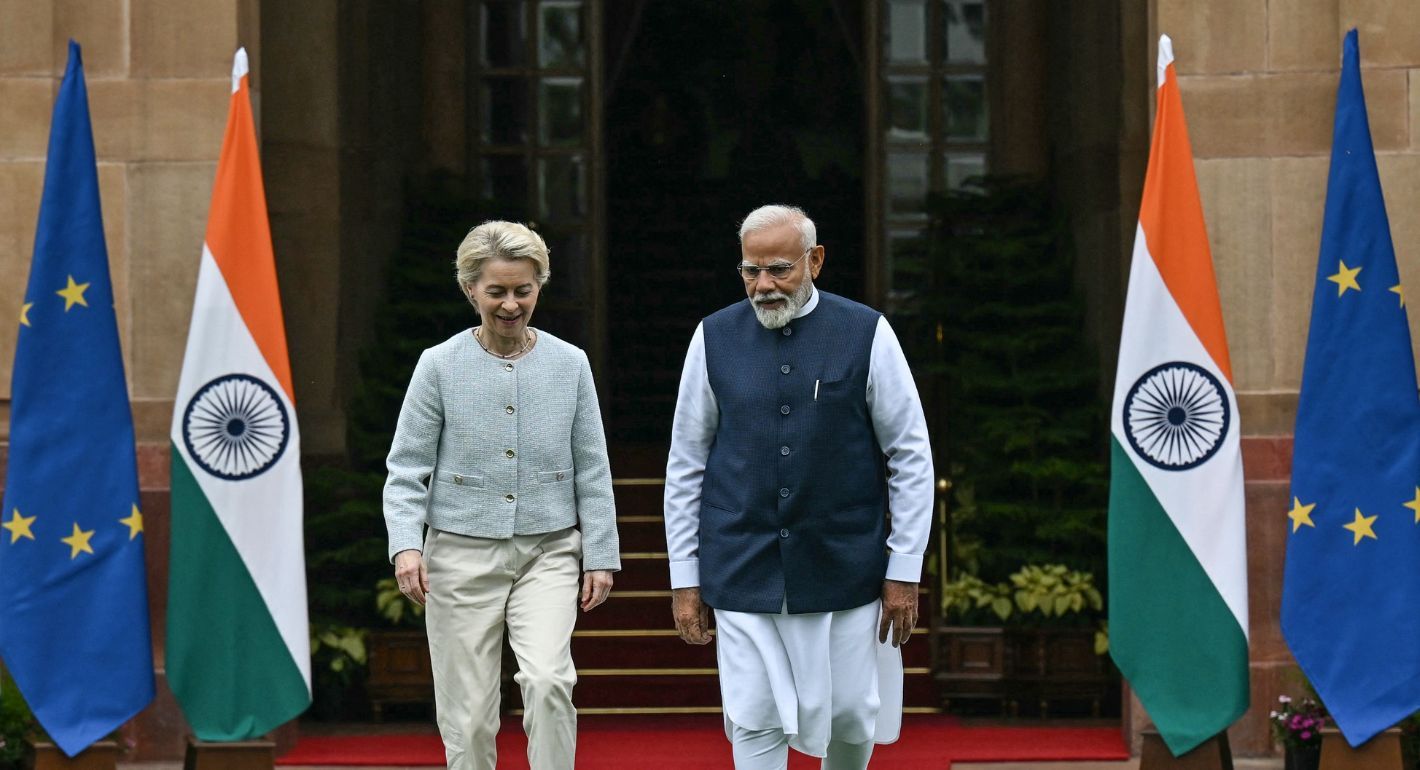
The meeting between Indian External Affairs Minister S. Jaishankar and European Commission President Ursula von der Leyen serves as a high-level synchronization of two distinct but intersecting strategic vectors: the stabilization of West Asian energy and maritime corridors and the technical acceleration of the India-EU Free Trade Agreement (FTA). While media narratives often frame these discussions as routine diplomatic courtesy, a structural analysis reveals a calculated effort to insulate economic integration from regional kinetic volatility.
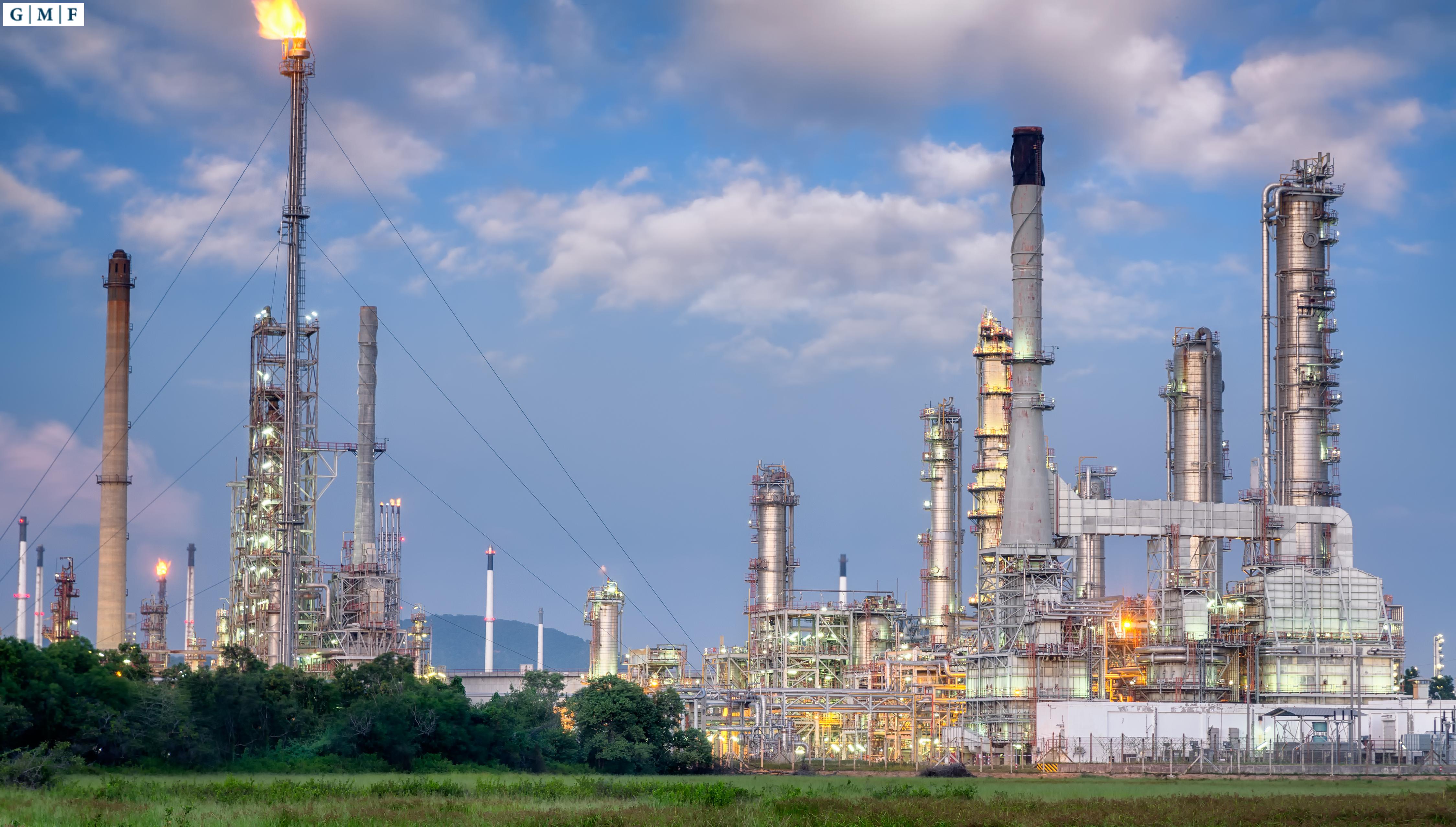
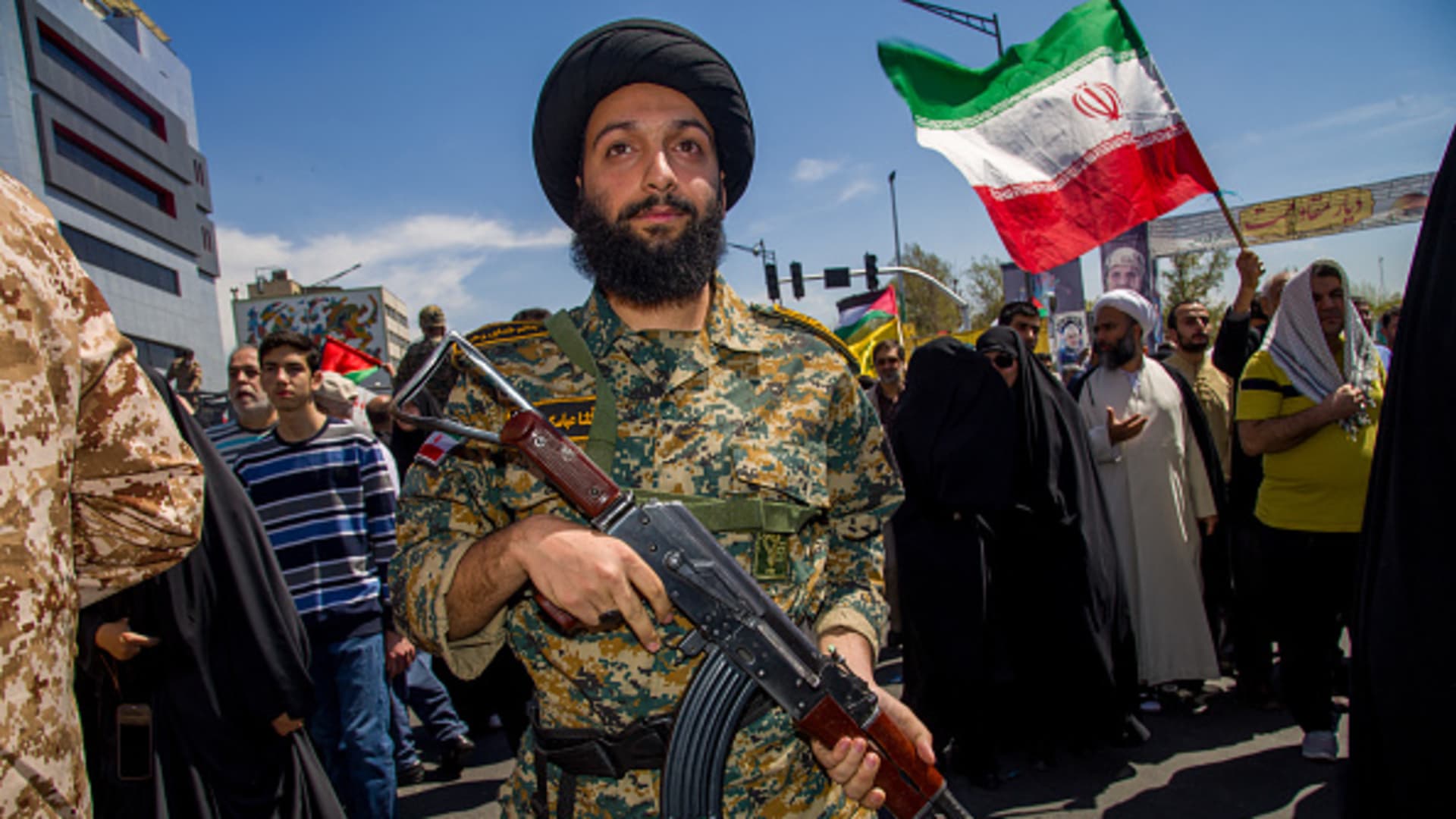
The West Asian Kinetic Variable and Supply Chain Integrity
The stability of West Asia is not merely a diplomatic preference for India or the EU; it is a fundamental prerequisite for the viability of the India-Middle East-Europe Economic Corridor (IMEC). Any prolonged escalation in the region introduces three specific "friction costs" that threaten the projected ROI of the India-EU economic partnership:
- The Insurance-Risk Premium: Maritime instability in the Red Sea and Persian Gulf forces a re-routing of cargo around the Cape of Good Hope. This adds approximately 10 to 15 days to transit times and increases fuel consumption, but the more insidious cost is the surge in war-risk insurance premiums, which can increase the landed cost of goods by 2% to 5%.
- Energy Feedstock Volatility: India relies on West Asian hydrocarbons for industrial scaling, while the EU seeks to diversify away from Russian energy. Conflict-driven price spikes function as a regressive tax on manufacturing in both jurisdictions, thinning the margins that the FTA is designed to expand.
- Infrastructure Debt Servicing: The physical components of the IMEC require massive capital expenditure. If the regional security environment remains "high-risk," the cost of capital for these projects increases, potentially rendering the entire corridor economically unviable before the first rail is laid.
Jaishankar’s engagement with von der Leyen focuses on creating a "security-economic nexus" where diplomatic pressure is applied to de-escalate regional tensions specifically to protect these emerging trade arteries.
Structural Bottlenecks in the FTA Implementation Phase
The India-EU FTA is currently transitioning from political intent to technical execution. This phase is characterized by a "Market Access Asymmetry" that both sides are attempting to resolve through iterative negotiation. The friction points are categorized into three primary domains:
The Carbon Border Adjustment Mechanism (CBAM) Conflict
The EU’s implementation of CBAM—a tax on carbon-intensive imports like steel and aluminum—serves as a non-tariff barrier for Indian exporters. From a Brussels perspective, this is a climate imperative; from a New Delhi perspective, it is a protectionist measure that ignores the "Common But Differentiated Responsibilities" (CBDR) principle of international climate law. The success of the FTA depends on whether the EU grants India a "transition period" or recognizes Indian carbon credit systems as equivalent.
Labor and Sustainability Standards
The EU frequently embeds "Level Playing Field" clauses into its trade agreements, demanding rigorous labor and environmental standards. India views these as "extra-trade issues" that can be used to bottleneck its competitive advantage in labor-intensive sectors. The negotiation strategy here involves decoupling "essential trade terms" from "aspirational social goals."
Digital Governance and Data Sovereignty
India’s "Data Localization" requirements conflict with the EU’s preference for the free flow of data under GDPR-like frameworks. This creates a deadlock for the services sector—a pillar of India’s economy. Without a "Data Adequacy" agreement, the FTA’s impact on the IT and professional services industry will be significantly muted.
The Geopolitical Function of the FTA
Beyond mere tariff reductions, the India-EU FTA is a tool for de-risking. For the EU, India represents the only viable demographic and industrial counterweight to China capable of absorbing large-scale manufacturing shifts. For India, the EU is a source of high-end technology transfer and the second-largest destination for its exports.
The "Cost Function" of failing to sign this agreement is high. Without a structured trade deal, Indian goods face a 10% to 15% disadvantage compared to competitors from countries that already have preferential access to the European Single Market. Conversely, EU firms miss out on the "Infrastructure Multiplier" currently driving the Indian economy—a massive rollout of 5G, green hydrogen plants, and high-speed rail.
Strategic Architecture of the Partnership
The current dialogue suggests a move toward a "Simplified Interim Agreement." This involves harvesting the "low-hanging fruit"—sectors like textiles, machinery, and certain chemicals—where tariff alignment is already close, while pushing the more contentious issues like dairy, wines, and spirits into a secondary phase.
The logic of this "Phased Integration" is to generate early wins that provide political cover for the more difficult concessions required later. This is a departure from the "Single Undertaking" model (where nothing is agreed until everything is agreed), reflecting a pragmatic recognition of the current global instability.
Operational Recommendations for Market Participants
The interplay between West Asian stability and the FTA progress suggests that multinational corporations and institutional investors should prioritize three strategic pivots:
- Inventory Buffer Expansion: Given the volatility in the Suez route, firms must move from "Just-in-Time" to "Just-in-Case" supply chain models, specifically for critical components sourced between India and Europe.
- Regulatory Mapping for CBAM: Indian manufacturers must accelerate the adoption of internal carbon auditing. Regardless of the FTA's final text, the EU's direction of travel on green imports is irreversible.
- Service Sector Localization: IT firms should establish "European Data Hubs" within EU borders to bypass current data-sharing deadlocks, rather than waiting for a comprehensive diplomatic resolution on data sovereignty.
The convergence of Indian and European interests is now driven by a shared vulnerability to external shocks. The "Jaishankar-von der Leyen" track is no longer about incremental cooperation; it is an exercise in structural fortification against a fragmented global order. The finalization of the FTA will be the definitive signal that both powers have moved from "strategic autonomy" to "strategic interdependence."
Monitor the specific "Rules of Origin" (RoO) clauses in the upcoming seventh round of negotiations; these will determine the true utility of the FTA for third-party components and represent the most granular hurdle to achieving a seamless trade corridor.