The prevailing narrative among London-based analysts and New York hedge fund managers is as predictable as it is lazy. Every time a drone flies over the Strait of Hormuz or tensions flare between Jerusalem and Tehran, the "regional contagion" playbook is dusted off. They predict oil price spikes that never quite stick and assume the Gulf Cooperation Council (GCC) will be dragged into a quagmire that devalues their sovereign wealth.
They are looking at a map from 1990. They are missing the most significant economic decoupling of the 21st century. Don't forget to check out our earlier post on this related article.
The GCC—specifically Saudi Arabia, the UAE, and Qatar—is no longer a proxy for Middle Eastern instability. It is becoming an insulated fortress of capital that thrives precisely because the rest of the Levant and the Iranian plateau are in shambles. If you are waiting for a regional war to tank the Saudi Tadawul or stop the cranes in Dubai, you will be waiting forever.
The Myth of the Oil Risk Premium
Traditional analysts love to talk about the "risk premium" in Brent crude. They argue that the threat of a closed Strait of Hormuz should floor the price at $100. It doesn't. Why? Because the market has finally realized that the GCC has spent twenty years building redundancy. To read more about the context of this, The Motley Fool offers an informative breakdown.
Saudi Arabia’s East-West Pipeline can move five million barrels a day to the Red Sea, completely bypassing the Persian Gulf. The UAE’s Habshan-Fujairah pipeline does the same, terminating outside the mouth of the Gulf.
When the "war drums" beat, the GCC doesn't panic; they capture the spread. The real risk isn't a supply shock; it’s the transition to a permanent state of "gray zone" conflict that keeps oil prices in a Goldilocks zone—high enough to fund Neom and the Dubai 2033 Economic Agenda (D33), but not high enough to trigger a global recession that kills demand. The GCC has mastered the art of being the world's most stable gas station in a neighborhood on fire.
Capital Flight is Moving Toward the Fire, Not Away From It
The "lazy consensus" suggests that war in the north means capital flight from the south. The opposite is happening.
I have watched billions of dollars in private equity and family office capital migrate from Beirut, Cairo, and even parts of Europe and Asia into the DIFC (Dubai International Financial Centre) and ADGM (Abu Dhabi Global Market). In a world of fragmenting geopolitics, the GCC has positioned itself as the "neutral ground" of the 21st century. They are the new Switzerland, but with better weather and deeper pockets.
Consider the Abraham Accords. While pundits claimed the current conflict would shred these agreements, the underlying trade flows tell a different story. The logic of the GCC is now purely transactional. They have moved beyond the ideological baggage that hamstrings the rest of the region. They are building a post-oil reality that requires regional stability, yes, but they have proven they can maintain localized stability even when the border is a war zone.
The Fallacy of the "Fragile State"
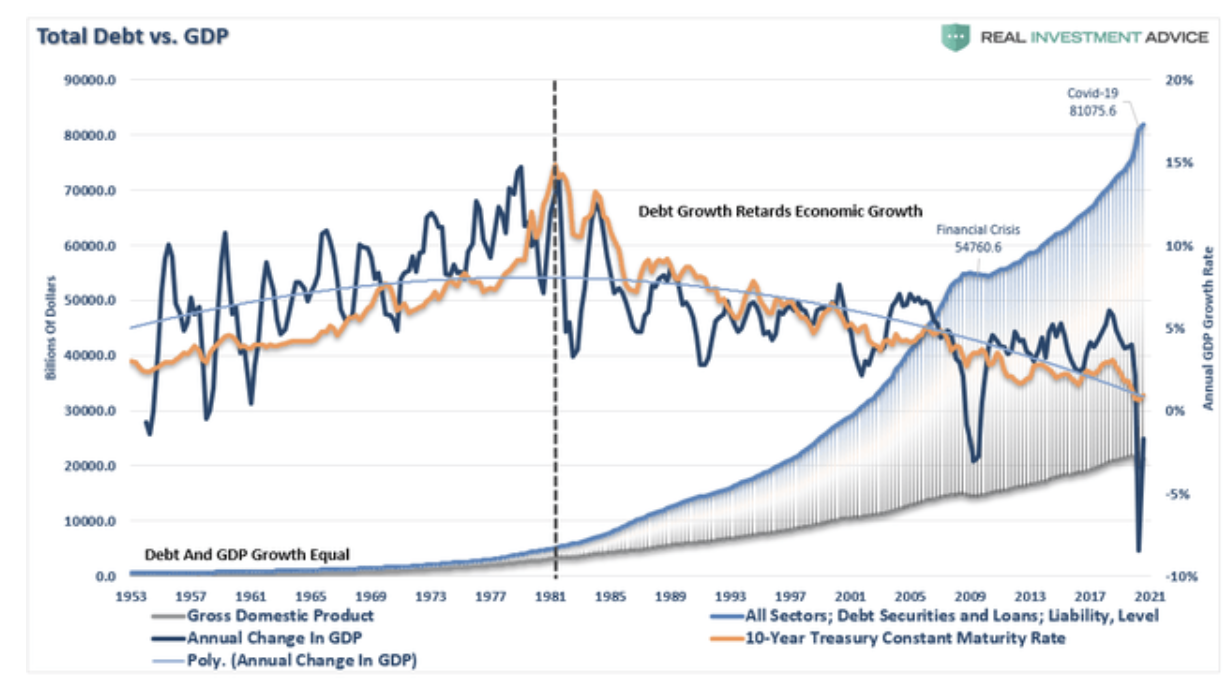
Critics look at the debt-to-GDP ratios of Bahrain or the massive spending of the Public Investment Fund (PIF) and scream "bubble." This ignores the fundamental shift in how these states operate. They aren't just selling oil; they are buying the world's future industries.
When the PIF takes a massive stake in gaming, electric vehicles, or semiconductors, they aren't just diversifying; they are creating a captive internal economy. The "Vision 2030" skeptics forget that an absolute monarchy with $700 billion in liquid assets doesn't face the same "market pressures" as a Western democracy. They can stay irrational—and liquid—longer than you can stay short.
Why the "Iran vs. Israel" Fear is a Distraction
The headlines focus on the kinetic exchange of missiles. The smart money focuses on the fact that neither Iran nor Israel can actually afford to disrupt the GCC’s economic engine.
Iran needs the UAE as its primary window to the global financial system (however unofficial it may be). Israel needs the GCC as its only path toward regional integration and a counterweight to Turkey. The GCC is the only party in the room that everyone needs to keep solvent.
If you are an investor, the "conflict" is a noise machine designed to shake out weak hands so the sovereign wealth funds can buy the dip. I’ve seen this play out in 2008, 2014, and 2020. Every time the world counts the Gulf out due to "regional tensions," they emerge with more market share and more global influence.
The Harsh Reality of GCC 2.0
Let’s be brutally honest: The GCC’s success is built on the failure of its neighbors. The more unstable Iraq, Syria, Lebanon, and Yemen become, the more the GCC stands out as the only viable destination for talent and investment in the hemisphere.
- Labor Arbitrage: They are vacuuming up the best minds from the Levant and Egypt who have no future in their home countries.
- Regulatory Sovereignty: While the EU strangles itself in red tape and the US flips between protectionist regimes, the GCC is rewriting its legal codes overnight to attract AI, crypto, and biotech.
- Energy Dominance: They aren't just oil producers anymore; they are becoming the world's low-cost green hydrogen leaders.
The "contagion" isn't war. The contagion is the GCC’s brand of hyper-capitalist statecraft, and it is spreading.
Stop Asking if the War Will Hurt the Gulf
You are asking the wrong question. You should be asking how the Gulf is leveraging the chaos to cement its status as the world’s new economic center of gravity.
The US-Israel-Iran triangle is a 20th-century problem. The GCC is a 22nd-century project. They have already priced in the chaos. They have already built the bypasses. They have already moved the money.
If you’re still waiting for the "inevitable" crash caused by regional war, you’re not an analyst; you’re a historian. And in this market, historians go broke.
Buy the stability. Ignore the smoke. The desert is blooming, and it’s fueled by the very volatility that the rest of the world fears.
Move your capital or get out of the way.