You probably don't think about the beetles under your rosebushes until they start eating the leaves. That's a mistake. Most of us treat our backyards like private outdoor living rooms, but they’re actually high-stakes biological battlegrounds. Right now, scientists are desperate to know who’s winning those battles, and they can't do it without you.
The annual call for volunteers to join the national bug survey isn't just another feel-good "nature" activity. It's a massive data-collection machine designed to stop the freefall of insect populations across the country. We've reached a point where we don't even know what we’re losing until it's gone. If you've got ten minutes and a smartphone, you’re basically a field biologist. It doesn't matter if you have a sprawling garden or a single window box in a concrete jungle.
The Quiet Collapse and Why You Should Care
Insects are the engine room of our entire ecosystem. They're the ones cleaning up waste, pollinating our food, and feeding the birds that wake us up in the morning. For years, we've ignored them because they're small, occasionally bite, and generally stay out of sight. But the numbers coming back from recent surveys are honestly terrifying.
Some regions report a drop in flying insect biomass of over 75 percent in the last few decades. That's not just a statistic. It’s a systemic failure. When the bugs go, the birds follow. Then the soil quality drops. Then the crops fail. Scientists call it the "windshield effect"—that weird realization that you don’t have to clean bugs off your car glass as often as you did twenty years ago. It sounds convenient, but it’s actually a warning light on the dashboard of our planet.
Participating in a bug survey gives researchers the granular data they need to pinpoint where things are going wrong. They can see which species are holding on in urban areas and which ones are vanishing from the countryside. You’re providing the "where" and the "when" that a satellite or a lab can’t see.
How to Actually Count Bugs Without Losing Your Mind
Most people think a bug survey involves catching things in jars and pinning them to boards. It’s not that intense. Modern surveys are built for regular people with busy lives. You don’t need a degree in entomology.
The Smartphone Method
Most organizations now use apps like iNaturalist or specific project-based platforms. You take a photo, the GPS tags the location, and an AI (or a group of experts) helps identify the species. It takes thirty seconds. This "citizen science" approach has revolutionized how we track migrations.
The Ten Minute Window
Many surveys just ask you to pick one flower or one patch of ground and watch it for ten minutes. You count how many insects land. That’s it. These "timed counts" are incredibly valuable because they provide a snapshot of activity levels.
The Night Shift
Moths are the unsung heroes of pollination. Setting up a simple light trap—basically just a white sheet and a bright bulb—at night can reveal a whole world of creatures you never knew lived in your yard. It’s actually pretty cool to see the sheer variety of patterns and colors that come out after dark.
Stop Treating Your Yard Like a Golf Course
If you want to help with the survey, you also need to make sure your yard is worth counting. A perfectly manicured, chemical-soaked lawn is a desert for insects. It's boring for them and it's boring for us.
I’ve seen people spend thousands of dollars on pesticides to kill "pests," only to wonder why their fruit trees aren't producing. They killed the pollinators too. You can’t have the good without the "gross."
Let a corner of your yard go wild. Leave the leaves. Keep the dead wood. Insects need those messy places to breed and hide from predators. When you participate in these surveys, you start to notice these connections. You realize that a "weed" is actually a buffet for a specific type of bee. You see that a pile of logs is a luxury hotel for beetles.
The Data Doesn't Lie
Governments and conservation groups use the data from these volunteer surveys to decide where to build roads, where to protect land, and how to manage parks. Without this information, they’re just guessing.
When you submit your findings, you’re adding a data point to a map that spans the entire country. You might think your single bumblebee sighting doesn't matter, but when ten thousand people report that same bee, we see a trend. We see where they're moving because of climate change. We see which pesticides are actually doing the most damage.
Myths That Keep People From Helping
A lot of people think they’ll "mess up the data" by misidentifying a bug. Don't worry about it. The experts who run these programs expect a certain level of error. That’s why they ask for photos. They'd rather have ten "maybe" sightings than zero "perfect" ones.
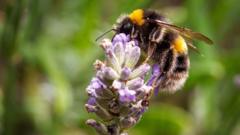
Another common excuse is that your garden is "too small." Insects don't care about your property lines. A tiny balcony with a pot of lavender can be a vital refueling station for a butterfly on a hundred-mile journey. Every square inch of green space counts.
Get Moving Before the Season Ends
Bug surveys usually run during the peak of spring and summer when activity is highest. If you wait until you "have more time," the season will be over.
- Find a project: Look for national insect counts or local university-led surveys.
- Download the app: Get your tech ready before you step outside.
- Pick a spot: Find a place with some floral variety or shade.
- Log your first bug: Don't overthink it. Just start.
The bugs are doing the heavy lifting for our environment. The least you can do is count them. It’s a small price to pay for a functioning ecosystem. Grab your phone, head outside, and see who’s actually living in your garden. You might be surprised at what you find.