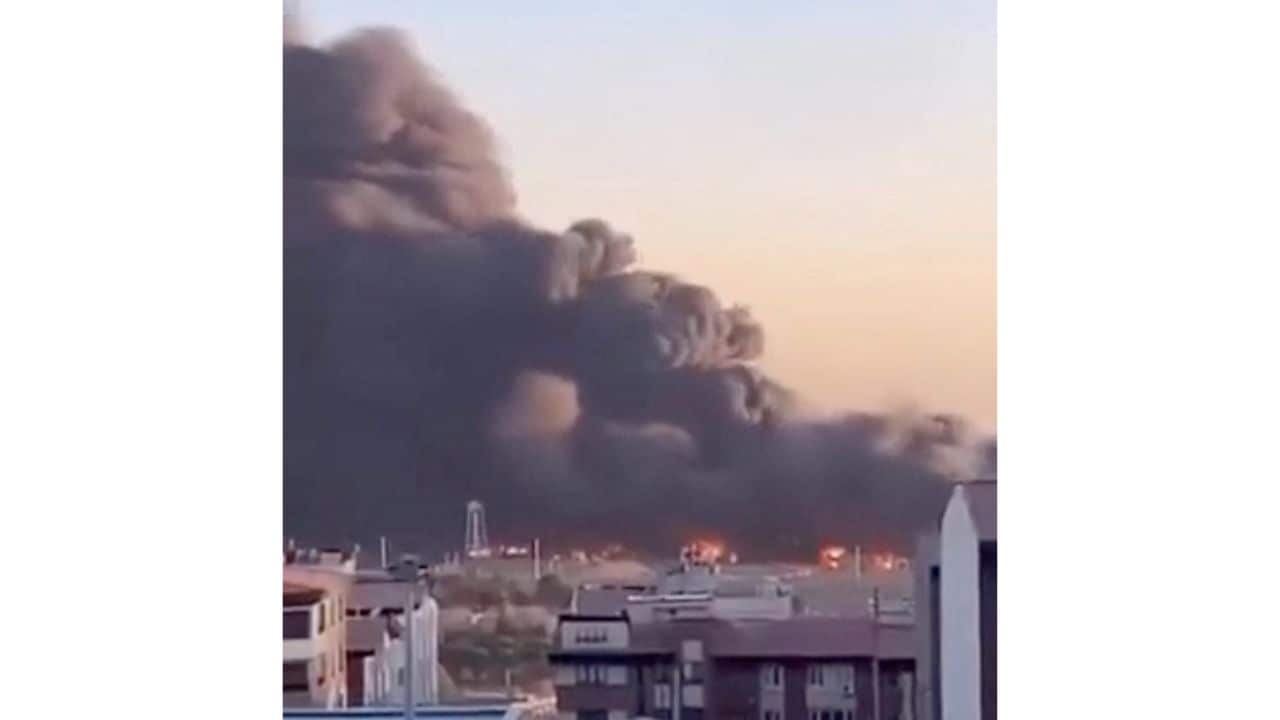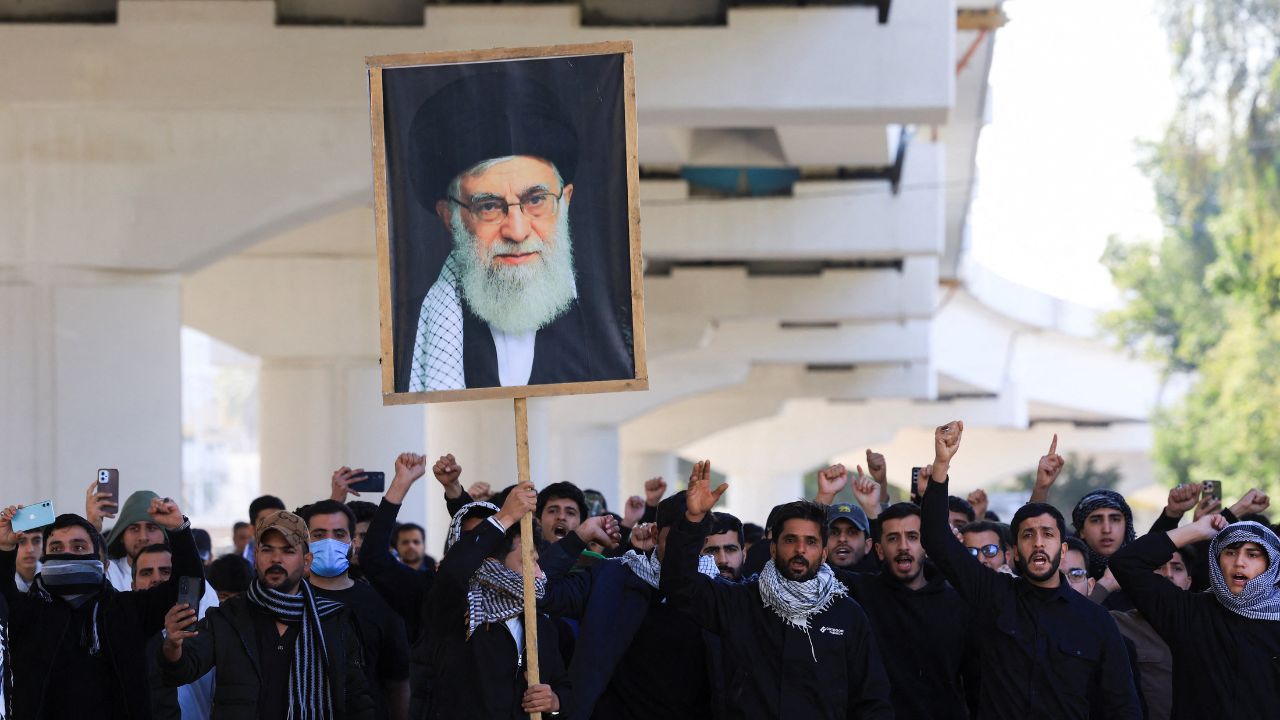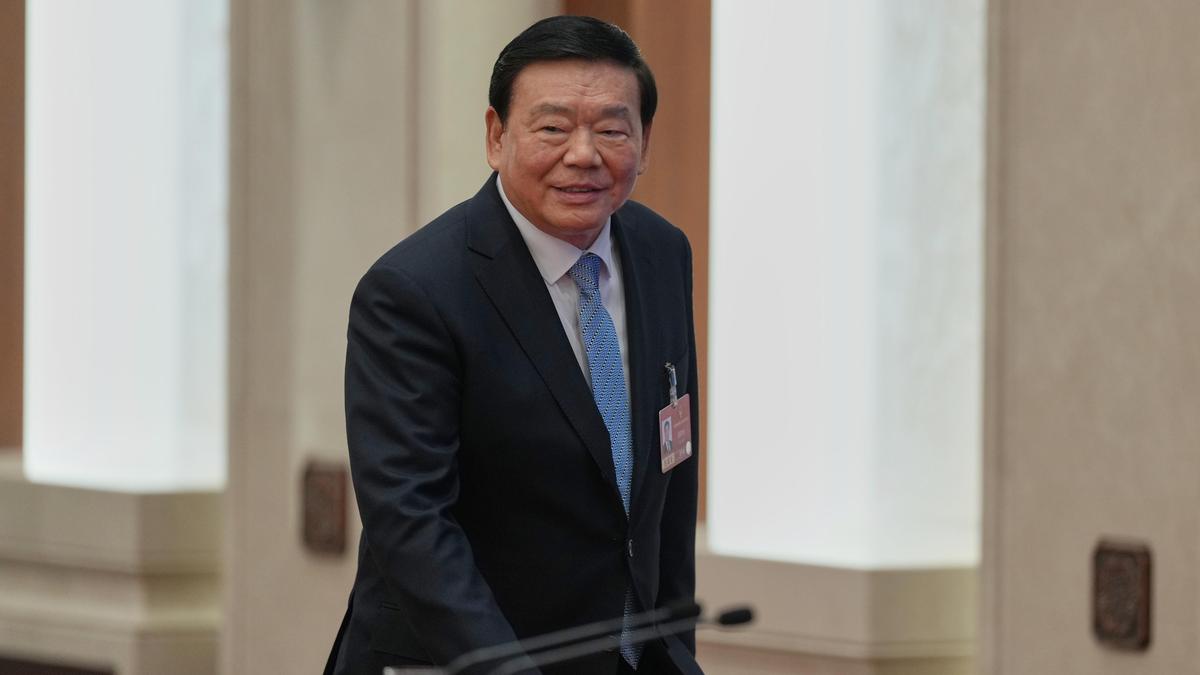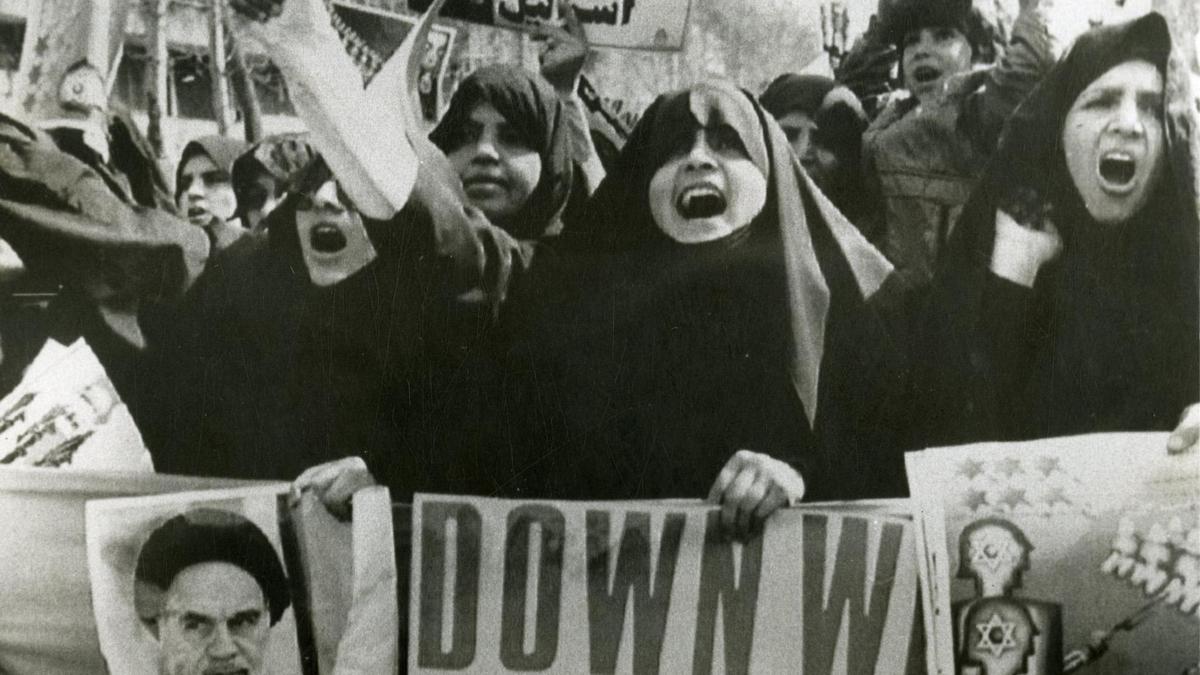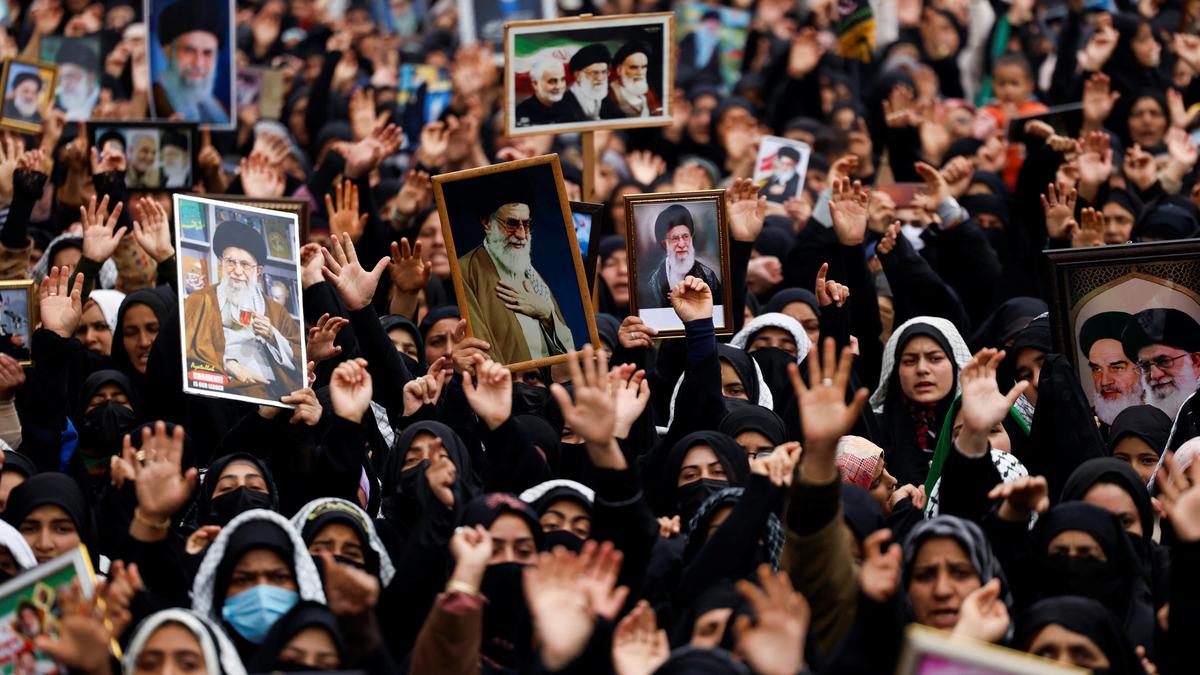
The images of weeping crowds in Tehran are a performance piece. While international media outlets scramble to document the "end of an era" and the somber farewell to Ali Khamenei, they are falling for the same trap that has blinded Western intelligence for forty years. They see a sea of black-clad mourners and read it as a mandate. They see a state-managed funeral and call it "national unity."
They are wrong. This isn't a funeral for a leader; it’s a high-stakes branding exercise for a regime that is effectively a hollow shell. The spectacle in Tehran isn't about the man in the casket. It is a desperate attempt to project a vertical power structure that has actually been horizontal and fractured for a decade. For another perspective, consider: this related article.
If you are looking at the streets of Tehran to understand what happens next, you are looking at the wrong map.
The Succession Fallacy
The "lazy consensus" among geopolitical analysts is that the death of the Supreme Leader triggers a constitutional crisis or a sudden, violent power vacuum. This assumes the Office of the Supreme Leader (the Beyt-e Rahbari) operates like a traditional monarchy or a Western presidency. It doesn’t. Related reporting on this matter has been published by USA Today.
In reality, the Iranian state has spent the last fifteen years "Khamenei-proofing" its infrastructure. Power in Iran doesn't sit with one man; it is distributed across a shadowy conglomerate of the Islamic Revolutionary Guard Corps (IRGC), the bonyads (charitable foundations that control 20% of the GDP), and the clerical elite.
The funeral is the distraction. While the world watches the coffin, the IRGC is finalizing the transition from a theocracy to a military-industrial complex. The next "Supreme Leader" will likely be a figurehead—a clerical rubber stamp for a military junta that has already seized the means of production, the borders, and the ballistic program.
The Demographic Mirage
Media reports focus on the "millions" in the streets. Let’s talk about the math of coerced participation. I have sat in rooms with former Iranian bureaucrats who described the logistics of these events:
- The Civil Service Tax: If you work for the state, your attendance is your performance review.
- The Logistics of Grief: Busing in rural populations who receive food vouchers and "religious merit" for showing up.
- The Camera Angle: It is a cinema trick as old as the hills. Frame a tight shot of a crowded intersection and call it a city in mourning.
The reality is a country where 70% of the population is under the age of 40, facing 40% inflation, and living in a digital world the regime tries to kill every Friday. The people in the streets represent the "10% core"—the beneficiaries of the system. The other 90% are at home, watching the price of bread and waiting for the IRGC to slip.
The Assembly of Experts is a Theatre of Shadows
People ask: "Who will the Assembly of Experts choose?"
This is the wrong question. The Assembly of Experts is a body of geriatric clerics whose primary function is to provide a veneer of religious legitimacy to decisions made months ago in IRGC safehouses. To think these men will engage in a spirited, democratic debate about the theological merits of the next leader is like thinking the board of a subsidiary company decides the CEO of the parent conglomerate.
The real decision-makers are not wearing robes. They are wearing olive drab.
Why Mojtaba Khamenei is a Red Herring
The rumor mill loves the "hereditary succession" narrative involving Khamenei’s son, Mojtaba. It’s a clean story. It fits the "dictator" trope. But it ignores the fundamental DNA of the 1979 Revolution, which was built on the rejection of hereditary Pahlavi rule.
To appoint Mojtaba is to admit the Revolution failed. It would provide the ultimate spark for a popular uprising. The IRGC knows this. They don't want a lightning rod; they want a shield. They need a quiet, mid-level cleric who is grateful for the job and knows how to stay out of the way of the Quds Force.
The Economic Reality No One Mentions
The funeral costs millions, but the regime’s bank account is a mess of sanctioned oil deals and black-market arbitrage. The real threat to the transition isn't an ideological shift—it’s a liquidity crisis.
The "shadow economy" in Iran is the only thing keeping the lights on. This is handled by the IRGC-controlled engineering firms like Khatam-al Anbiya. For these entities, the death of the Leader is a risk-management event. They need a "stable" funeral to ensure their Chinese and Russian partners that the contracts will be honored.
If you want to see who the next leader is, don't look at who is leading the prayers. Look at who is meeting with the CEOs of the state-run banks this week.
Stop Asking About "Reformers"
One of the most tiring tropes in Western reporting is the search for a "moderate" or "reformer" who might take the reins. There are no reformers left. They were purged in 2009, humiliated in 2017, and silenced in 2022.
The system has evolved into a biological organism that rejects any foreign DNA of moderation. Any candidate that makes it through the Guardian Council’s vetting process is, by definition, an ultra-hardliner. Expecting a "thaw" because the old man died is a symptom of historical amnesia.
The machine doesn't change because the operator dies. The machine was built to run without an operator.
The Actionable Truth for the West
The international community needs to stop sending "condolences" to a people they claim to want to liberate. Every official statement of sympathy is a brick in the wall of the regime’s legitimacy.
Instead of analyzing the funeral, analyze the cracks in the IRGC's internal loyalty. The transition period is the only time when the mid-level colonels might feel brave enough to wonder if they’d be better off under a different system. That is where the leverage is.
The funeral is a distraction. The mourning is a mandate for the cameras. The transition is already over.
You are watching a movie that ended twenty minutes ago.
Turn off the television. Watch the currency markets. Watch the border skirmishes. Watch the water protests in Isfahan. That is where the real Iran is dying and being reborn—not in a gold-flecked coffin in Tehran.
Stop mourning a ghost. Start preparing for the junta.