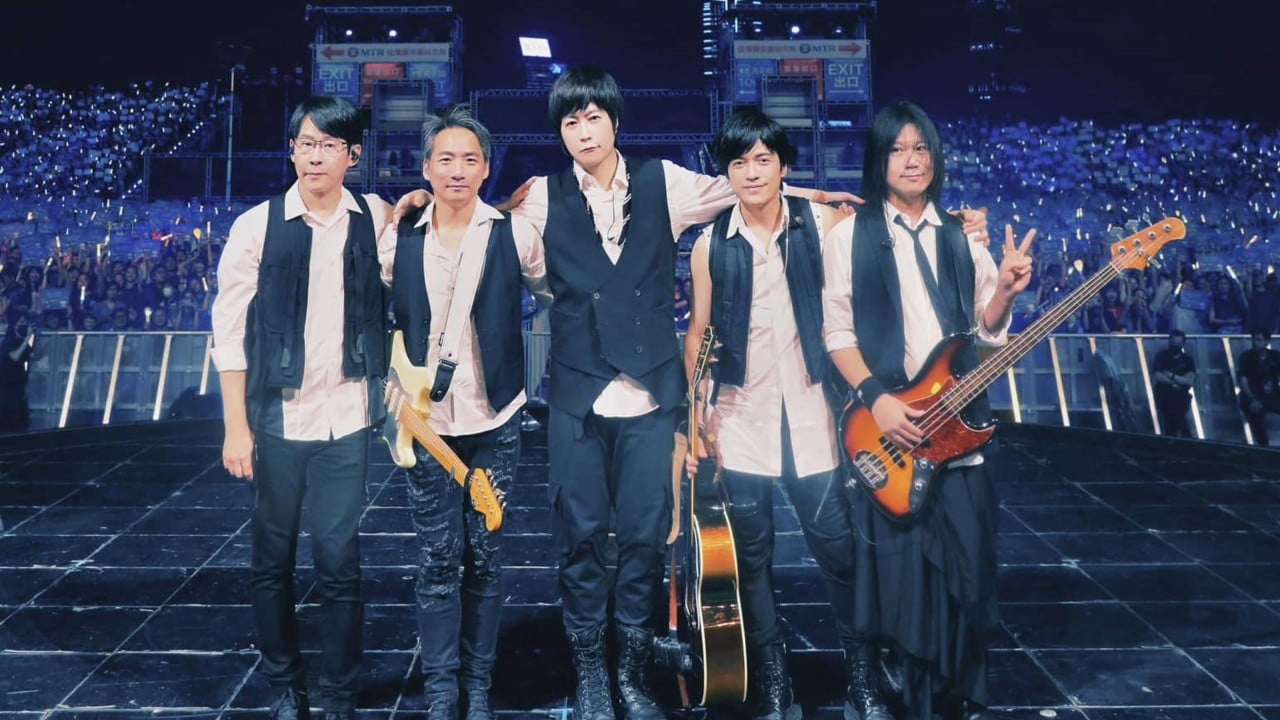
The modern music industry operates on a singular, cynical premise: if you give away something for "free" after a failure, the audience will forget you broke the contract.
When Taiwan’s veteran rock giants, Mayday, saw their highly anticipated Hong Kong residency derailed by a freak rainstorm and a subsequent LED screen fire, the PR machinery kicked into overdrive. The result? A "free rehearsal" invitation for disgruntled fans. The media swallowed it whole. Headlines framed it as a touching gesture of "fan service." Meanwhile, you can find other events here: The Gilded Guillotine at Burbank and Olive.
They are wrong.
This isn't an act of generosity. It is a calculated move to preserve a multi-million dollar touring ecosystem while shifting the emotional labor of a failed production onto the consumer. If you think a 30-minute soundcheck compensates for a lost stadium experience, you aren’t a fan—you’re a beta tester for a brand that knows it can fail and still get paid. To understand the full picture, we recommend the excellent analysis by The Hollywood Reporter.
The Myth of the Make-Good
Let’s look at the mechanics of the "free rehearsal." To the uninitiated, it sounds like an exclusive, intimate peek behind the curtain. In reality, it is the most cost-effective way to dampen a potential class-action sentiment without actually issuing full refunds for the secondary costs fans incur.
A concert is a contract. You pay for a specific duration, a specific setlist, and a specific production value. When a show is axed, that contract is breached. By offering a "rehearsal," the band creates a psychological loophole. They provide "content" that satisfies the base urge for proximity to stardom, but they do so without the massive overhead of a full performance.
- No full pyrotechnics.
- No union-regulated full-show staffing.
- No liability for the full "show" experience.
I have watched promoters burn through contingency funds trying to reschedule dates, only to realize that "exclusive access" is a cheaper currency than actual cash. Mayday didn't offer a free show; they offered a spectator seat to their workday.
The Geography of Disappointment
The "lazy consensus" in music journalism ignores the logistics of the modern fan. A significant portion of Mayday’s Hong Kong audience traveled from mainland China and across Asia. For these people, the ticket price is the smallest variable in the equation.
Imagine a scenario where a fan spends $800 on flights, $400 on a hotel in Tsim Sha Tsui, and takes two days of unpaid leave. When the show is canceled, those costs are sunk. By the time Mayday announces a "free rehearsal" for the following day or a later date, that fan is already at the airport or back at their desk in Shanghai.
The "free" gesture only benefits the locals. It creates a tiered class system of fandom where those with the least "skin in the game"—the ones who live three subway stops away—are rewarded, while the "super-fans" who traveled are effectively penalized for their loyalty.
Safety as a Convenient Shield
The official narrative blamed "inclement weather" and a "technical fire" for the cancellation. While safety is the ultimate trump card in live entertainment, it is often used to mask architectural failures in tour planning.
If your stage design involves a massive LED structure that cannot withstand the predictable humidity and rainfall of a Hong Kong spring, that isn't an "act of God." That is an engineering oversight. Relying on "safety" as a reason to cancel allows a band to exit the stage with their moral high ground intact, while the fans are left holding the bill for the infrastructure's fragility.
True industry veterans know that a robust tour plan accounts for the environment. If your gear catches fire after a drizzle, your production team failed. Period. Masking that failure with a "heartfelt" rehearsal invite is gaslighting the audience into believing the band is a victim of the elements, rather than a victim of poor procurement.
The Parasocial Tax
Mayday has spent decades cultivating a "youth and dreams" image. This is their greatest asset and their most dangerous weapon. Because the fans feel a deep, parasocial connection to "Ashin" and the crew, they are conditioned to forgive logistical incompetence that they would never tolerate from a telecommunications provider or an airline.
The industry calls this "brand equity." I call it the Parasocial Tax.
The band leverages your emotional investment to bypass the standard expectations of a service provider. When they offer a free rehearsal, they are asking you to do them a favor by showing up and validating their "effort." They are turning a business failure into a communal bonding moment. It is brilliant marketing, but it is a terrible precedent for the live music sector.
Stop Accepting Scraps
The "People Also Ask" sections of the internet are filled with queries about how to get refunds or whether the "free" event is worth it. The answer is brutally honest: No.
By accepting these low-cost substitutes, fans signal to the global touring industry that full-scale accountability isn't necessary. If Taylor Swift or Coldplay can cancel a show and replace it with an "unplugged session," and the fans cheer, why would any promoter ever invest in the expensive redundancies required to ensure the show goes on?
The "free rehearsal" is a degradation of the art form. A rehearsal is a workspace. A concert is a climax. Confusing the two is like a five-star restaurant burning your steak and offering you a seat in the kitchen while they prep for tomorrow’s lunch. You aren't "seeing behind the scenes"—you’re watching them do the job they already failed to do for you.
The Hidden Revenue of Free
There is no such thing as a free event in a stadium. Even if the tickets are $0, the ecosystem wins.
- Data Harvesting: To claim a "free" ticket, you usually have to register via an app or a mailing list, providing fresh data for future marketing.
- Merchandise Sales: A crowd in a venue is a captive audience for $50 T-shirts. A "free" rehearsal often generates more high-margin merch revenue than the original show because the fans feel a "debt of gratitude" to the band for the "free" invite.
- Sponsorship Obligations: Bands have contracts with brands (beverages, banks, electronics). These sponsors require "eyeballs." A free rehearsal helps satisfy those contractual "impressions" that were lost when the main show vanished.
Mayday isn't just playing music; they are fulfilling a balance sheet.
The Counter-Intuitive Fix
If Mayday actually wanted to disrupt the status quo and respect their audience, they wouldn't offer a rehearsal. They would offer a Travel Contingency Fund.
Imagine a band that says: "We failed. Our stage wasn't waterproof. We are refunding your tickets and providing a voucher for your next flight back to see us." That is what accountability looks like. That is what a "rock star" move actually is.
Instead, we get a soundcheck with the house lights up.
Stop applauding for the bare minimum. The moment you accept a rehearsal as a substitute for a production, you have told the industry that your time, your travel, and your expectations have a price tag of zero.
The stage didn't just catch fire in Hong Kong; the very idea of the "concert-as-contract" went up in smoke. And the fans are the ones still coughing on the fumes.
Don't go to the rehearsal. Demand the show you were promised, or demand the money that reflects the totality of your loss. Anything else is just participating in a PR stunt designed to silence your wallet with a melody.
Stop being a "fan" and start being a client. The music might be art, but the ticket is business. Treat it like one.