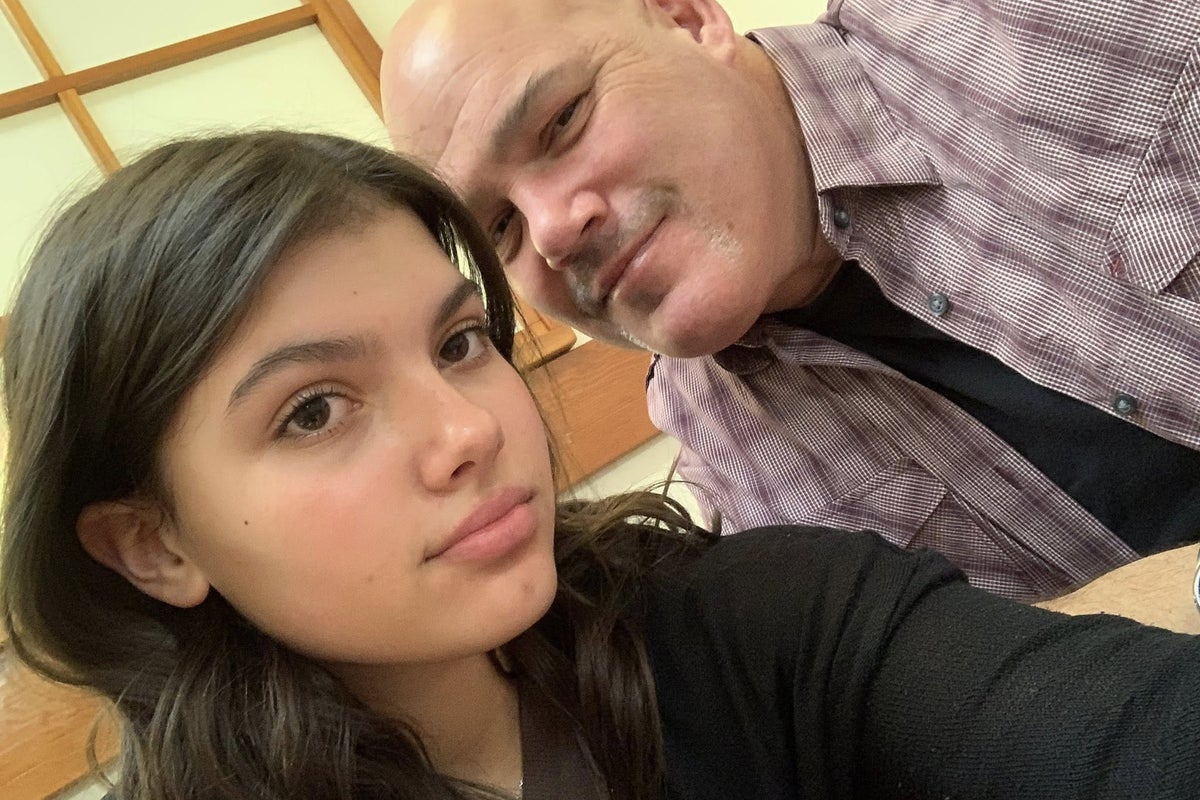
The headlines are predictable. They read like a script from a low-budget horror flick: "Backpacker Drowned by Dingoes." It is a tragic narrative, but it is also a convenient lie. By focusing on the apex predator, we avoid the uncomfortable truth about the recklessness of the modern travel industry and the physical reality of the Australian bush.
Nineteen-year-old Thomas Comeau didn’t just die because of a canine attack. He died because of a systemic failure to respect the fundamental rules of the wild. If you want to understand why this keeps happening, you have to stop looking at the dingoes and start looking at the maps, the tour operators, and the delusional "safe" branding of K’gari (Fraser Island).
The Drowning Misconception
The coroner’s report confirms that Comeau died by drowning. The dingoes didn't drag him into the depths; they chased him into the water. This distinction is vital. It highlights a physiological response that most travelers are never taught: the panic-driven flight into a secondary hazard.
In most predator encounters, the instinct is to flee. In a landscape like K’gari—a massive sand island surrounded by treacherous currents—the ocean looks like a sanctuary. It isn't. The Pacific Ocean on the eastern side of the island is a graveyard of rip tides and crushing swells. When a human, exhausted and terrified, enters that water under duress, the outcome is almost always a death sentence.
The media focuses on the "viciousness" of the dingo. This is lazy. The dingo is an opportunistic scavenger. It behaves exactly how $Canis \ lupus \ dingo$ has behaved for thousands of years. The variable that changed isn't the dog; it’s the human element.
The Myth of the Wild Pet
Tourists treat K’gari like a petting zoo with a beach. I’ve spent years watching people throw scraps of bread at apex predators while holding an iPhone in the other hand. They want the "authentic" experience without the authentic risk.
Here is the cold reality: Fraser Island dingoes are not "wild dogs." They are a genetically distinct lineage that has been increasingly habituated to human presence. Habituation is not domestication. In fact, habituation is far more dangerous. A wild animal that fears humans stays away. A habituated animal views humans as a mobile vending machine. When the machine stops dispensing food, the animal tries to break the machine.
Tourism Operators Are Complicit
The travel industry sells a sanitized version of adventure. They use high-definition drone shots of crystal-clear lakes and white sands. They rarely show the reality of a 19-year-old alone at night on a beach known for high predator activity.
Why was a teenager alone in a high-risk zone? Because the "safety briefings" given by many budget tour companies are a joke. They are liability-shielding exercises designed to tick a box, not to instill a genuine survival mindset. They tell you "don't run," but they don't explain the predatory drive that running triggers in a pack. They don't tell you that at 3:00 AM, you are the only prey in sight.
The industry promotes the idea that if you follow a few simple rules, the wilderness will respect your boundaries. It won't. Nature is indifferent to your itinerary.
The Logistics of a Pack Attack
To understand the Comeau case, you have to understand pack dynamics. Dingoes do not hunt like lions. They harass. They nip. They wear the target down. They use the environment to their advantage.
In a scenario where a human is isolated, a pack of three or four dingoes doesn't need to be large to be lethal. They use psychological pressure. By nipping at the heels and flanks, they drive the target toward an obstacle or into the surf. Once the target is in the water, the human’s physical advantages—height, reach, and the ability to strike back—are neutralized by the waves.
This isn't a "freak accident." It is a predictable biological interaction between a hunter and a displaced primate.
Stop Blaming the Animals
The immediate reaction to these tragedies is usually a call for a cull. People want the dingoes gone. This is the ultimate "lazy consensus." Culling doesn't solve the problem; it creates a vacuum that younger, more aggressive, and less experienced dingoes fill.
The problem is the density of people. K’gari sees hundreds of thousands of visitors a year. The infrastructure is built for comfort, not for the segregation of species. We have built campsites in their hunting grounds and then acted shocked when they show up for dinner.
If we were serious about preventing another drowning, we would stop "managing" the dingoes and start managing the humans.
The Hard Truth for Travelers
You are not entitled to safety in the wild. If you choose to hike, camp, or walk alone on an island known for its predator population, you are accepting a risk that no amount of government signage can mitigate.
The death of Thomas Comeau should have been a turning point for how we discuss travel safety. Instead, it became a footnote about "dangerous dogs."
If you find yourself on K’gari, or any wilderness area, discard the "backpacker" persona. You are an intruder in a functional ecosystem.
- Never walk alone. This is the only rule that matters. A dingo pack will rarely engage two grown adults. They are looking for the outlier.
- Carry a stick. It’s primitive, but it works. It changes your silhouette and provides a physical barrier.
- Respect the night. The beach at 2:00 AM isn't a romantic getaway; it’s a kill zone.
We have spent decades trying to make the world "user-friendly." But the Australian bush isn't an app. It doesn't have a terms of service agreement. It just has consequences.
The dingoes didn't murder Thomas Comeau. They acted according to their nature. It’s time we started acting according to ours—with caution, respect, and the acknowledgment that when you step off the paved road, you are no longer at the top of the food chain.
Pack your gear, book your flight, but leave the entitlement at the airport. The wild doesn't care about your vacation.
Would you like me to analyze the liability structures of Australian national parks regarding predator attacks?