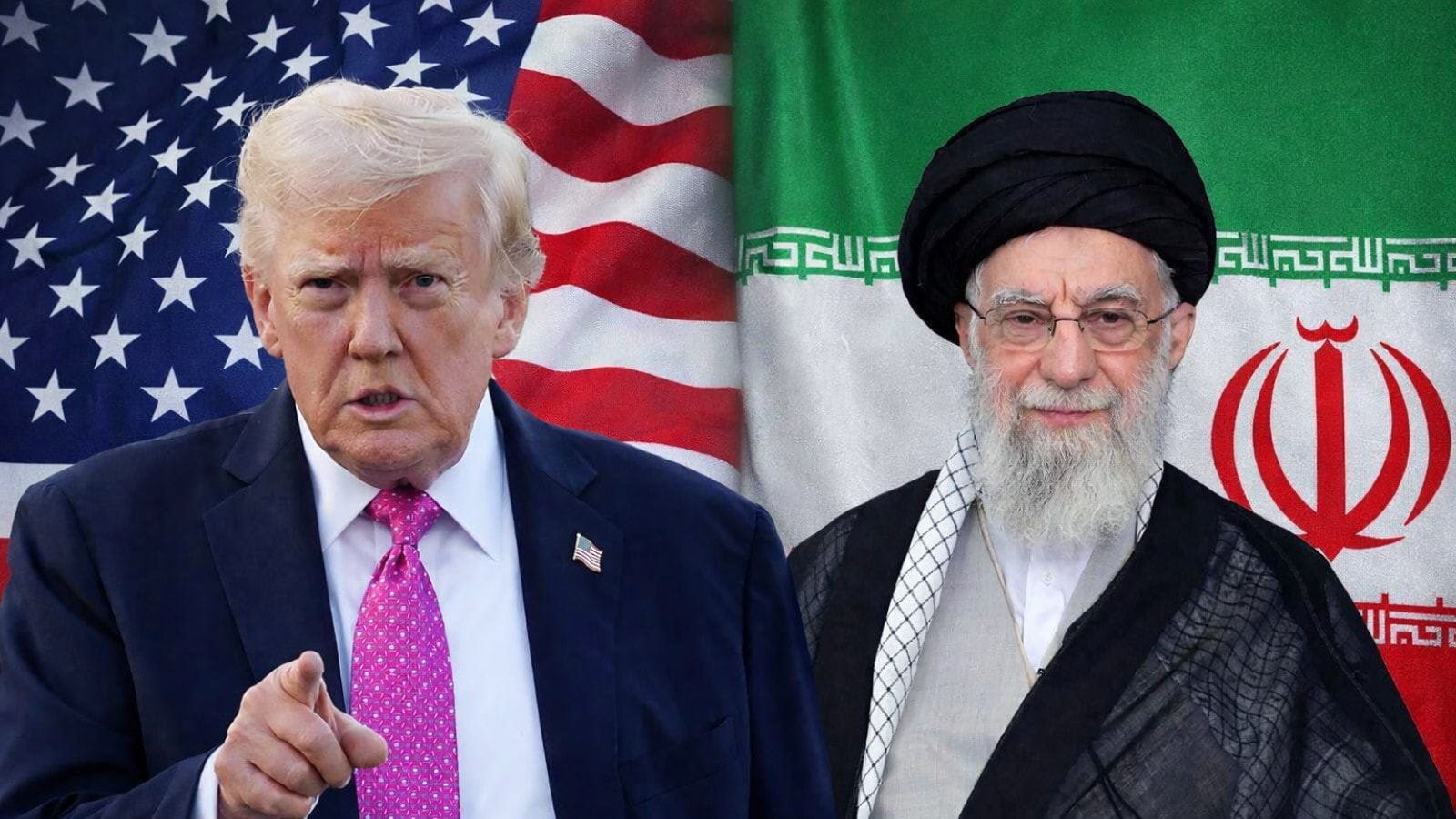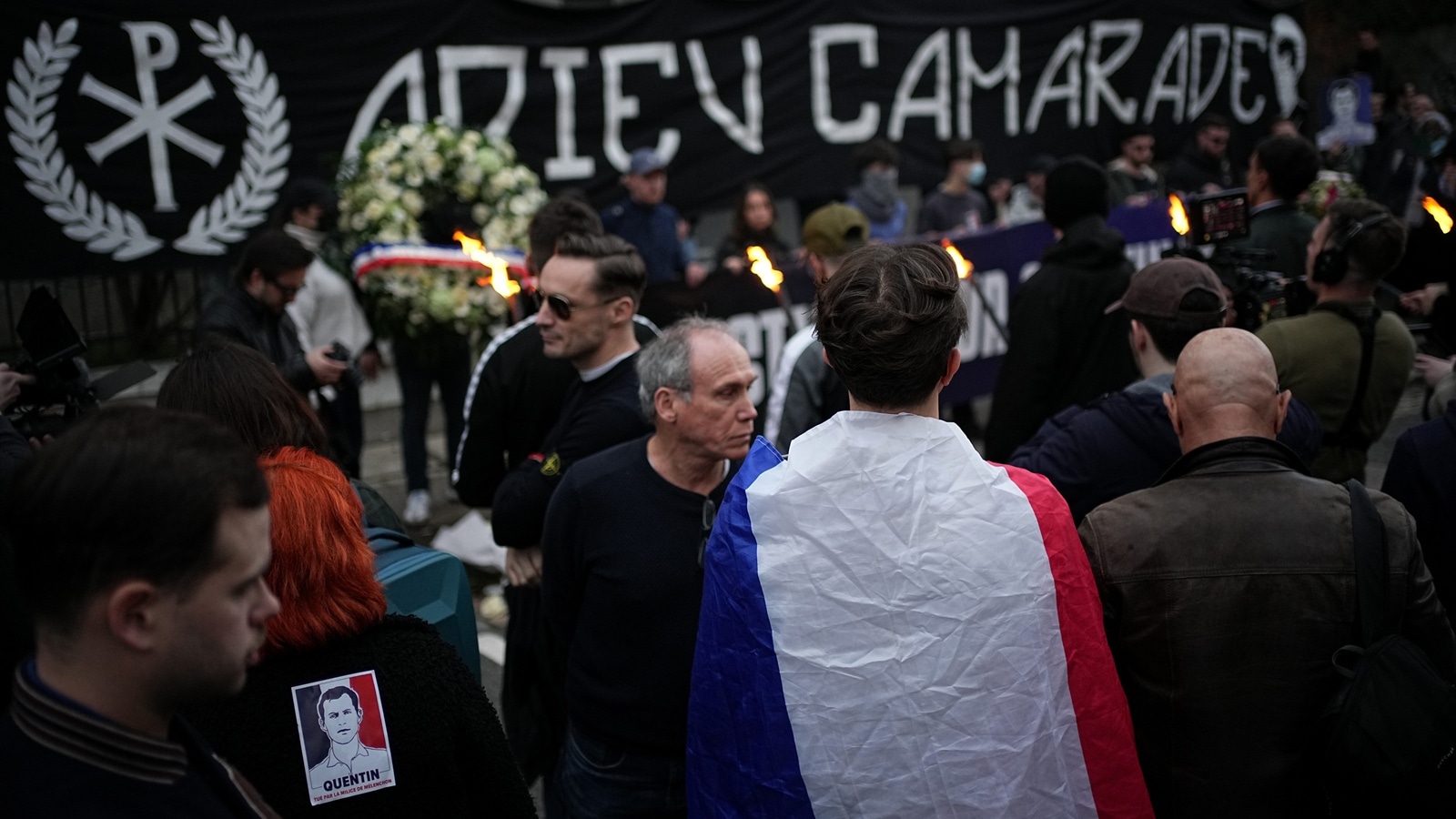
France isn't playing around. The French Foreign Ministry is officially summoning U.S. Ambassador Charles Kushner. This isn't just a standard diplomatic "hello." It's a formal, high-stakes rebuke triggered by comments Kushner made regarding the death of a French activist. When a host country calls in an ambassador like this, they’re sending a message that a line was crossed.
The tension centers on the tragic death of an activist and the subsequent American narrative that Paris finds offensive, inaccurate, or both. For those following the new era of Transatlantic relations, this move by the Quai d’Orsay—the French foreign office—signals that President Emmanuel Macron’s government won't let pointed rhetoric from the Trump administration's hand-picked envoy slide.
The Comments That Sparked a Diplomatic Firestorm
Charles Kushner isn't a career diplomat. He’s a real estate mogul and the father of Jared Kushner, which already makes his every move a lightning rod for scrutiny. Recently, Kushner weighed in on the death of a French activist in a way that the French government viewed as interference in its domestic affairs.
Diplomacy usually operates on a "stay in your lane" basis. When an ambassador starts critiquing how a local investigation is handled or suggests a specific political motive behind a tragedy, they're playing with fire. France claims Kushner’s remarks were not only misplaced but also factually shaky.
Summoning an ambassador is the diplomatic version of being called into the principal’s office. It’s meant to be uncomfortable. It’s a formal protest. In this case, France wants to make it clear that while the U.S. is an ally, that alliance doesn't grant the U.S. ambassador a license to stir the pot on sensitive internal issues.
Why the Activist Case Is So Sensitive for Paris
You have to understand the context of the activist’s death to see why France reacted so sharply. France has been grappling with intense internal debates over civil liberties, police conduct, and the right to protest. When an activist dies in a way that becomes a rallying cry for the opposition, the government is already on high alert.
If an American ambassador then enters that fray with public comments, it looks like Washington is taking sides against the French state. It’s a breach of protocol that feels like a gut punch to a sovereign nation.
What Kushner Actually Said
While the specific transcript of the private conversations might stay behind closed doors, the public gist was clear. Kushner reportedly questioned the transparency of the French investigation. He suggested that there might be more to the story than what the French authorities were letting on. To the French, this sounded like "conspiracy-baiting" from the highest level of the American mission.
It’s a classic case of a non-traditional diplomat ignoring the "unwritten rules" of the job. Career State Department officials usually use coded language. Kushner, coming from the world of New York real estate and high-stakes family politics, tends to be more blunt. That bluntness is now causing a massive headache for everyone involved.
The Charles Kushner Factor in U.S. France Relations
The appointment of Charles Kushner was always going to be controversial. His past legal issues and his family ties to Donald Trump made him a target for critics before he even landed in Paris.
For the French, dealing with Kushner is a balancing act. They need the U.S. for security, trade, and NATO cooperation. But they also have a deep-seated pride in their own Republican values and legal sovereignty.
- The Personal vs. The Political: Kushner represents a shift toward "personalized diplomacy" where the envoy's direct line to the White House is their primary asset.
- The Protocol Break: Traditional diplomats prioritize stability. Kushner’s style seems to prioritize the political agenda of the administration he serves, even if it ruffles local feathers.
- The French Response: By summoning him, France is testing how far they can push back without breaking the relationship entirely.
How a Formal Summoning Works
Don't mistake this for a casual coffee. When an ambassador is summoned, they are met by a high-ranking official—often the head of the regional department or even the Foreign Minister. The "convocation" is recorded.
The host country lays out exactly why they are upset. They don't mince words. The ambassador is expected to listen, perhaps offer a defense, and then report every single word back to their home capital. It is a "yellow card" in the world of international relations.
In this specific instance, the French want a retraction or at least an assurance that Kushner will stick to the script in the future. Will they get it? Probably not. The current U.S. administration isn't known for backing down or apologizing. That means we’re likely looking at a period of "cold" relations between the U.S. embassy in Paris and the French government.
The Bigger Picture of Transatlantic Tension
This isn't just about one activist or one ambassador. It's about a widening gap in how the U.S. and Europe view the world.
The U.S. is increasingly leaning into a more nationalist, direct approach to foreign policy. Europe, led by France and Germany, is trying to protect the old "rules-based order." When those two philosophies clash, you get incidents like this.
France has a history of standing up to the U.S. when it feels its "Grandeur" is being threatened. Think back to the Iraq War or the AUKUS submarine deal. Paris doesn't mind being the "difficult" ally if it means protecting its perceived sovereignty.
Impact on the Investigation
One major concern is that Kushner’s comments might actually hurt the investigation into the activist’s death. By politicizing the tragedy, it makes it harder for the French public to trust the eventual findings. If the government clears the authorities, critics will say they’re just trying to prove Kushner wrong. If they find fault, it looks like they gave in to American pressure. It's a lose-lose for the French judicial system.
What Happens Next for Kushner
Charles Kushner isn't going anywhere yet. He still has the full backing of the White House. However, his "social capital" in Paris is currently at zero. He’ll likely find that doors at various French ministries start closing. Information sharing might slow down. Invitations to high-level dinners might dry up.
Diplomacy is built on relationships. If the French government doesn't trust the messenger, they won't value the message.
If you're watching this unfold, don't expect a sudden apology. Expect more "strategic silence" from the U.S. side and more "stern reminders" from the French. This is the new normal.
To keep track of how this affects your interests—especially if you're involved in international business or policy—watch the tone of the upcoming G7 meetings. If Macron and the U.S. President avoid a direct photo op, you’ll know the Kushner "summoning" had a lasting sting.
Stay updated by following the official press releases from the French Foreign Ministry and the U.S. State Department’s daily briefings. The nuance in their wording will tell you if the "summoning" was a one-off venting session or the start of a deep freeze.