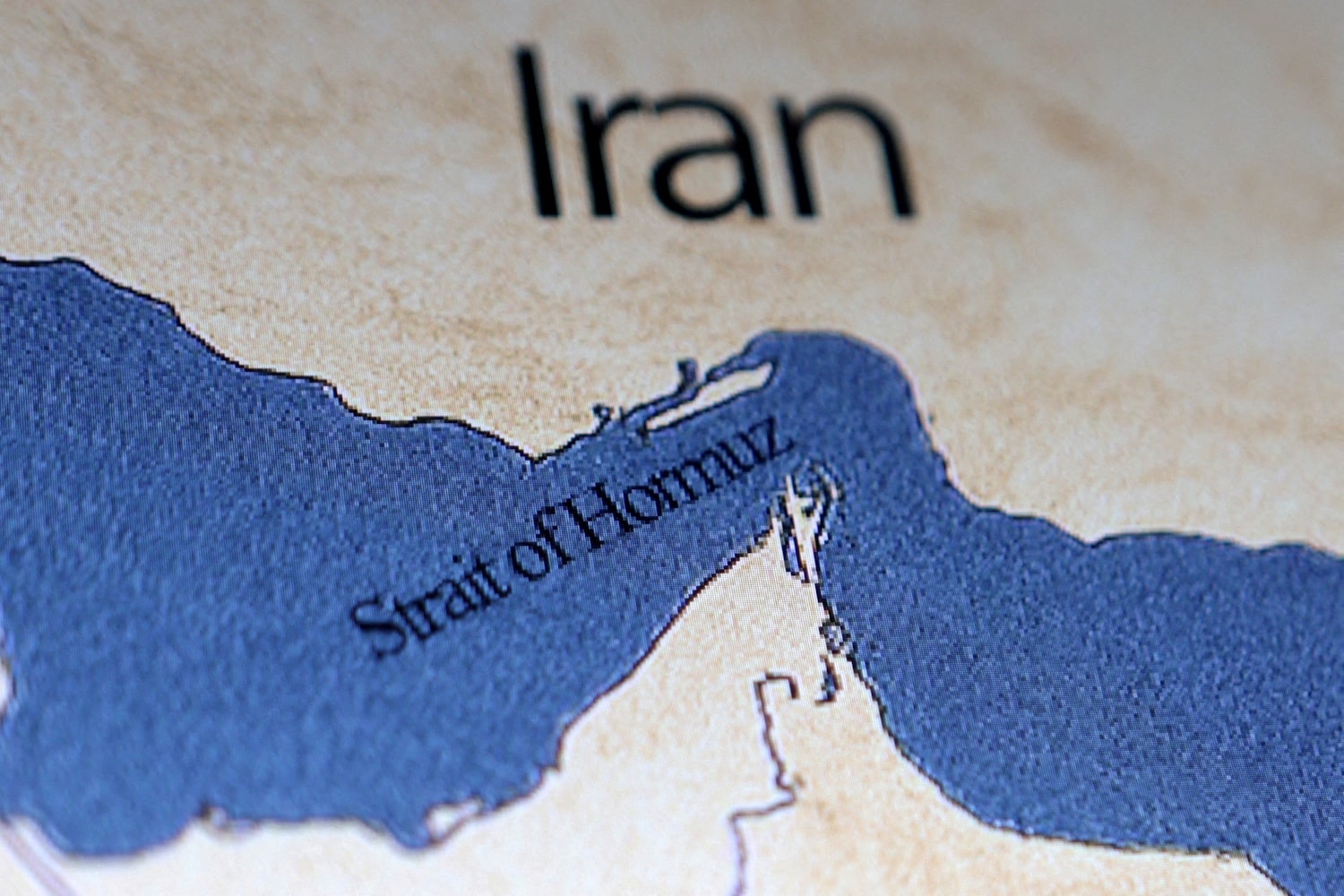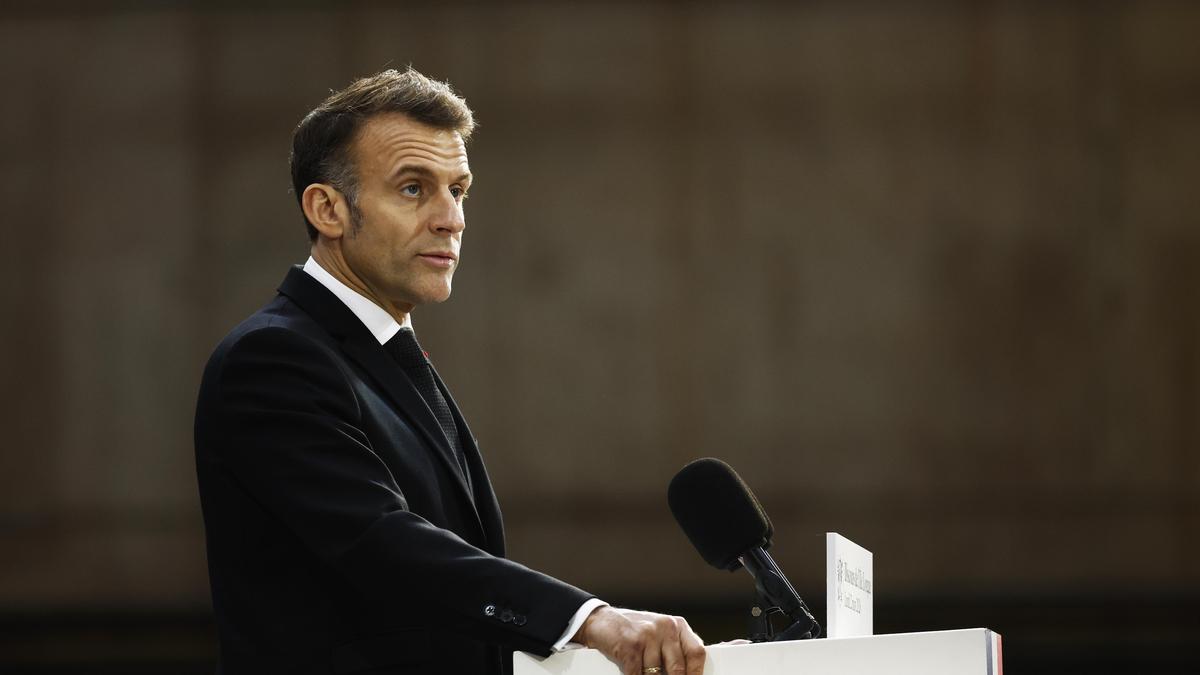
Emmanuel Macron just pulled the plug on a high-stakes NATO mission in the Baltic Sea to rush his crown jewel, the nuclear-powered Charles de Gaulle, back to the Mediterranean. If you're wondering why a single ship matters so much, look at the map. The Middle East isn't just "unstable" right now; it's on the verge of a total maritime blackout. With the Strait of Hormuz effectively closed and the Red Sea turning into a shooting gallery, France is scrambling to protect its neck.
This isn't just another routine patrol. It's a massive strategic pivot. The Charles de Gaulle was originally heading north to flex its muscles near Russia as part of the LA FAYETTE 26 mission. Instead, it's now steaming south at top speed. Macron isn't just sending a boat; he's trying to build a new coalition to keep global trade from choking to death.
The sudden pivot from the Baltic to the Middle East
The timing here is everything. Just a week ago, the carrier was making a historic stop in Malmö, Sweden, signaling a new era of NATO cooperation in the North. But the situation in the Middle East deteriorated so fast that Paris decided the Arctic could wait.
The immediate trigger? A direct hit on a British Royal Air Force base in Cyprus. When Iranian-made drones struck RAF Akrotiri, it wasn't just a blow to the UK; it was an attack on an EU partner. Macron didn't mince words in his televised address. He's already sent the frigate Languedoc and extra air defense units to Cyprus. The carrier is the heavy-duty follow-up.
It’ll take about ten days for the carrier strike group to reach the eastern Mediterranean. Once there, it brings 20 Rafale fighter jets and Hawkeye radar planes to the party. That's a lot of firepower for a region that’s already a powder keg.
Defending allies and economic interests
France has a lot of skin in the game. It’s not just about "peace" in the abstract. Paris has deep-seated defense agreements with Qatar, Kuwait, and the UAE. These aren't just pieces of paper. French Rafales are already flying over the UAE to protect the Al-Dhafra base after a drone strike hit a French hangar there on Sunday.
But the real fear is the economy. Macron was blunt about this:
"We have economic interests that must be protected, as oil, gas, and international trade are heavily affected by this war."
Roughly 20% of the world's oil and liquefied natural gas passes through the Strait of Hormuz. With that route blocked, energy prices are primed to explode. France sees itself as the "third way" power—willing to use force but critical of how the US and Israel are handling things.
Macron's delicate balancing act
Here is where it gets complicated. Macron is clearly positioning France as a defender of "international law." He openly criticized the US and Israeli strikes on Iran, calling them operations conducted "outside the scope of international law."
Yet, he also blames Iran for the mess. He pointed to Tehran’s nuclear program and its support for proxies like Hezbollah and the Houthis as the root cause. He's trying to support his allies without endorsing the full-scale military campaign led by Washington. It’s a tightrope walk that could easily fail.
What this means for the Mediterranean power balance
The arrival of the Charles de Gaulle changes the math for everyone in the region. France isn't alone in this build-up. Greece is sending frigates and F-16s to Cyprus. Britain has the destroyer HMS Dragon in position.
We're looking at a massive concentration of European naval power in a very small space. The goal is to create a "layered defense."
- Surface protection: Frigates like the Languedoc and Chevalier Paul handle incoming missiles.
- Air superiority: Rafales provide a 24/7 umbrella over allied assets and shipping lanes.
- Electronic warfare: Ships like the Greek Psara are focused specifically on neutralizing the drone swarms that have become the weapon of choice for regional proxies.
The risks of a single-carrier navy
There is a glaring weakness in France's plan. They only have one carrier.
If the Charles de Gaulle needs maintenance or, heaven forbid, takes a hit, France's ability to project power evaporates instantly. By pulling it from the North Atlantic, Macron has left a gap in NATO's northern flank. It shows just how desperate the situation in the Mediterranean has become.
France is also dealing with the logistics of its own citizens. Two evacuation flights have already landed in Paris, and more are expected. Security at home is being ramped up. This isn't just a "foreign" war anymore; the ripples are hitting French soil.
What to watch for next
Don't expect the carrier to just sit there. Macron is pushing for a coalition to "restore and secure" traffic in the Suez Canal and the Red Sea. This means we might see French jets engaging targets if shipping is threatened.
If you're tracking the situation, keep an eye on these indicators:
- Suez Canal traffic: If the French-led coalition starts escorting tankers, it could stabilize oil prices.
- Cyprus air defense: Any further strikes on Akrotiri will almost certainly trigger a direct French response.
- The Lebanon border: Macron warned Israel against a ground operation in Lebanon. If that happens, France's 700 UNIFIL troops will be caught in the middle of a war zone.
Paris is betting that a show of force can prevent a total regional collapse. It's a high-stakes gamble with France's most expensive military asset as the ante. Keep your eyes on the eastern Med—the next two weeks will decide if this deployment leads to de-escalation or drags Europe deeper into the fire.