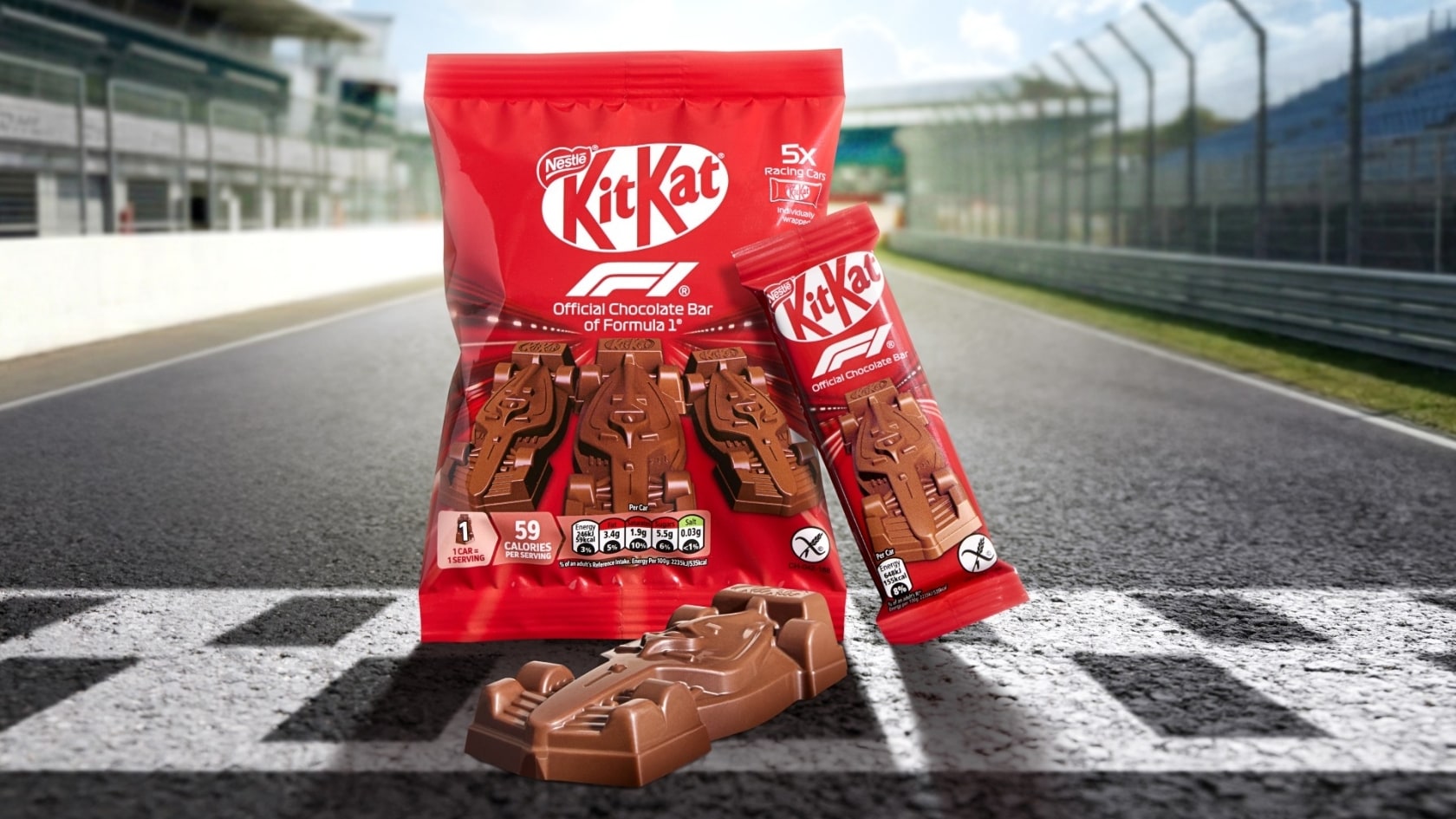
Somewhere between the rolling hills of central Italy and the distribution hubs of Poland, 12 tons of chocolate vanished into thin air. This was not a simple case of shoplifting or a warehouse clerical error. Professional hijackers intercepted a shipment containing 413,793 units of the new Formula 1-themed KitKat range—a high-stakes partnership Nestlé launched to celebrate the sport's 75th anniversary. The truck, the driver, and nearly half a million car-shaped chocolate bars remain missing as of late March 2026.
While the brand’s public relations team opted for a lighthearted response, quipping that thieves took the "have a break" slogan too literally, the underlying mechanics of this heist reveal a much darker trend in global logistics. This wasn't just a grab for sweets; it was a surgical strike on a high-density, easily liquidated commodity. Learn more on a related subject: this related article.
The Sophistication of Modern Freight Hijacking
Gone are the days of desperate individuals boosting a few crates from the back of an idling truck. Today’s cargo criminals operate with the precision of a mid-sized logistics firm. To successfully "disappear" a 12-ton shipment, a criminal enterprise must manage a complex sequence of intelligence gathering, forgery, and rapid-fire distribution.
Industry analysts point toward "strategic theft" as the likely culprit. In these scenarios, criminals do not necessarily use force. Instead, they use identity theft. They pose as legitimate motor carriers, utilizing stolen credentials of established trucking companies with clean safety records. By the time the real distributor realizes the "driver" who picked up the load from the Italian factory was an imposter, the cargo is already three borders away. Additional analysis by Reuters Business explores comparable views on the subject.
The route from Italy to Poland is a preferred corridor for these syndicates. It offers multiple escape routes through the Alps and into Eastern European markets where tracking becomes exponentially more difficult. The sheer volume of the stolen goods—equivalent to the weight of eight actual Formula 1 cars—suggests a pre-planned storage solution was already in place before the truck even left the factory gates.
Why F1 KitKats Became a Prime Target
You might wonder why anyone would risk decades in prison for chocolate. The answer lies in the unique "density of value" presented by the Formula 1 partnership. These aren't standard 50-cent bars. As limited-edition merchandise shaped like racing cars and tied to a global sporting event, they carry a premium.
- Ease of Liquidation: Unlike stolen electronics, which have serial numbers that can be bricked remotely, chocolate is "dumb" cargo. Once it is out of the wrapper, it is untraceable.
- High Demand: The F1 branding makes these bars highly collectible. Criminals don't need to sell them in grocery stores; they can move them through weekend markets, independent convenience stores, or online marketplaces like Telegram and eBay.
- The Easter Window: The timing of this heist, occurring just days before the Easter holiday, was no accident. Demand for chocolate peaks in late March, ensuring that the thieves could flip the entire 12-ton inventory within 72 hours.
Nestlé has countered by noting that each bar carries a batch code that can be scanned by consumers to verify its origin. It is a noble attempt at a digital deterrent, but in the reality of the black market, a discounted KitKat rarely triggers a moral crisis for the buyer. By the time a consumer scans a code and reports it, the seller is long gone.
The Economic Shadow of Supply Chain Fragility
The KitKat heist is a symptom of a broader crisis. Cargo theft losses surged to nearly $725 million in 2025, a staggering 60% increase over the previous year. What changed wasn't the number of thefts, but the selectivity of the thieves. They are no longer stealing whatever is easiest; they are stealing what is most profitable.
Food and beverage theft spiked 47% last year. While the public focuses on high-tech heists involving semiconductors or luxury fashion, the "low-tech" world of consumer packaged goods has become a gold mine for organized crime. Food is consumed, making the evidence disappear literally.
Furthermore, the lack of secure truck parking across Europe plays directly into the hands of hijackers. Drivers are often forced to take mandatory rest breaks in unsecured laybys or industrial estates. A "slash-and-grab" team can evaluate a trailer’s contents in seconds by cutting a small hole in the tarp. If they find 400,000 units of a hyped marketing collaboration, they take the whole rig.
The Fallacy of the Victimless Crime
The jovial tone of social media commentary regarding the heist—joking about "chocolate laundering" or building a chocolate race track—ignores the systemic damage. Every successful heist like this drives up insurance premiums for carriers, costs that are inevitably passed down to the consumer at the checkout counter.
Moreover, there is the human cost. While no injuries were reported in this specific incident, the rise in "theft by deception" often involves the coercion of legitimate drivers or the infiltration of logistics firms. It creates a climate of paranoia in an industry already struggling with a massive labor shortage.
Nestlé's decision to go public with the theft was a strategic move to "raise awareness," but it also serves as a warning to other global brands. If you are going to launch a high-profile, high-value product, your marketing budget must be matched by your security spend. A 12-ton loss isn't just a "tough break"; it's a loud signal that the supply chain is being outpaced by the very people trying to dismantle it.
Ask your logistics provider for a full audit of their sub-contracting protocols before your next high-value shipment hits the road.