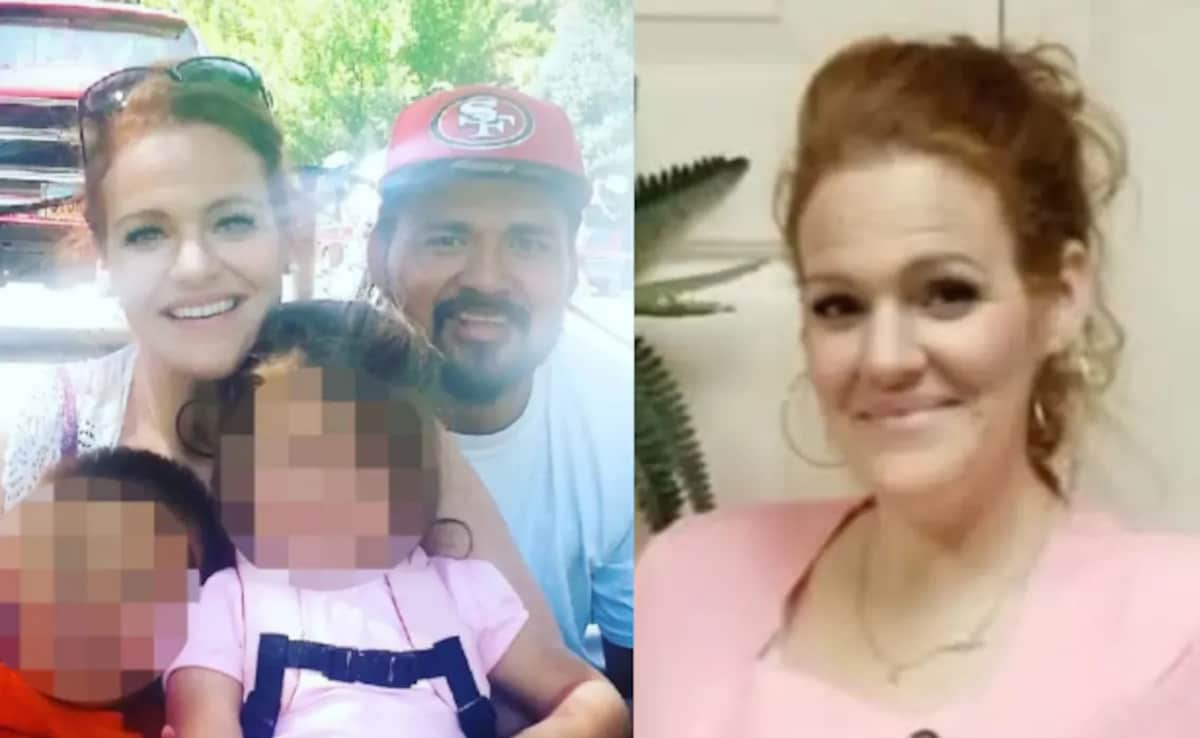
A Florida mother is facing felony charges after allegedly kidnapping her 11-year-old son's bully to force an apology. It sounds like a script from a dark suburban thriller. But for anyone raising a child with profound special needs, the story hits a raw, uncomfortable nerve. While the law is black and white about kidnapping, the gray area of parental burnout and school system failure is where the real story lives.
Police in Valrico, Florida, arrested 30-year-old Kelila Inman after a chaotic series of events that began at a local park. According to the Hillsborough County Sheriff’s Office, Inman’s son, who has autism, was being teased by a group of older kids. Instead of calling the school or the police, Inman allegedly took matters into her own hands. She reportedly grabbed one of the boys—a 13-year-old—and forced him into her car.
She didn't want money. She didn't want to hurt him. She wanted him to apologize to her son.
The Incident That Crossed Every Legal Line
The details from the sheriff's report are harrowing for everyone involved. Witnesses claim Inman approached the group of teenagers after learning they were targeting her son. In a moment of pure, unchecked adrenaline, she allegedly physically moved the 13-year-old victim into her vehicle and drove away.
During the drive, Inman reportedly lectured the boy on the impact of his words. She demanded he say he was sorry. This wasn't a quiet conversation in a principal's office. This was a forced confinement. The boy’s friends called 911 immediately. Within minutes, deputies intercepted the vehicle.
Inman now faces a charge of kidnapping and false imprisonment. These aren't "slap on the wrist" offenses. In Florida, kidnapping is a first-degree felony that can carry a life sentence. The legal system doesn't care if your heart was in the right place if your hands were on someone else's child.
When Bullying Hits a Special Needs Breaking Point
We need to talk about why a parent snaps like this. It's not an excuse, but it's a context most news outlets ignore. Parents of children with autism often live in a state of hyper-vigilance. Their kids are frequent targets because they might not process social cues or defend themselves the same way neurotypical kids do.
According to the National Autism Association, nearly 65% of children with autism have been bullied. These aren't just one-off jests. It’s often systematic, daily harassment. When a parent sees their child—who already struggles to navigate a confusing world—being pushed around, the "mama bear" instinct doesn't just kick in. It explodes.
I've talked to dozens of parents who feel the school systems have checked out. They file reports. They attend IEP meetings. They talk to counselors. And yet, the bullying continues. Inman’s alleged actions were illegal and dangerous, but they were also a symptom of a parent who felt she had no other way to protect her child’s dignity.
The Problem With Zero Tolerance Policies
Most schools have "zero tolerance" for bullying, but in practice, that often means both kids get suspended or nothing happens because there's "no proof." For a child with autism, being suspended for a fight they didn't start is a double trauma.
- The bully learns how to hide the behavior.
- The victim learns that the system won't protect them.
- The parent feels completely isolated.
Inman allegedly skipped the system entirely because she likely believed the system was broken. She was wrong to take that boy, but the desperation that led to that moment is something thousands of special needs parents recognize.
The Legal Reality of False Imprisonment
You might think, "She just drove him around the block to scare him." Legally, that's irrelevant. As soon as you move a person against their will or prevent them from leaving a space, you've entered the realm of serious felony crime.
In Florida, the prosecution only needs to prove that the confinement was "forcible, secret, or by threat" and done with the intent to commit or facilitate a felony, inflict bodily harm, or terrorize the victim. Even if Inman’s goal was a simple apology, the act of forcing a minor into a car meets the threshold for kidnapping.
What Happens to the Son Now
This is the most tragic part of the Florida case. The 11-year-old boy, who already struggles with the social complexities of autism, has now lost his primary caregiver to the legal system. If Inman is convicted, the very person who was trying to protect him won't be there to help him navigate the fallout.
This is a cautionary tale about "vigilante parenting." When you break the law to protect your child, you often end up leaving them more vulnerable than they were before. The boy is now at the center of a media firestorm, his mother is in jail, and the bullying issue remains fundamentally unsolved.
Practical Steps for Parents Facing Bullying
If your child is being targeted and you feel like you're about to snap, stop. Taking physical action against a minor is a guaranteed way to lose your rights and your child.
- Document everything. Don't just tell the teacher. Email the principal, the district superintendent, and the school board. Create a paper trail that is impossible to ignore.
- Involve Law Enforcement early. If the bullying involves physical assault, threats of violence, or sexual harassment, it’s a police matter, not just a school matter. File a report.
- Seek an Advocate. There are professional special education advocates who know how to force a school’s hand legally. They can demand a change in the child's environment or a one-on-one aide.
- Check the Laws. Familiarize yourself with your state's anti-bullying statutes. Most states have specific protections for students with disabilities under federal laws like IDEA and Section 504.
The Florida kidnapping case is a mess. It’s a mess of failed school intervention, parental desperation, and a legal system that has to prioritize the safety of all children—even the ones being bullies.
Don't let your frustration turn into a felony. If the school won't act, move the child or sue the district. Both are expensive and exhausting, but neither will land you in a cell. Keep the pressure on the adults in charge rather than taking it out on the kids in the park. Your child needs you at home, not behind glass in a visitor's room.